Tamil Nadu Chief Minister C Joseph Vijay announced on 24 August the extension of free public transport in the state under the Vetri Payanam scheme and the benefit will be available to all women and transgender people on additional types of government operated buses.
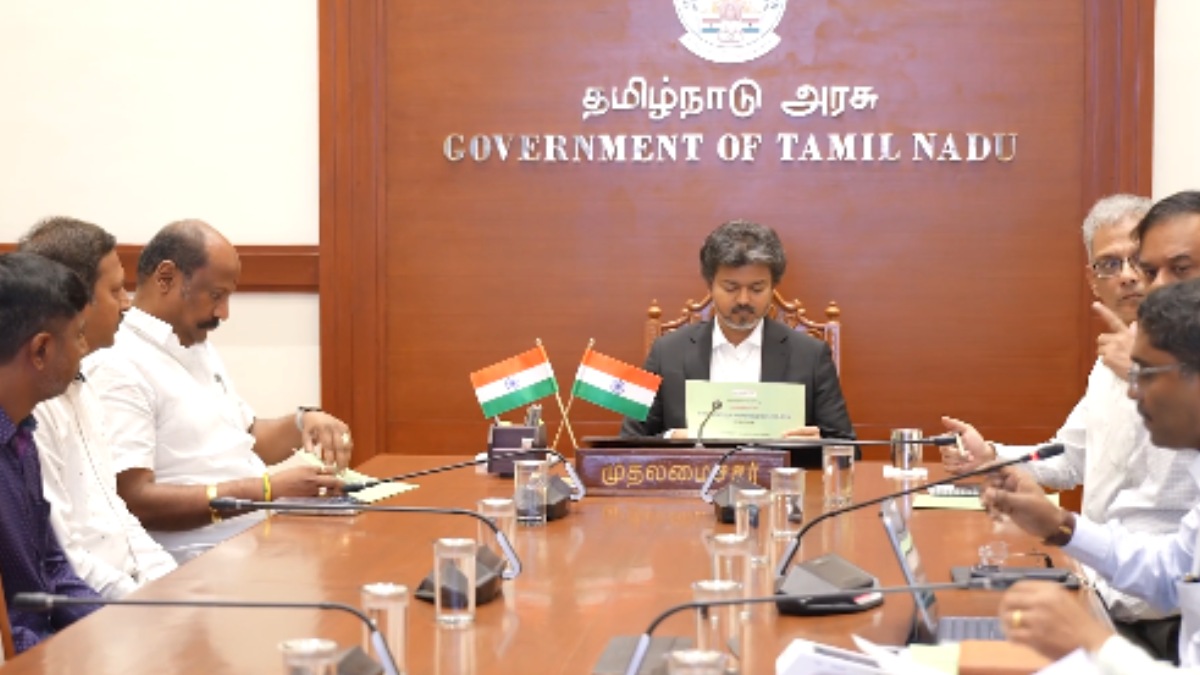
The move is part of welfare measures made by the state government in Tamil Nadu Legislative Assembly.
The expanded scheme will provide for greater access to public transportation in metropolitan and urban areas. Women and transgender people will be able to travel free of charge on Express, Limited Stop Service (LSS) and Deluxe government buses in cities and urban centres.
The benefit will be extended to ordinary-fare government buses serving mofussil and hilly areas as well as inter-district services. This expands on the earlier arrangement where the free-travel facility was mainly associated with ordinary-fare city buses.
The October 2 implementation date is the Gandhi Jayanti, the birthday of Mahatma Gandhi. The expanded facility is not restricted in income or the number of trips, the government said. So eligible beneficiaries can take the government bus service without a ceiling on how many trips they can make.
The scheme is part of the wider set of measures made by the Vijay government to improve women’s welfare, household support and public transportation. Along with Vetri Payanam, the government has also announced the Annapoorani Super 6 programme, under which three free LPG cylinders per year are planned for eligible women heads of households from Pongal in January 2027. The two programmes address different aspects of household expenses, the bus programme focusing on transportation access and the LPG initiative to lower cooking-fuel costs.
In addition, the free bus travel is a necessity for commuters to work, to study and, to the point that they can take the bus to their workplace, the health and education institutions, hospitals, markets and other major places. The government says the idea is that by extending the benefit to other types of buses, they are going to enhance mobility by providing more than the routes and services covered for the first line of bus and services. In particular, the introduction of Express, LSS and Deluxe services in urban and metropolitan areas expands the range of government buses which can be reached without a fare by the beneficiaries from the government.
Transport authorities are also developing ways to help passengers identify buses covered under the expanded scheme. There have been suggestions in recent years that digital signboards on eligible buses in metropolitan areas will carry "Vetri Payanam" and buses in other cities as well which will include signage telling women they can travel free. Further visual identification should be applied to covered buses, officials have indicated. It was said that thousands of buses in Chennai and other districts are expected to be under the expanded programme.
The financial impact of the expansion will be closely watched. The estimated annual expenditure for Vetri Payanam is around ₹6,000 crore according to recent government-linked reporting. The cost is to be explained as a product of the wider range of bus services covered by the programme and the cost of the reimbursement for fare-free travel.
The new programme also changes the name and scope of Tamil Nadu's existing free bus travel scheme. This scheme was formerly known as Magalir Vidiyal Payanam and was introduced in 2021 and provided free travel to women on ordinary fare city buses. The present government has renamed the service Vetri Payanam and recent bus signage also uses the shorter term Magalir Payanam.
Chief Minister Joseph Vijay will launch the “Magalir Vetri Payanam” scheme on October 2, enabling women to travel free of charge on express, deluxe and suburban ordinary buses operating in cities and urban areas. pic.twitter.com/2I9BtdFIWv
— Vignesh Theni (@Vignesh_twitz) September 21, 2026
When October 2 approaches, transport departments will complete preparations for identifying eligible services and implementing the fare-free travel system. For passengers, the key change will be free travel across a wider range of government bus categories in the urban areas and a wider range of ordinary-fare services in the mofussil and hilly regions. The scheme is therefore going to be an important part of Tamil Nadu's public transport welfare measures by October 2, 2026.