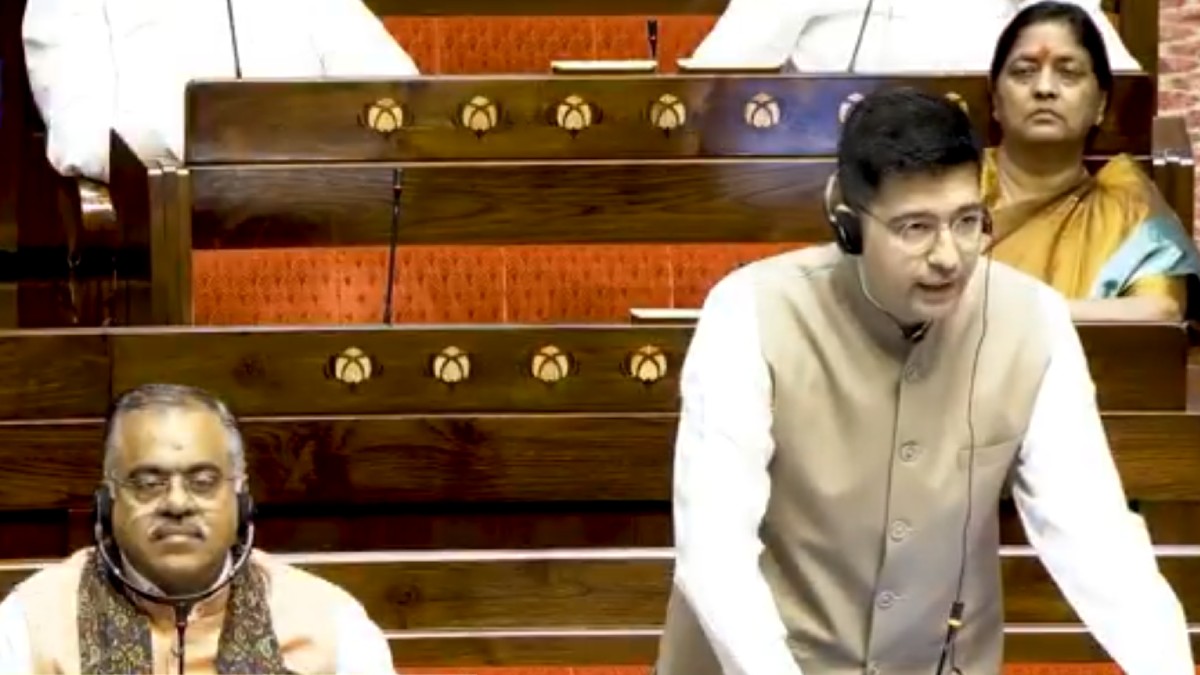
A debate on transparency of India's healthcare system came to light in Parliament after MP Raghav Chadha raised the issue of referral commissions, or “cut money” in the words of some doctors, between diagnostic centres or pathology laboratories. Chadha told Parliament in the Rajya Sabha yesterday that the scheme adds to patients' medical costs and creates incentives for unnecessary diagnostic tests.
As Chadha described in a recent interview, referral commissions in some diagnostic centres are classified as "marketing expenses." These commissions are paid to doctors as compensation for directing patients to specific laboratories or imaging centres, and the additional cost is passed on to the patient by charging them through inflated medical bills.
"Diagnostic centres call it ‘marketing expense’ and doctors call it ‘referral commission.’ It’s all added to the patient’s hospital bill. A silent transaction that isn’t about your treatment, it’s about who referred you,” Chadha said in Parliament.
Hidden Costs For Patients
The MP said that patients are often unaware that the price they pay for blood tests, scans, or other diagnostic procedures may include referral commissions rather than actual costs of the medical service.
Referral commissions, Chadha said, can account for 15% to 20% of the diagnostic cost and so they’re an added burden on families already footing the bill for healthcare. Chadha believes that the practice creates a system where patients are unknowingly paying much higher prices just because they were referred to a specific laboratory.
As an example, he cited cases where identical diagnostic tests apparently cost ₹15,000 at one laboratory while available for around ₹8,000 elsewhere, with the difference supposedly due to referral-based pricing rather than better quality or advanced technology.
Concerns Over Unnecessary Tests
In addition to the financial impact, Chadha said commission-based referrals can lead to unnecessary diagnostic studies. He also warned that when financial incentives are a factor in medical decision-making, patients risk going through tests that are not clinically necessary.
Medical ethics professionals have long warned that unnecessary investigations can increase healthcare costs, delay treatment decisions, and put patients at risk for unnecessary procedures. Chadha said healthcare decisions should be guided solely by medical necessity rather than commercial incentives.
Existing Regulations Already Ban The Practice
The issue is not new from a regulatory perspective. India has had professional conduct rules in place since 2002 that prohibit doctors from accepting commissions, gifts, or financial incentives in exchange for referring patients to diagnostic centres, pharmacies, or hospitals.
But a violation of these ethical guidelines may result in a doctor's licence suspension based on the severity of the misconduct to medical regulatory authorities.
Even in spite of this, Chadha maintained that enforcement is still weak and patients continue to bear the financial consequences of hidden referral arrangements.
Call For Greater Transparency
The MP urged policymakers and healthcare regulators to improve transparency in the diagnostic ecosystem. Patients should have clear information about diagnostic pricing and be able to pick accredited laboratories without any financial influence on medical advice, he said.
In Parliament today, I spoke on the “cut money” arrangement between some doctors and diagnostic centres/ pathology labs.
— Raghav Chadha (@raghav_chadha) August 6, 2026
Diagnostic centres call it "marketing expense." Doctors call it "referral commission." All gets added to Patient's hospital bill.
A silent transaction that… pic.twitter.com/Fi2CCfyGfc
Healthcare professionals have often called for standardized pricing, public disclosure of referral relationships, and more robust monitoring in order to create trust between doctors and patients.
Chadha’s intervention has made for a renewed discussion about the ethics of medical practice and the commercial challenges in India’s rapidly growing healthcare industry. As diagnostic services find themselves increasingly important in modern medicine, the debate is likely to be one of patient welfare being the key.
The discussion also brings in patient choice from the perspective of patient education. Comparison of prices, second opinions when needed, and understanding why specific tests should be recommended can help patients make better decisions and help to hold medical providers accountable in healthcare and the medical system in general to the best of our ability in the world as a whole.