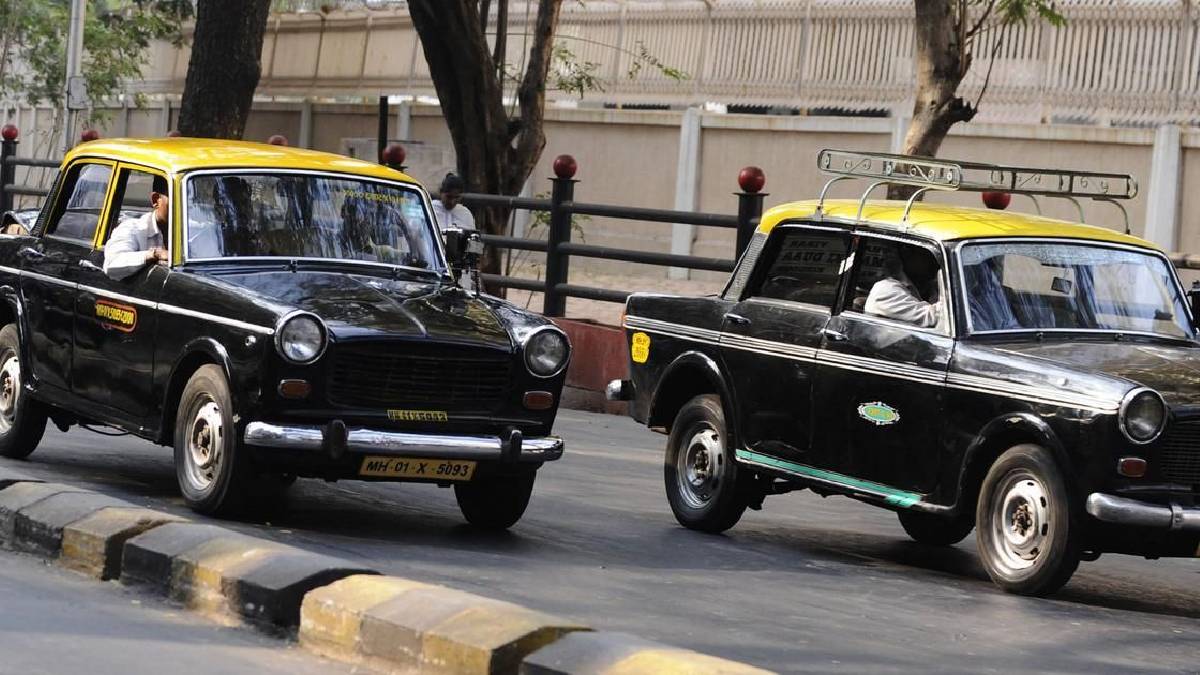
Hundreds of auto-rickshaw and taxi drivers in Mumbai are enrolling in intensive spoken Marathi courses as they prepare to meet the August 15 deadline for obtaining the state's Marathi language proficiency certification.
The initiative comes as drivers are in a position to comply with the Maharashtra government's language proficiency requirement to ensure that public transport operators can communicate effectively with passengers in Marathi, the state's official language.
There is a significant increase in enrolments at training centres in Mumbai, and most drivers have attended short-duration crash classes to develop conversational Marathi. The classes are designed for practical communication, including greetings, giving directions, understanding passenger requests, fare-related conversations, and handling day-to-day interactions.
Many of the participants are drivers who came to Mumbai from other states and have been working in the city’s transport sector for years. Although many already understand basic Marathi through daily exchanges, they are now asking for formal guidance to hone their speaking skills and meet the certification requirements.
Driving unions and transport organizations have advised their members to complete the certification process prior to the deadline so as to avoid any potential compliance issues. Some organizations have also collaborated with language institutes to arrange inexpensive or free training sessions for drivers.
Supporters of the policy say knowledge of Marathi helps improve the ability of drivers to communicate with commuters and to better assist passengers, especially senior citizens and those who primarily communicate in Marathi, while maintaining quality public service standards. Familiarity with the local language allows drivers to assist more effectively.
But driver organizations have expressed concern over the short length of time available for certification for drivers who are not familiar with the language, and the lack of training options and certification processes that are in place to ensure that drivers are not unfairly disadvantaged.
Mumbai's public transport system is also dependent on thousands of auto-rickshaw and taxi drivers who serve millions of commuters every day. In one of India's busiest metropolitan cities, better language skills will improve customer service and reduce communication barriers.
The state government has maintained that the language proficiency requirement is intended to improve public interaction and service delivery, not to impede transport workers. Officials have asked drivers to complete certification before the allotted time frame.
As the August 15 deadline approaches, spoken Marathi classes are seeing a lot of demand, so many drivers are working long hours and taking language classes to meet the new requirement. The next few weeks will see even greater demand for certification as operators remain committed to completing the certification process while keeping services uninterrupted throughout Mumbai.