Mumbai commuters will have to pay slightly more for autorickshaw and taxi journeys starting from September 1, as new fares will be mandatory across the Mumbai Metropolitan Region (MMR). The minimum autorickshaw fare has been increased to ₹27 and black-and-yellow taxis have been fixed at ₹33.
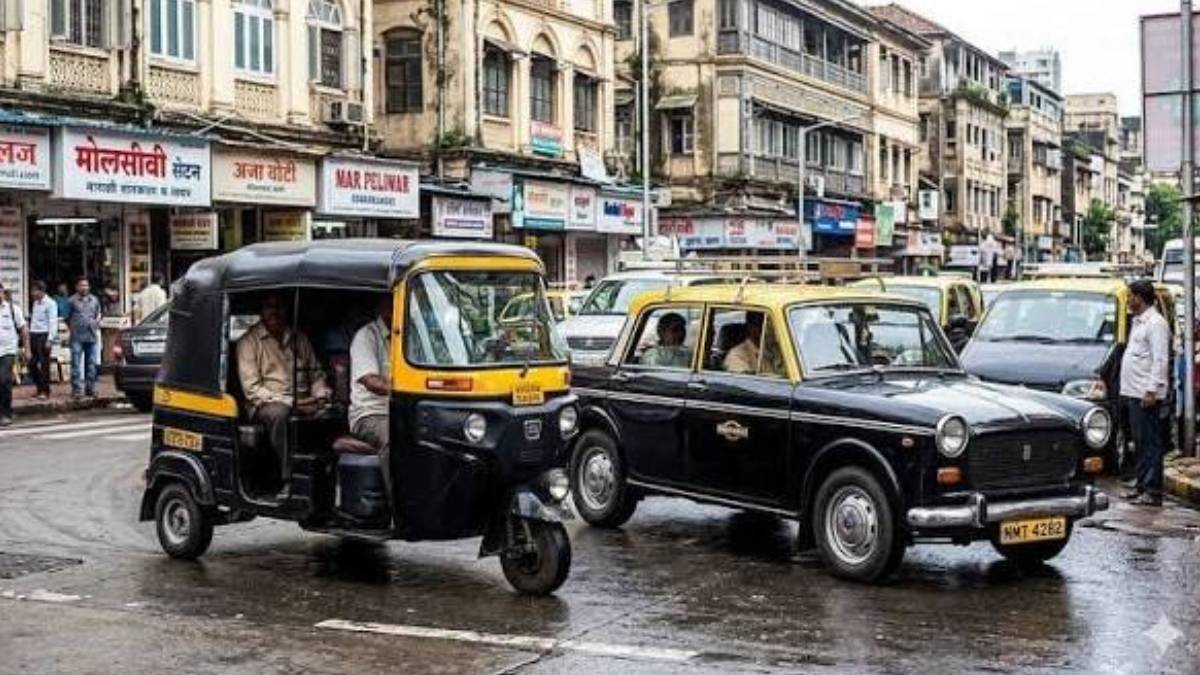
The increase is expected to affect a large number of daily commuters who depend on autos and taxis for short-distance travel as well as for first- and last-mile connectivity to railway stations, metro stations, offices, markets and residential areas.
According to the new fare structure, passengers travelling by autorickshaw will pay a minimum of ₹27, instead of the earlier minimum of ₹26. The minimum fare for black-and-yellow taxis has also increased from ₹31 to ₹33. The minimum fare is for the first 1.5 km, after which passengers are charged as per km distance.
The fare change comes at a time of increasing operating costs for auto and taxi drivers, especially due to the recent increase in CNG prices in the Mumbai Metropolitan Region. The majority of the city's autorickshaws and taxis are CNG-based and hence fuel prices will be a prime factor in operating costs.
The revised rates are applicable throughout the MMR, covering major urban areas and surrounding regions connected to Mumbai’s extensive transport network. So Mumbai commuters travelling from Mumbai to the surrounding areas will also be informed of the new fares when they use metered autorickshaws and taxis.
For passengers, the increase may seem relatively small on an individual journey. But for people who use autos or taxis multiple times a week, especially for commuting to and from railway and metro stations, even a ₹1 or ₹2 increase per trip can add to monthly transportation expenses.
The authorities have also provided a transition period for operators to update their vehicle meters according to the new fare structure. Auto-rickshaw and taxi drivers will have time to complete meter recalibration before enforcement of the revised settings becomes stricter.
The hike also underscores the perennial challenge of balancing the interests of commuters and public transport operators. While passengers are generally happy with less expensive fares, the drivers are having to pay for fuel, vehicle maintenance, insurance, repairs and other operational costs. Frequent fare changes are therefore necessary so that the metered transport service is viable for operators.
Mumbai’s autorickshaws and black-and-yellow taxis still contribute to the city’s transportation system despite a huge expansion of metro services and app-based cab platforms. Traditional metered autos and taxis remain an important option for many commuters, especially for short distances to reach areas that are not directly served by trains and metros.
The new fare structure will therefore be closely watched by commuters and transport operators alike. Passengers are asked to check that meters are calibrated and that fares are charged according to the officially revised structure.
With the new rates coming into force from September 1, Mumbai’s daily travel costs are likely to rise marginally for auto and taxi users. The main change is that autorickshaw passengers will now be charged at least ₹27, while black-and-yellow taxi passengers will be charged ₹33 for the first 1.5 km across the MMR.