A crane collapsed on houses and railway facilities Friday morning in Mumbai’s Kurla East area, injuring around eight to ten people.
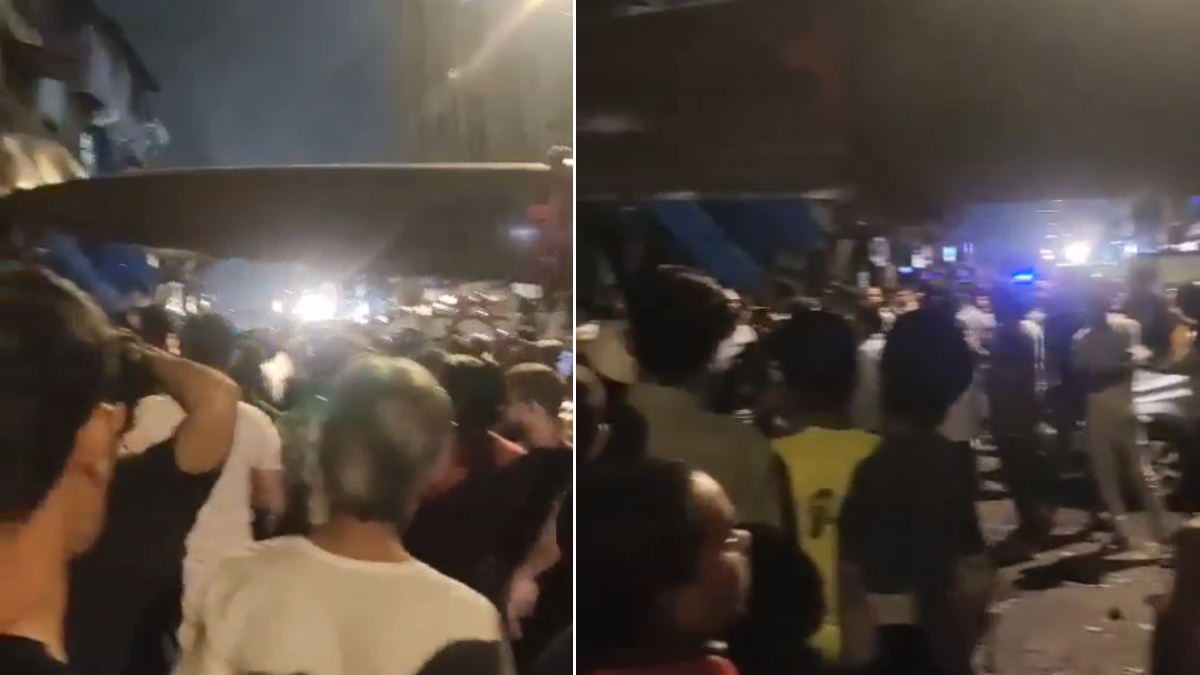
The accident took place at 2:40 a.m. in Samrat Ashok Nagar in a demolition drive organized by the Mumbai Metropolitan Region Development Authority, MMRDA.
According to the information available, workers were using the crane while lifting an excavator when the heavy machine lost balance and toppled.
The crane also fell into some houses and vehicles in the district and damaged some structures and a wall. It also came into contact with overhead railway wires.
The crane fell in a densely populated area in the early morning hours, residents said.
The injured people were taken to Sion Hospital and Kurla Bhabha Hospital for treatment. All the injured people were said to be stable and no deaths were reported after the accident.
The incident also caused railway infrastructure to suffer in the area.
How did the Crane Accident happen in Kurla?
The accident occurred when workers were doing demolition work in Samrat Ashok Nagar.
Workers were using the crane to lift an excavator when the crane collapsed. The machine fell onto nearby houses, vehicles and a wall before touching overhead railway wires.
The reason why the crane lost balance is still not known.
The investigation is now beginning to understand what went wrong during the demolition. Equipment, the way to lift the excavator and safety precautions at the site are all under investigation.
The location of the accident was noted as residential buildings and railway infrastructure were located in the vicinity of the demolition area.
Residents of such an area were shaken by the incident. A crane falling in the middle of the night could have been a much bigger tragedy because there were houses and railway facilities close by.
The accident also damaged railway wires. Goods trains were affected but passenger trains were operating as usual, the government said.
Now the railway infrastructure will have to be assessed and safety measures must be taken before demolition work is resumed.
The incident also highlights safety issues in Mumbai for infrastructure and demolition work.
MMRDA projects have been plagued by setbacks in the last few months including two fatal collapses in May and another last week. And such incidents have triggered calls for better safety measures at construction and demolition sites.
#BREAKING An MMRDA crane fell on the Overhead Equipment between Kurla and Trombay. Central Railway confirmed train movements remain unaffected as the incident occurred on a goods line.
— jarvis ☠️ (@Vishii14) August 21, 2026
@MMRDA_Office @Central_Railway
#MumbaiNews #MMRDA #CentralRailway pic.twitter.com/5bGsyCTb2T
The accident has made demolition and construction work near residential areas and railway tracks a concern.
Cranes and excavators can cause immense destruction when the operators lose control of equipment or if the equipment gets unstable. Planning is essential when these machines are near homes, roads and railway lines.
It will be necessary to determine if crane operator and workers followed the safety protocols during the operation.
And they’ll also have to see if the work area was secure enough to keep heavy equipment from being catapulted into nearby buildings.
The way that the crane damaged homes and railway wires shows how quickly a workplace accident can affect people outside the work site.
Even if they have no connection to the work that is done, residents living near demolition projects can be vulnerable.
Railway safety is more of an issue here. Heavy machinery can damage overhead wires so they can be very high voltage.
While passenger services were still running normally, the damage to the railway infrastructure affected goods trains.
Before all the affected work can be restarted officials will have to check the railway equipment.
The injured are said to be in good health which is relief after the serious accident. The crane could have caused death and given the location and size of the crane, the incident might have been the worst.
The accident will therefore be investigated if equipment failure, an error during lifting, or lack of safety arrangements led to the accident.
The findings could also inform how authorities might proceed with future demolition work in areas where homes and railway infrastructure are located.
The incident for residents has brought home to the public that safety measures are needed around major infrastructure projects.
Demolition work often involves heavy machines, unstable structures and difficult working conditions. There are workers who need to be trained and equipment to work and close residents need to be protected in the operation.
So the latest Kurla accident is not only a case of a crane falling over. It has raised more questions about how demolition operations are planned and monitored in densely populated parts of Mumbai.
The investigation will also show residents and railway personnel what caused the crane to topple and if the staff were safe.
The priority at present is to treat those who have been injured, secure the area and assess the damage to homes and the railway infrastructure.
The accident was not fatal, but it is a warning on the dangers of heavy demolition equipment going close to homes and busy railway networks.