A road crash by a teenage driver in Noida has triggered widespread debate over the use of minors to drive cars on public roads. A video of the incident has been shared online by Lakshay Mehta and has attracted strong responses from people who ask how a minor would be allowed to drive in the first place. Although the crash did not result in injuries, the situation has made parents think about parental responsibility and the dangers of underage driving.
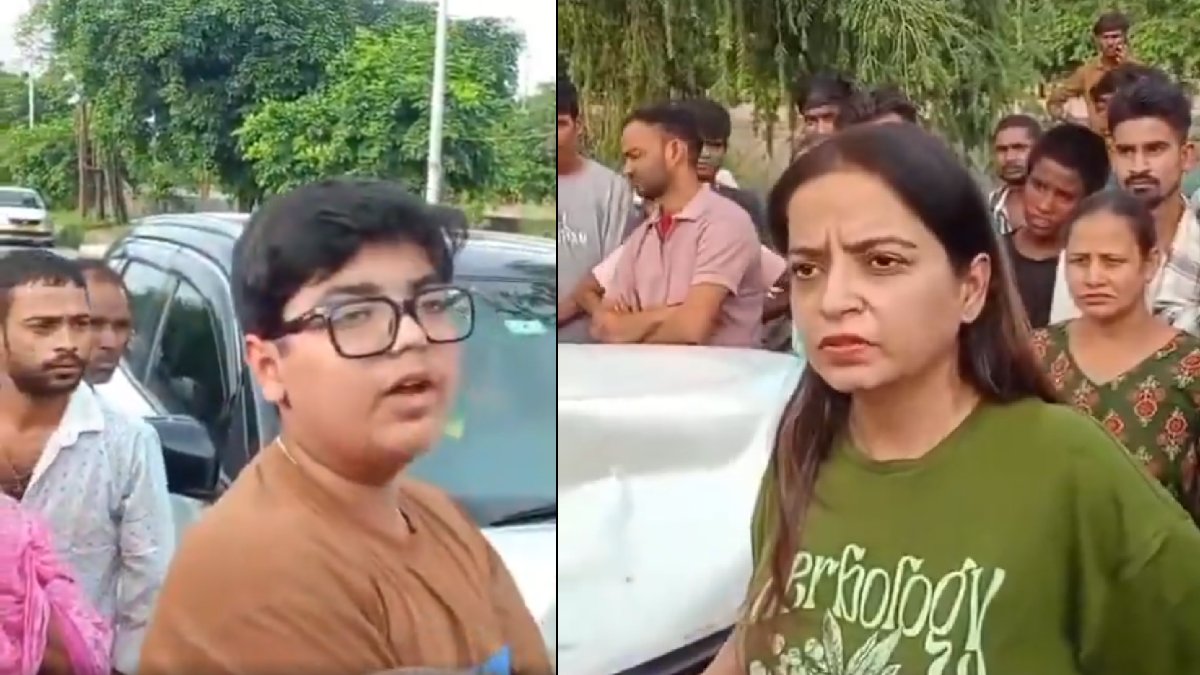
In the footage, the teenager’s mother seems to defend her decision to let the teen drive. Social media users have pointed out that parents and guardians cannot treat underage driving as a harmless or routine activity. For those who watch the video (and their reactions), the incident is indicative of a “chalta hai” attitude in which traffic laws are often ignored until a serious accident occurs.
Minor driving is still a major road safety issue in India. Teenagers who have not passed the legally prescribed age to get a driving licence are not allowed to drive motor vehicles on public roads. Driving is not just about driving, but understanding and control of a vehicle, road safety parameters, traffic rules and risks; when people make sudden decisions in their driving. Young and inexperienced drivers are more prone to error in situations that require quick decision making.
The legal fallout can even go beyond the minor behind the wheel. Parents or guardians of a child who is found to have been driving a vehicle can face serious penalties under provisions of the Motor Vehicles Act for juvenile driving under the law for a minor driving a vehicle, if the minor is caught by parents or guardians. As per the law and regulations, a fine can be up to ₹25,000 and up to 3 years in prison, suspension or cancellation of the vehicle registration or suspension or cancellation. The adult responsible for allowing the minor to drive or to have access to the vehicle may also be held responsible.
The Noida incident has thus made a larger question: Do penalties alone prevent minors from driving? Some viewers have said enforcement needs to be stepped up, particularly in residential areas and neighbourhoods where teenagers are allowed to drive cars, motorcycles or scooters in the expectation that they will not be searched by police.
Experts in road safety and people themselves have repeatedly emphasized parents are the key to preventing these types of behaviours. A teenager who hands over a car to someone else is not only at risk but also a pedestrian, cyclist, other driver and passenger. Even a very short drive can be deadly in a matter of seconds because road conditions can change rapidly.
The fact that the Noida crash did not suffer injuries does not diminish the seriousness of the incident. Near-misses and crashes without casualties can serve as warning signs of dangerous behaviour before a more catastrophic accident occurs. Social media users have said the focus should be on prevention as opposed to waiting for a fatal incident to force action.
We also have the road safety education of teenagers in the news. Schools, families and local authorities need to talk about traffic laws and driving duties. A driving licence is a sign of age and must also be the right, but not a bureaucracy-related thing for young people.
A 15 year old was driving a car upon the instructions of his mother because the driver hadn’t yet turned up. He rammed into another car badly damaging it. Thankfully nobody was hurt.
— Sameer (@BesuraTaansane) August 21, 2026
But shameless mother kept defending her decision.
This is precisely the chalta hai attitude…
Parents are in fact the most important. If you allow a child to drive safely because he/she is comfortable behind the wheel, or because other kids in the neighbourhood do, it sets a dangerous precedent. A child may be able to drive a vehicle mechanically, but he/she doesn’t yet have the maturity and experience necessary to know how to respond to an unpredictable situation of traffic.
The Noida video has become more than just a story about one crash. It has revived the debate about how casually underage driving is treated and the fact that families have a responsibility to enforce the traffic rules at home. Police are called out on the issue and tighter controls are urged since public anger with violations that can put innocent road users at risk is increasing.
As the video continues to draw attention, the incident serves as a reminder that road safety starts before a vehicle gets on the road. Preventing minors from driving, educating young people on traffic laws and holding responsible adults accountable will reduce preventable accidents. The Noida crash is clear to many of its viewers; the lesson to take away from the Noida crash is that a lack of injuries in one incident should not be mistaken for proof that underage driving is safe.