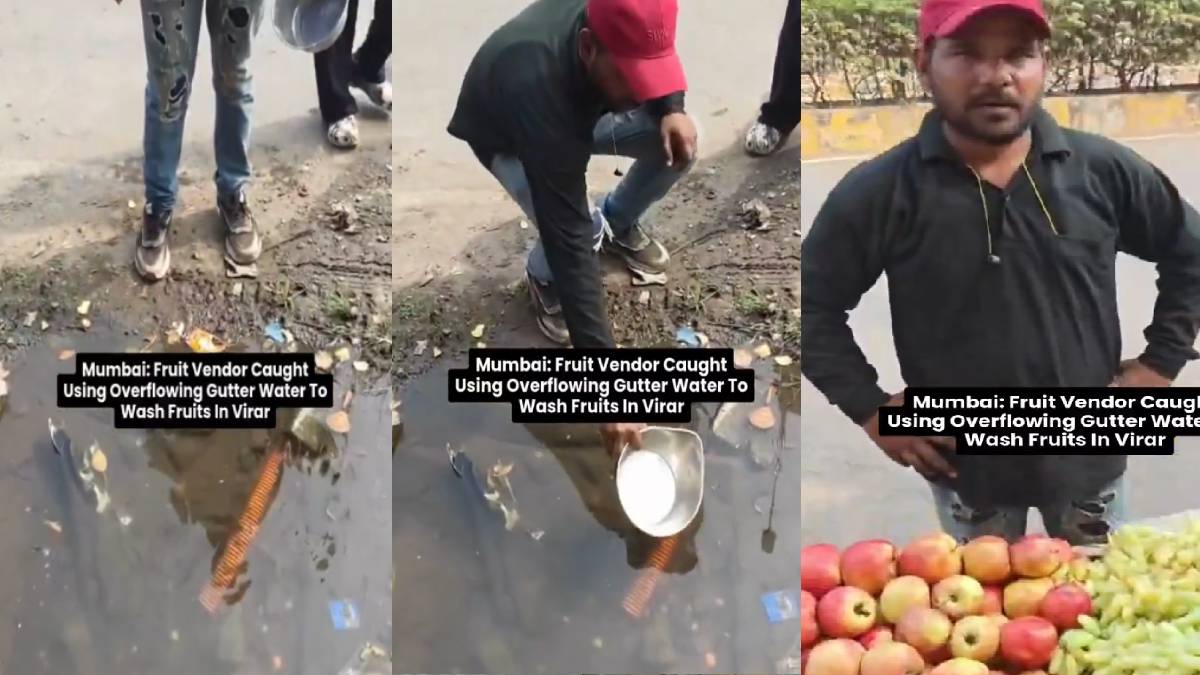
Mumbai has faced serious food safety questions after a shocking incident. The fruit vendor in Malad West was detected applying Ratol paste, a rodenticide, to fruits to protect them from rats. Ratol contains 3% yellow phosphorus, a highly toxic chemical that can be fatal if ingested, especially for children. The case has infuriated the public and highlighted the need for closer surveillance of food vendors.

The vendor was found to be using Ratol paste on fruits at his stall, local authorities discovered. The substance is intended to kill rats, but when applied to food, it poses a severe health risk. Yellow phosphorus is a protoplasmic poison that is rapidly absorbed by the body, causing vomiting, liver damage, and, in extreme cases, death. The vendor confessed that he used it to keep rats away from his stock, but this practice is illegal and dangerous.
This is not just about one seller. Experts cautioned that it could be a wider practice among vendors dealing with rodent infestations. The fact that one person was caught does not mean others are not doing the same. This raises concerns about the safety of fruits and vegetables sold in open markets across India.
The news quickly spread across social media, with citizens expressing shock and anger. Many said food safety inspections are often irregular, allowing such practices to go unnoticed. Parents, especially, fear children consuming contaminated fruits. The incident has prompted calls for stronger enforcement by the Food Safety and Standards Authority of India (FSSAI).
Health authorities advise consumers to exercise caution:

- Wash fruits and vegetables thoroughly before eating.
- Peel fruits when possible to reduce exposure to surface contaminants.
- Purchase from reputable vendors and avoid shiny or sticky produce.
- Watch out for unusual smells or appearances in fruits.
The Mumbai Ratol paste case is a rude awakening for officials and consumers. It demonstrates how unsafe practices can endanger public health and reinforces the importance of regulating street vendors. Even though the vendor has been booked under food adulteration laws, the broader takeaway is that consumers must remain cautious and proactive. Washing fruits and vegetables thoroughly is no longer just a routine, it is a survival strategy in today’s world of hidden food hazards.