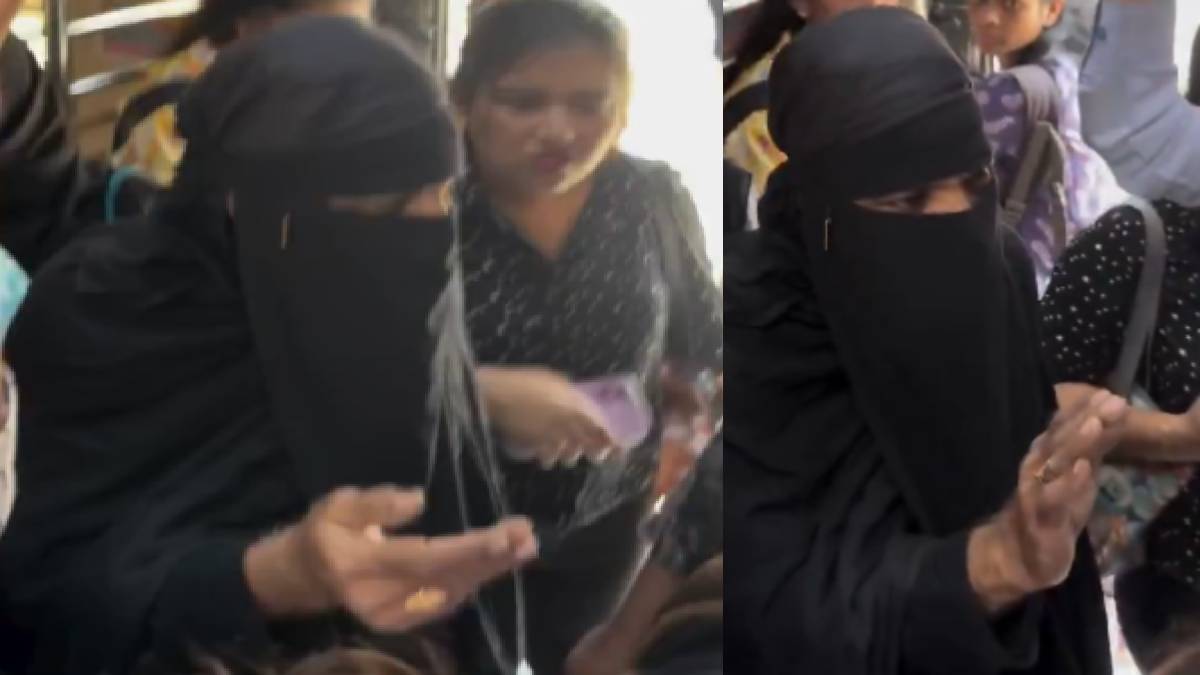
Mumbai’s suburban railways are sometimes described as the lifeblood of the city. It’s the lifeline millions of commuters use every day to make it to work, school and home. But beneath this hope is a tragic truth. A total of 2,287 commuter deaths were recorded in 2025 an average of eight commuters per day lost. That translates to eight families devastated each day. Within the last 11 years, almost 30,000 people have died and more than 30,000 have been injured on the network as reported by Government Railway Police (GRP).
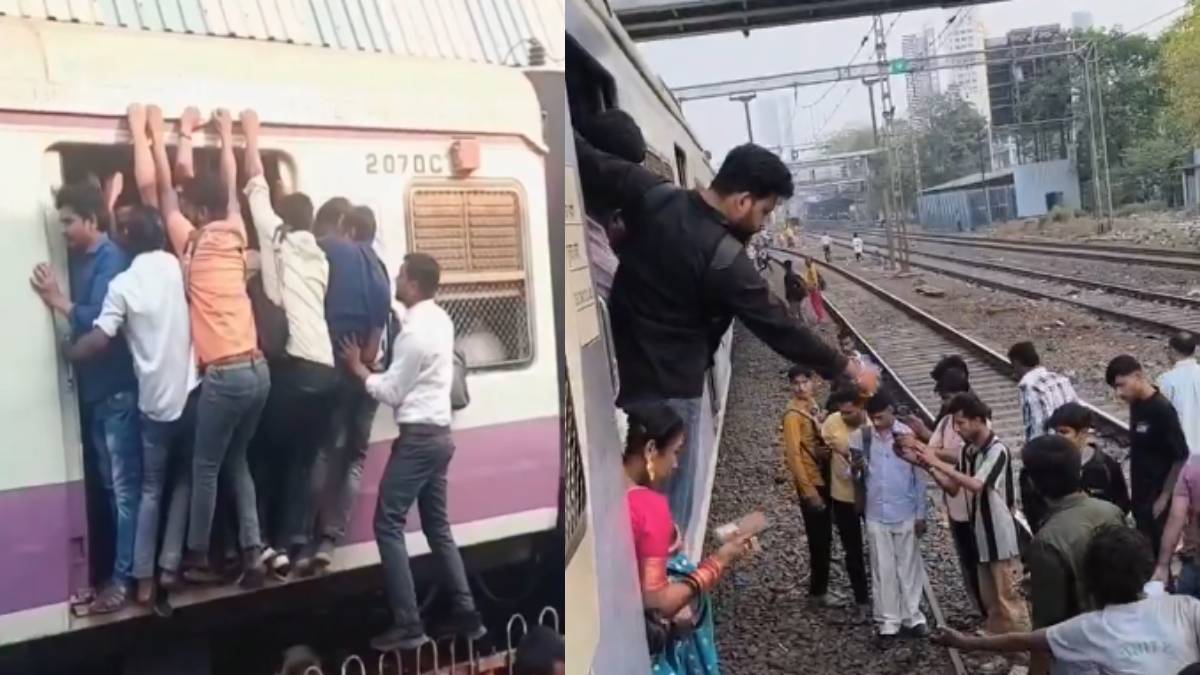
The numbers expose a crisis that has long persisted. There were 29,970 deaths and 30,214 injuries reported between 2014 and May 2025. And these figures illustrate how perilous the suburban railway system has grown to be for regular passengers. These tragedies are most often caused by overcrowding, where, by overcrowding, people fall off trains, cross tracks, or go on foot.
Mumbai's trains are overcrowded well beyond capacity. With millions of passengers each day, many are made to hang out outside compartments or cross tracks to save time. Infrastructure safety tools barricades, footbridges and warning systems in place are not keeping up with the burgeoning demand. The promises, which were made repeatedly, have gone unfulfilled leaving commuters exposed.
Every political party has pledged reforms, modernization and safety checks of Mumbai’s railways. And yet, the statistics reveal little has changed. It has allowed this silent crisis to persist without accountability, or indeed without any urgency. For a city so reliant on its trains, a lack of aggressive action is a failure of governance.
Behind every statistic is one human story: a student rushing to college, a worker coming home, a parent’s effort to save time. Every death is the loss of mourning families and shattered futures. This is about more than numbers; it’s about lives lost, hopes shattered.

Mumbai’s suburban railway is a lifeline, but it has also turned into a deathtrap for thousands. The staggering numbers of deaths and injuries emphasize the need for urgent action. Better infrastructure, tighter safety enforcement, and real political will are all necessary if this everyday loss of life is to come to an end. And until then, the city will continue the heavy price that every day eight families will bear with heartbreaking losses which might have been averted.