Mumbai has imposed a 10 per cent water cut beginning 15 May after the Brihanmumbai Municipal Corporation (BMC) announced plans to slash available water amid low levels of water in reservoirs and concerns of low rains in the monsoon season.
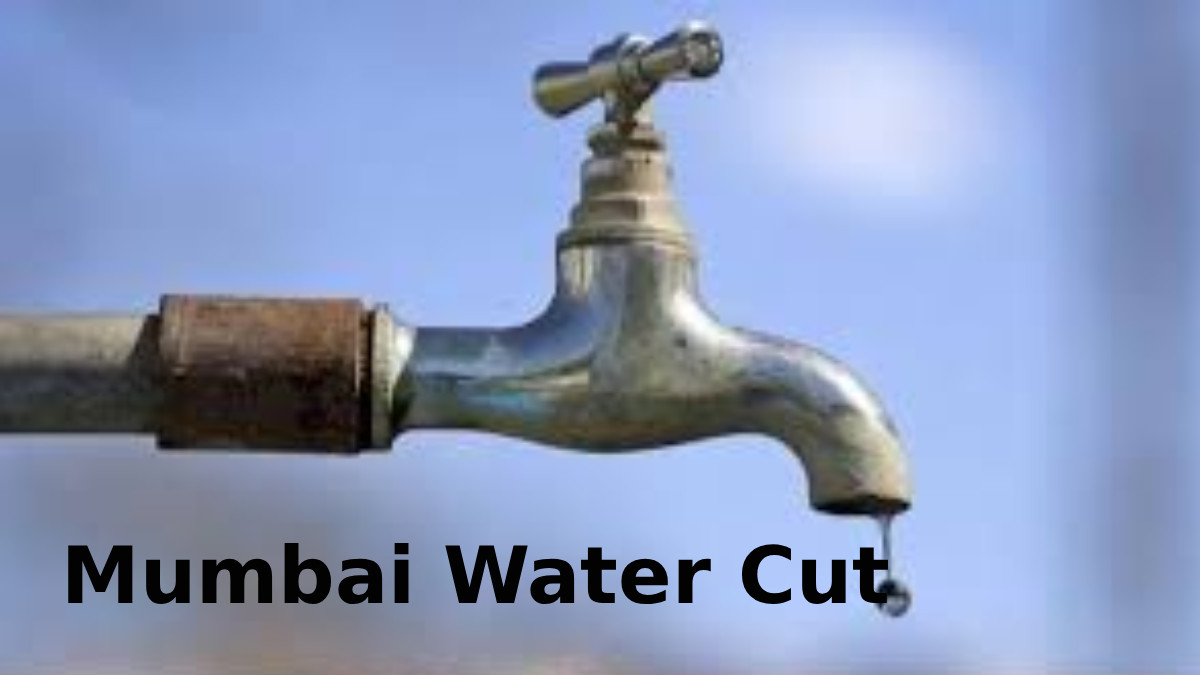
The step is part of an intense reduction of water from the lakes that serve Mumbai during the summer rush. Protections needed too should be taken to ensure that the reserves state will endure and be stable until the monsoon season arrives with plenty of rain, civil authorities said.
Mumbai also relies on 7-lake supply from Tulsi, Vihar, Modak Sagar, Upper Vaitarna, Middle Vaitarna, Bhatsa and Tansa. Some reservoirs have seen their water levels fall from a year earlier, officials said, fretting about falling water supplies in case of late delivery of rains.
Civil servants claimed the 10% water cut would help people, businesses and industries. The government also cautioned the authorities that citizens should not use water that is not required and save it for today. The BMC said that it took the determination after reviewing existing water resources and weather data. If extreme water use or a monsoon arrives late, they said, more restrictions could still be required.
Elsewhere in the city, people are already beginning to hear warning signs about the potential disruption to the way people already live each day. Housing societies, businesses, restaurants and other small businesses will undoubtedly feel the impact of reductions in supply, especially in places already experiencing a heavy summer water stress.
Mumbai’s growing population and demand from the densely populated urban areas put a lot of pressure on Mumbai’s water supply, experts said on an annual basis. However, leakage, illegal connection and wastage were an integral part of the problem too.
The BMC urges citizens to try to save water by using it as much as possible. Suggested improvements include a method to avoid tanks from overflowing, reuse water when gardening, limit car washing and fix leaking taps and pipes. So, Mumbai is in need of long-term solutions, not seasonal reductions, according to environmental specialists.
They underscore that rainwater harvesting, sewage recycling, lake rejuvenation, new water management systems and cutting-edge water technologies are solutions to avoid a repeat of summer’s perennial crisis. But the announcement has also reinvigorated a heated debate over urban planning and infrastructure readiness in one of India’s biggest metro cities.
On India’s social media, much speculation ensued about the main reason Mumbai still tends towards water stress almost every summer, but gets abundant monsoon rainfall every year. Officials say its immediate action is preventative and intended to head off a bigger crisis to come.
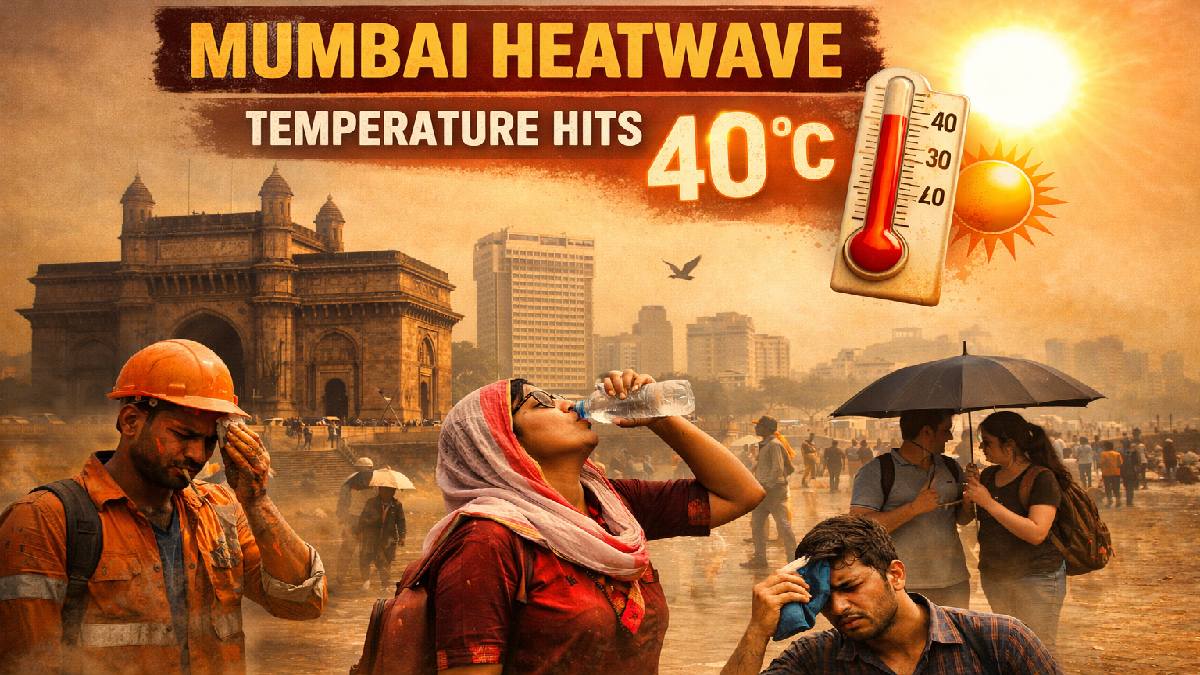
The BMC said it would monitor lake levels closely, and as rainfall fluctuates, it would be open to lifting restrictions in the coming weeks. Meanwhile, as temperatures rise and summer and even warmer temperatures rise, the demand side is up, and Mumbai residents are preparing themselves for tougher times of trying to conserve and manage the water supply in order to meet their needs.