For a lot of Bangalore women, buying a pure Mysore silk saree is both pride and heritage. Their sarees manufactured by Karnataka Silk Industries Corporation (KSIC) are recognized for elegance, durability and beauty. But in recent years, purchasing one has been a struggle. Queues form as early as 4.00 AM in front of KSIC showrooms, with women waiting hours for a saree. Prices are from ₹23,000 to ₹2,50,000, and strict requirements stipulate only one saree per customer with a token system. Supply remains weak, frustration remains among buyers.
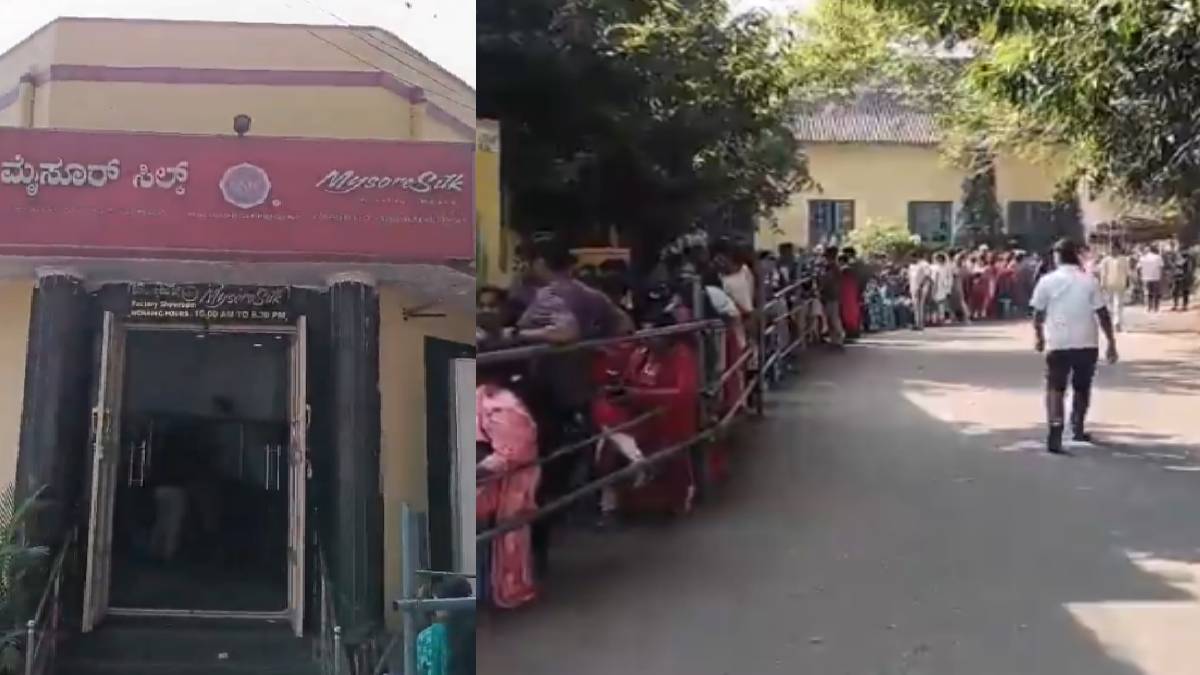
The shortage of authentic Mysore silk sarees has been a consistent issue during 2025, and there are no concrete plans for 2026. KSIC, which has the legal privileges and GI tag for pure Mysore silk, has trouble with demand. The issue as much is not one of interest as of production capacity. Sarees sell out within hours, causing many customers to be unhappy.
There are only a few skilled weavers and artisans that are employed by KSIC, the major cause of the shortage. It takes six to seven months to train a new artisan, even on basic proficiency. This creates an inability to scale production at an accelerated pace. Unlike private enterprises, KSIC uses nothing but trained labor and infrastructure for authenticity, but is limited in scalability.
It worsens in festive and wedding times. Festivals such as Varalakshmi Puja, Gowri Ganesha and Deepavali create enormous demand for silk sarees. Families often purchase sarees for brides, relatives and special occasions, causing showroom rushes. During these periods, queues outside of KSIC outlets rise, and sarees dwindle or disappear from shelves within hours.
Private-sector companies have attempted to fill the void, while KSIC grapples with supply. Sadly, most sell spurious or artificial silk, often imported from China. And customers are sometimes fooled into thinking that they are buying real Mysore silk. A well-known example is a case in Tirupati where a private contractor was discovered to have been selling fake silk to devotees. That illustrates why KSIC’s tight management of production is so important, that it may well mean slower production. At least buyers can trust that their saree is genuine.
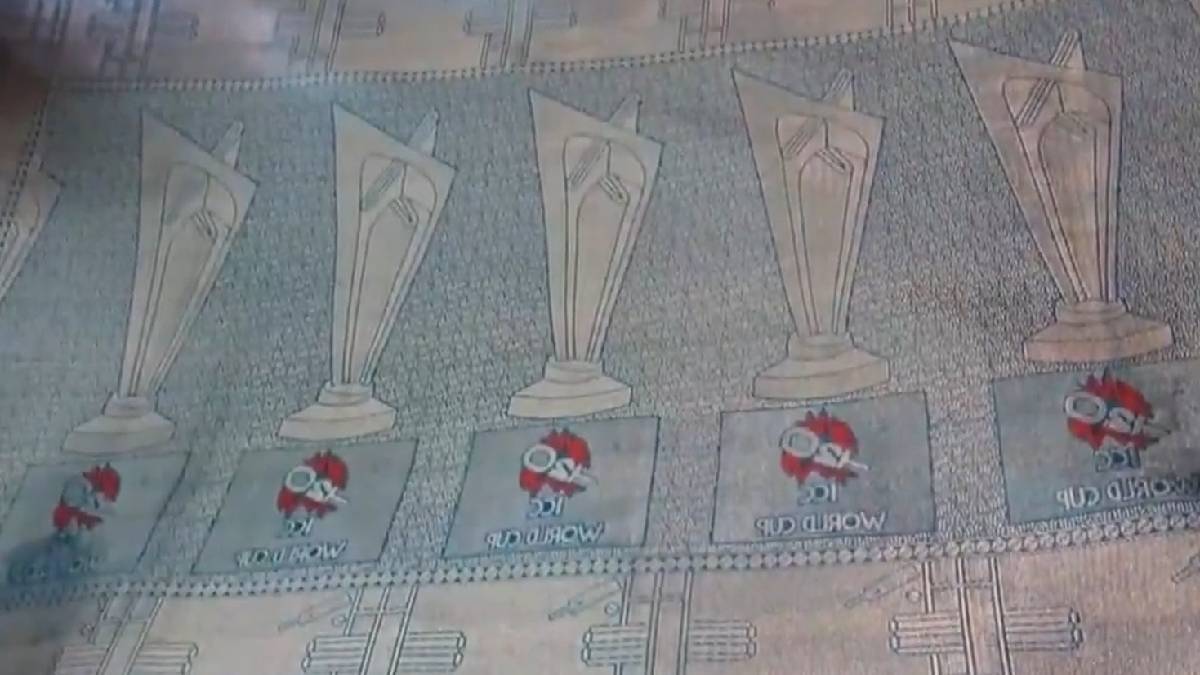
The situation has been compared to life in the Soviet Union, where shortages of necessities were common. People stood in line for hours to purchase basic items, often with rationing systems instituted. Just like in the case of Mysore silk sarees, the product is now in short supply as luxury items with customers queuing for a saree before dawn and having to buy it with tokens. The real difference, though, is that KSIC’s shortage isn’t a matter of mismanagement but the challenge of making real silk at scale.
For buyers, it’s both maddening and rewarding. It can be exhausting waiting in the line for hours, but the pleasure of finally owning a KSIC Mysore silk saree makes it worth it. For many women, the saree is a heirloom, a thing to tell next-to-grandchildren something about. Scarcity has rendered it even more prestigious, more coveted.
KSIC could consider expanding training programs, therefore more craftsmen would make the workforce. Partnerships with educational institutions or vocational schools might facilitate training. A different approach is to enlarge production facilities while ensuring quality control is maintained. But those changes will take a while and customers could suffer shortages for several years more.
The scarcity of real Mysore silk sarees is evidence of the conflicting demands of tradition and demand. KSIC’s emphasis on authenticity means that buyers get genuine products, but due to the lack of production capacity, there are long lines and frustration. The seasonal peaks in demand only intensify the pressure. Private companies may have better alternatives, but they usually do not provide a guarantee of purity. Women here in Karnataka will still stand before dawn to claim a saree that symbolizes not just fashion, but heritage. The Mysore silk shortage might continue, but its worth and prestige are stronger than ever.