Tourists visiting Mysuru are confronted by a growing menace of touts who are attempting to draw traffic to a particular place by telling tourists about the closure of popular places and then steering them to saree, silk, sandalwood and handicraft stores. The people who are said to approach tourists near huge landmarks and say attractions have been closed and offer them tourist attractions and shopping places at which they will make hefty commissions.
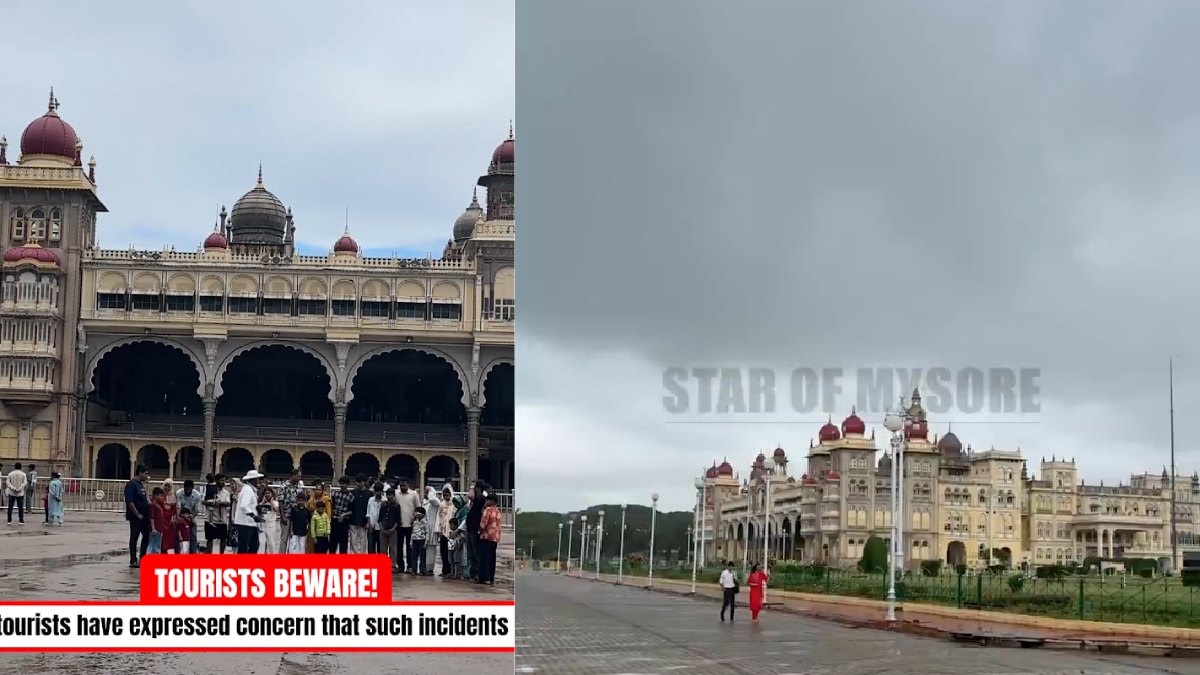
Some of the misinformation spreading includes that the Mysore Palace has been shut down for Maharaja’s Jayanti, the Mysuru Zoo is temporarily refusing visitors since animals are being fed, and Chamundi Hill has been closed for several hours because the Chief Minister is visiting and darshan has been suspended, among others. These kinds of claims can cause confusion for visitors who do not know local events, timings and processes.
The issue attracted more attention after a Mumbai woman posted about it on Instagram. According to her account, she was approached outside Mysore Palace on July 26 by a man who told her that all major tourist attractions in the city had been closed because of Maharaja’s Jayanti celebrations. The man then gave her a “famous shop,” which was purported to sell authentic silk and sandalwood, and said all the tourists could not go in and see.
We are worried about the impact of such practices on Mysuru's reputation as one of Karnataka's most popular tourism destinations, the report said. Mysuru is a city of royal history, palaces, temples, museums, markets and cultural attractions. For first-time visitors, misinformation delivered confidently by someone near a major landmark can appear credible.
But the alleged practice also raises questions about the increasing prevalence of commission-driven shopping in tourist circuits. Real local products can also be the biggest target for people looking for “authentic” Mysuru silk, sandalwood items and traditional handicrafts. If tourists are led to a store based on false claims, they may have little opportunity to compare prices, verify product authenticity or make independent decisions.
The Mysore Palace Board has taken steps to prevent tourists from falling for information that is false. Daily announcements are now being made through loudspeakers at the Varaha Gate ticket counter to tourism lovers that the Palace is still open. The announcements are being made in Kannada, Hindi and English so that visitors from different parts of India can hear it.
As the multilingual announcements could be an important first line of defence because a lot of people may believe what they see just outside attractions. By communicating official information directly at the ticket counter, authorities can reduce the possibility of visitors being persuaded to leave the premises based on fake information.
The Tourism Department has also been interested. They are considering putting “tourist patrolling” at key tourist spots in Mysuru. Such patrols might identify individuals who repeatedly approach visitors with suspicious claims and be able to give tourists official help when they encounter questionable information.
The recent incidents indicate that before cancelling travel plans, tourists shouldn’t be surprised when strangers say that a few of the major attractions have closed, and immediately point out a shop, guide or other activity you need to visit.
A group of touts is reportedly misleading tourists in Mysuru with false information about the closure of major attractions and diverting them to select saree and handicraft shops that pay hefty commissions.
— Star Of Mysore (@Star_Of_Mysore) August 22, 2026
Tourists are being told fabricated stories such as, “The Palace is… pic.twitter.com/TEwsLlUK2R
For Mysuru, tackling the alleged tout menace is important not just to protect individual tourists but also to keep the city a good cultural destination. Heritage tourism has long been a boon to the city and so the bad experiences of misinformation or aggressive commercial practices can influence how visitors see the place and share their experiences online.
The proposed tourist patrols, multilingual announcements and increased awareness of the tourists may all contribute to the solution. Clear signage at tourist attractions, easy access to official information and greater monitoring of major landmarks would reduce the likelihood of touts trying to mislead an unsuspecting tourist.
The tourists visiting Mysuru are encouraged to be alert and independently verify claims about sudden closures, restricted entry or changes to sightseeing schedules. And the ultimate goal is to see that visitors do not get diverted by misleading information or are pushed into commission-based shopping.