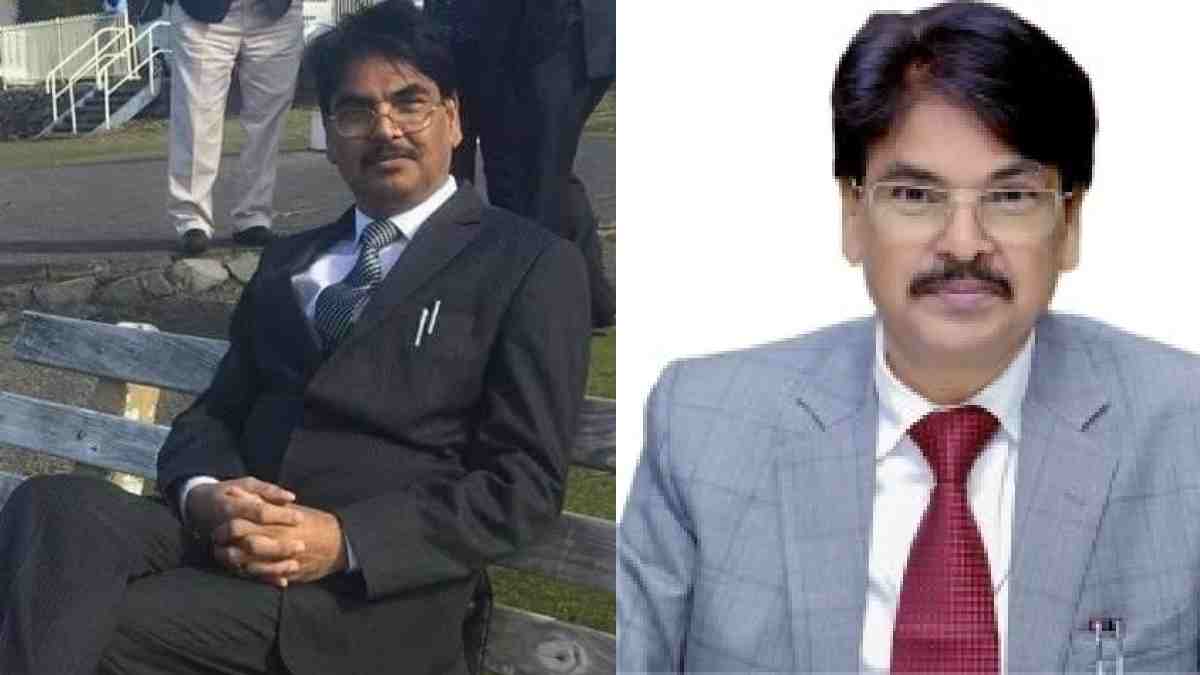
Telangana Chief Minister A Revanth Reddy’s meeting with Oxford academic Professor Maya Tudor during his UK visit has triggered a political controversy, with the BJP questioning how the interaction went down and accusing the Oxford scholar of being “anti-India.”
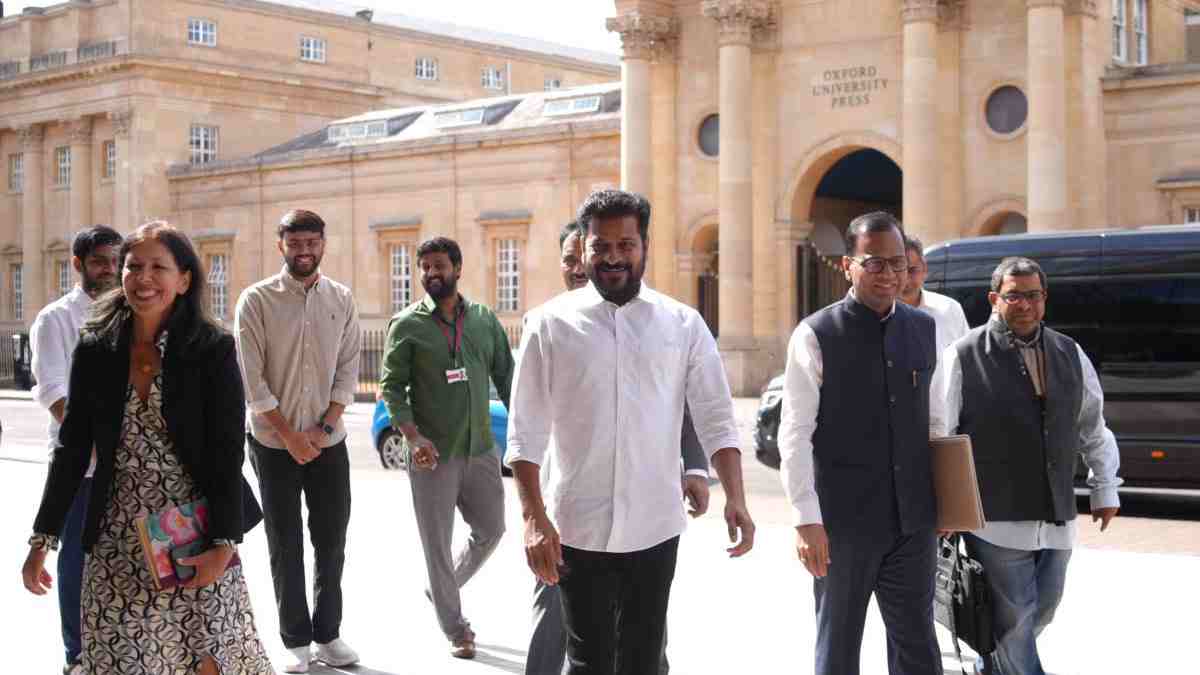
Reddy was at the meeting to drive home his government’s Telangana Rising vision and also push for greater collaboration with Oxford University.
Who is Maya Tudor
Maya Tudor is a Professor of Politics and Public Policy at the University of Oxford’s Blavatnik School of Government and a Fellow of St Hilda’s College. She studied at Stanford University and Princeton University and has worked with organisations such as the World Bank and UNICEF.
Her research is mostly on democracy, political parties, nationalism, state capacity and political development with particular interest in South Asia. She has written extensively about India and Pakistan and has tried to understand why the two countries went down different political pathways after independence.
Tudor is also the author of The Promise of Power: The Origins of Democracy in India and Autocracy in Pakistan, a book on the political roots of India's democratic system and Pakistan's early authoritarian course.
Her PhD work behind the book won the American Political Science Association’s Gabriel A. Almond Prize for the best dissertation in comparative politics.
Why is she being criticized by BJP
Tudor’s published commentary on Indian democracy and nationalism sits at the heart of the controversy. In a 2023 article for the Journal of Democracy, she claimed India is on the decline and that the pressure on opposition groups, media and democratic institutions was increasing.
Her earlier academic work also touched on nationalism and democracy in India. Tudor described in one paper the democratic dangers of an increasingly exclusive version of nationalism.
Such views have made her a target of criticism from parts of the political establishment and BJP supporters. But the term “anti-India” is not Tudor’s academic title. In her published work, India is still of interest to her in terms of its democratic development, nationalism and political institutions.
What happened during Revanth Reddy’s Oxford visit
Reddy met Tudor on his Oxford visit during the Telangana Rising delegation’s UK tour. The chief minister outlined the vision of his government for Telangana and the possibility of Oxford establishing a stronger presence in Hyderabad through executive education, research and other academic collaborations.
The meeting has therefore become politically significant because of Tudor’s previous public writings about India. Although the BJP’s criticism has made the discussion more intense, Tudor’s academic background is broader than her political views on Indian politics.
And the episode shows how meetings between Indian leaders and international academics can quickly enter into domestic political debates, especially when the scholar has already expressed strong views on India’s democracy and political direction.