The Central government has reaffirmed that the National Education Policy (NEP) 2020 places a high focus on improving student health, hygiene, nutrition, environmental awareness and physical fitness as a whole in the context of holistic school education. Minister in the Rajya Sabha Jayant Chaudhary said this was because we are putting these priorities in a number of national schemes and education programs for children across the country.
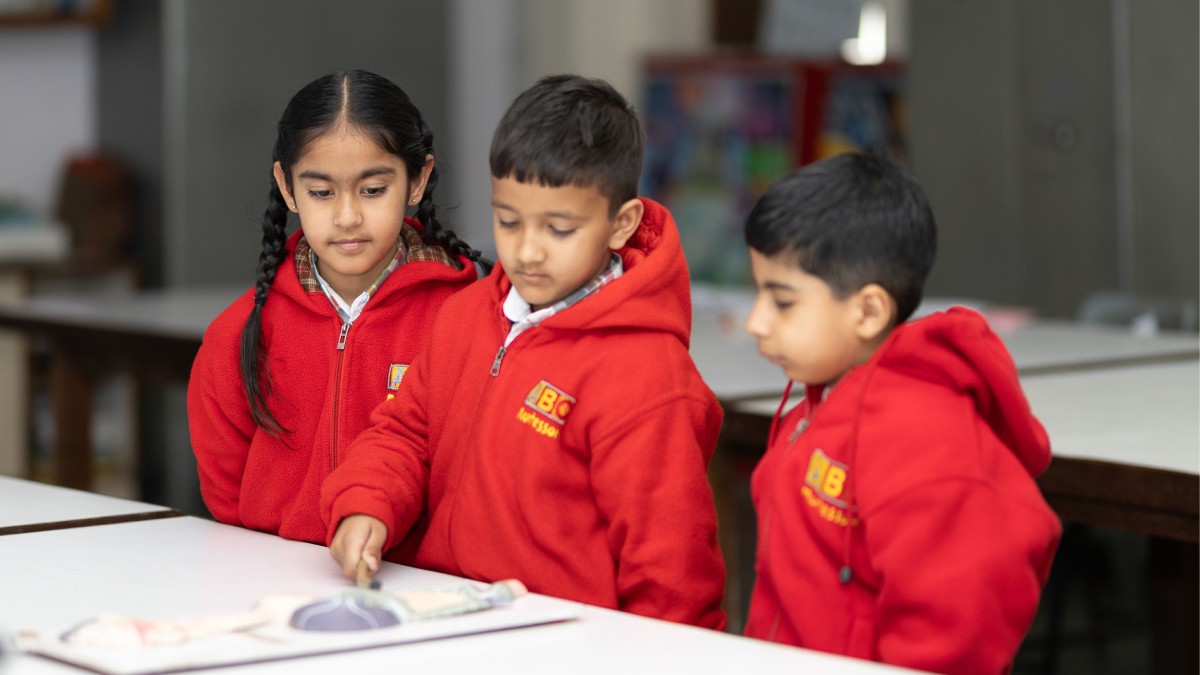
According to the written reply tabled in Parliament, the Ministry is working on a number of initiatives in line with NEP 2020, namely, Samagra Shiksha, Pradhan Mantri Poshan Shakti Nirman (PM POSHAN), School Health and Wellness Programme (SHWP), Rashtriya Bal Swasthya Karyakram (RBSK) and Eco Clubs for Mission LiFE. These programmes are aimed at promoting healthy lifestyles and nutrition, environmental responsibility and physical activity among school children.
The Ministry also stressed the role of the National Council of Educational Research and Training (NCERT) in embedding themes related to health, hygiene, nutrition, air pollution, climate awareness and environmental sustainability into school curricula. These topics have been incorporated in textbooks and learning materials in an age-appropriate manner so that students develop awareness and responsible habits from an early stage of education.
One of the flagship programs to improve student well-being is the Pradhan Mantri Poshan Shakti Nirman (PM POSHAN) scheme. Over 10.23 crore students enrolled in Bal Vatika and Classes 1 to 8 in nearly 10.33 lakh government and government-aided schools receive fresh, healthy meals every day according to the Ministry.
PM POSHAN also tackles meals but also teaches students about healthy eating habits. The scheme promotes balanced diets, nutritional fortification, the harmful effects of excessive junk food consumption, proper sanitation practices and the importance of regular handwashing. Schools must develop School Nutrition Gardens (SNGs) in order to help students to see the value of fresh produce, sustainable agriculture and nutrition in practice.
Environmental education is another important element of NEP 2020. Under the Samagra Shiksha programme, states and Union Territories are given financial and technical support to build Eco Clubs for Mission LiFE (Lifestyle for Environment) in schools. These clubs are designed to sensitise students to pressing environmental issues such as climate change, conservation of biodiversity, waste management and sustainable living.
With tree plantation drives, recycling campaigns, water conservation campaigns and education campaigns, Eco Clubs seek to engage students in environmentally responsible behaviour and be active players in sustainable development.
The Ministry also stressed that NEP 2020 views sports and physical education as a foundational part of the school curriculum rather than an optional activity. Sports-integrated learning in the policy acknowledges that physical activity is very important for children's cognitive development, teamwork, discipline, leadership, emotional well-being and overall fitness.
In order to achieve these goals, the National Curriculum Framework (NCF) includes sports and physical education in education at every stage of education through sports-based teaching. Schools should incorporate physical activities into classroom learning to promote healthful practices and more engagement (and better learning).
Special importance has been paid to yoga in the new curriculum. NCERT textbooks, for example, teach children about the concept of Yoga for Daily Life and basic Yog Sadhana in a very appropriate manner, and the Ministry said. By introducing children to yoga practices early in life, it is expected that the government will enhance the physical well-being, concentration, and relaxation of students and the mental health of the students.
Education experts have long argued that academic success should come hand in hand with physical health, emotional resilience and environmental responsibility. The Ministry’s efforts are part of an overall change in India’s education system from rote learning to holistic development, one of the main objectives of NEP 2020.
As long as schools continue running those programmes, the government hopes to see students not only develop better academic platforms but healthier lives, environmental consciousness, better physical fitness and life skills in order to be responsible citizens in the future.