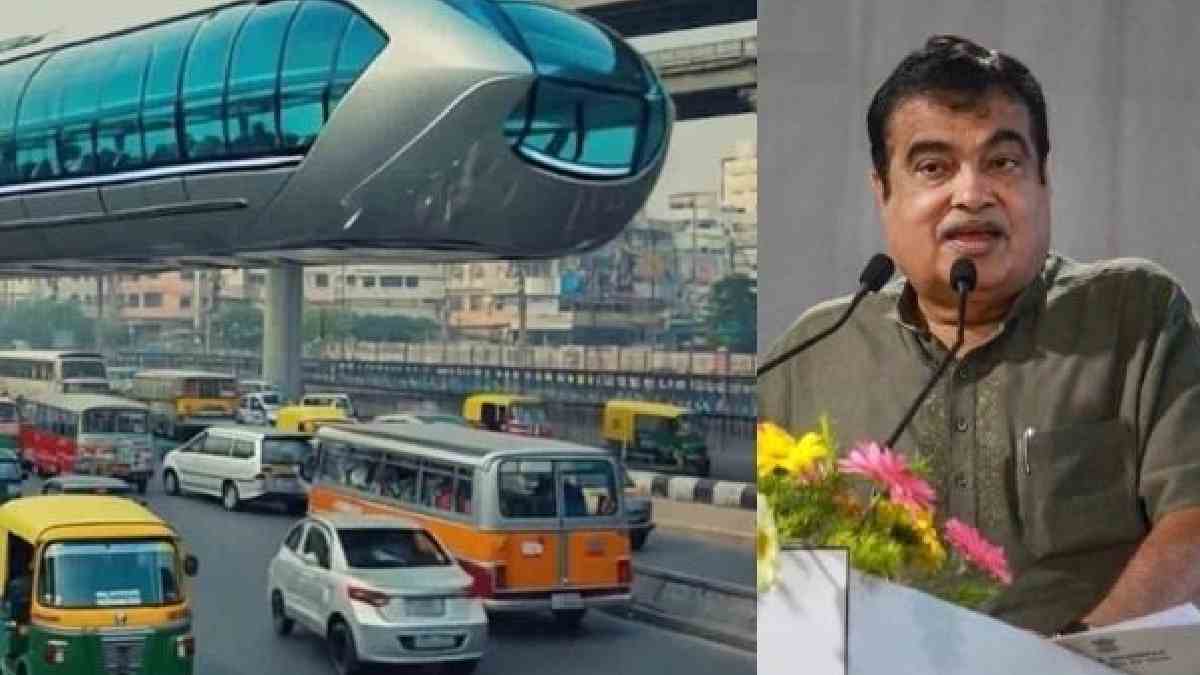
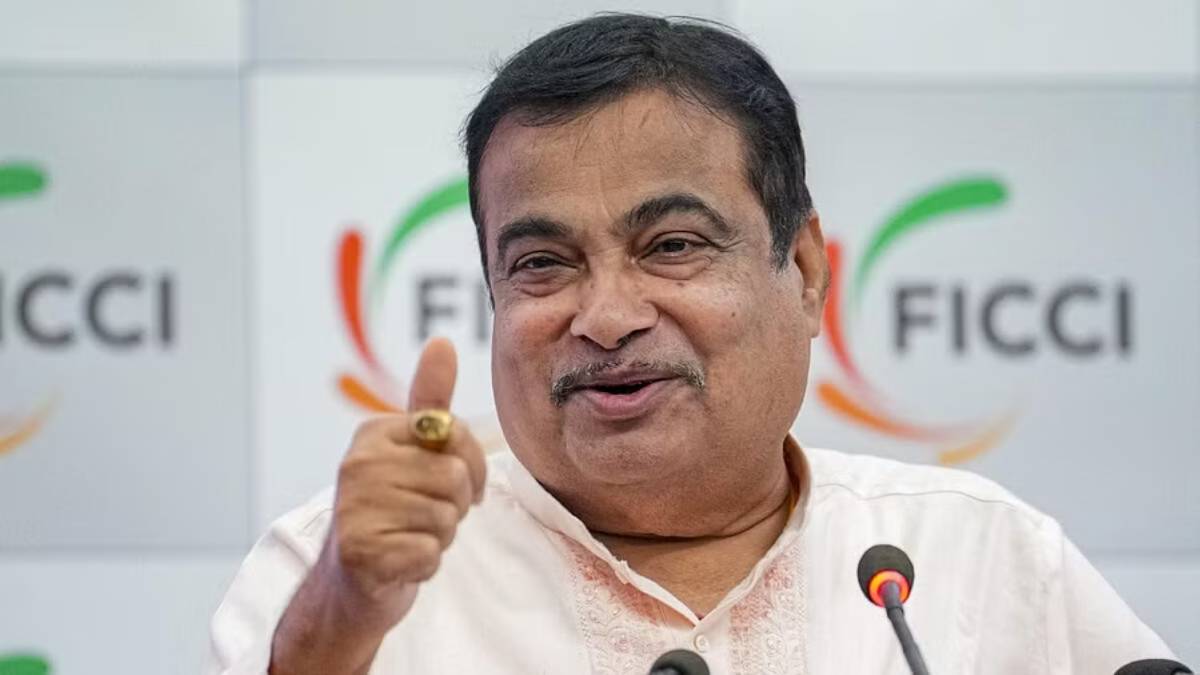
Nitin Gadkari, the Union Minister of Road Transport and Highways, has once again backed India's ethanol-blended fuel programme, dismissing arguments that E20 petrol damages engine capacity. Admitting that there were criticisms of the fuel, Gadkari challenged critics to show one vehicle that has even been damaged just due to E20 petrol use.
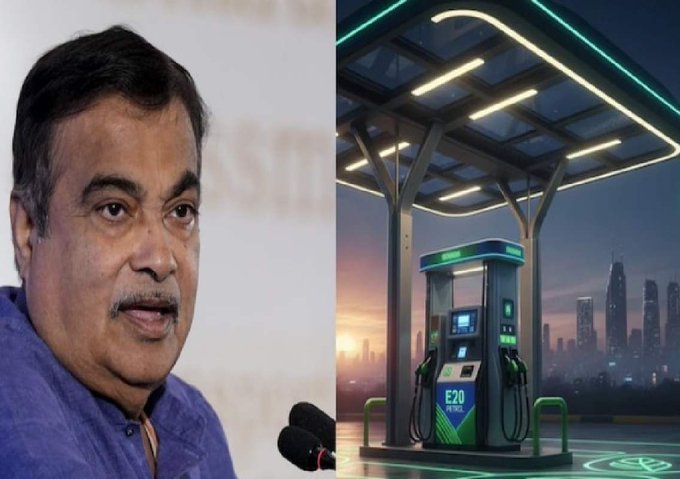
The minister’s remarks come as India is speeding up its ethanol blending programme, one of the key steps towards reducing dependency on imported crude oil and supporting farmers, and reducing automobile emissions.
What exactly is E20 Petrol?
E20 petrol is a blend of 20% ethanol and 80% petrol. Ethanol is an alcohol-based biofuel produced mostly from agricultural feedstock such as sugarcane, maize, damaged food grains, and other biomass.
The Government of India has been steadily increasing ethanol blending in conventional petrol as part of its clean energy and energy security strategy. E20 fuel is now being increasingly available across the country, and many new vehicles are being produced with this blend.
Gadkari's Challenge to Critics
Gadkari addressed some drivers’ concerns that India’s automobile industry has high engineering and manufacturing standards and that the ethanol policy is based on scientific research and extensive testing.

He also disputed the claim that E20 fuel causes engine damage, asking critics to provide proof of a single car that failed when its engine failed due to the fuel alone.
His comments were meant to dispel a lot of myths being spread on social media and among vehicle owners about engine wear, reduced mileage, and damage to fuel system components.
Why Are Some Vehicle Owners Concerned?
Much of the debate around E20 petrol is based on ethanol’s chemical properties.
Ethanol absorbs moisture more easily than traditional petrol and burns differently inside an engine. Older vehicles, especially those manufactured before ethanol-compatible standards were introduced, may have rubber hoses, seals, and fuel system components that were not specifically designed for higher ethanol blends.
Those doubts are what are driving some of the people to worry about long-term durability.
What Do Experts Say?
Most new vehicles manufactured from 2023 onwards are designed to be E20 compatible. Car manufacturers say that most new cars from 2023 onwards are E20 compatible. Upgraded fuel system components, corrosion-resistant fuel tanks, and materials are also made to be ethanol-blended fuel-resistant.
And although older vehicles might not have originally been intended for E20 fuel, there is no widespread scientific evidence that E20 immediately causes severe engine damage in properly maintained vehicles. However, older vehicles are advised to follow the manufacturer’s advice about fuel compatibility.
Another frequent topic of discussion is fuel economy. Since ethanol provides less energy per litre than petrol, it can cause some cars to suffer a short-term loss in mileage when using higher ethanol blends. The exact impact can be attributed to the engine design, driving conditions, and calibration.
Economic Benefits for India
Gadkari has consistently promoted ethanol blending because of its economic benefits.
India imports more than 85 percent of its crude oil requirement, making the country vulnerable to global oil price fluctuations. Increasing ethanol blending can reduce petroleum imports and save huge amounts of foreign exchange each year.
The programme would also open up a new market for agricultural products such as sugarcane and maize to farmers, which would provide new income opportunities and contribute to rural economy development.
Environmental Advantages
Besides the positive economic impact, E20 fuel also helps India's environmental objectives.
Ethanol-blended fuel, compared to conventional petrol, can significantly help reduce carbon monoxide and other hydrocarbons from the system, contributing to cleaner air and reducing greenhouse gas emissions in India. However, the environmental impact is dependent on feedstock production, land use, and the full life cycle of ethanol production.
Moving Towards Cleaner Mobility
India's car makers are increasingly launching vehicles certified for E20 fuel in the country as the country’s long-term transition towards cleaner and more sustainable transportation continues.
Although discussions on fuel compatibility continue, experts recommend that vehicle owners consult the manufacturer’s user manual or authorised service centre to check whether their specific model is approved for E20 petrol.
Gadkari's recent comments underscore the government's confidence in the ethanol blending programme. As India becomes more self-reliant on energy and reduces emissions, E20 petrol will play a bigger role in the country’s future fuel strategy.