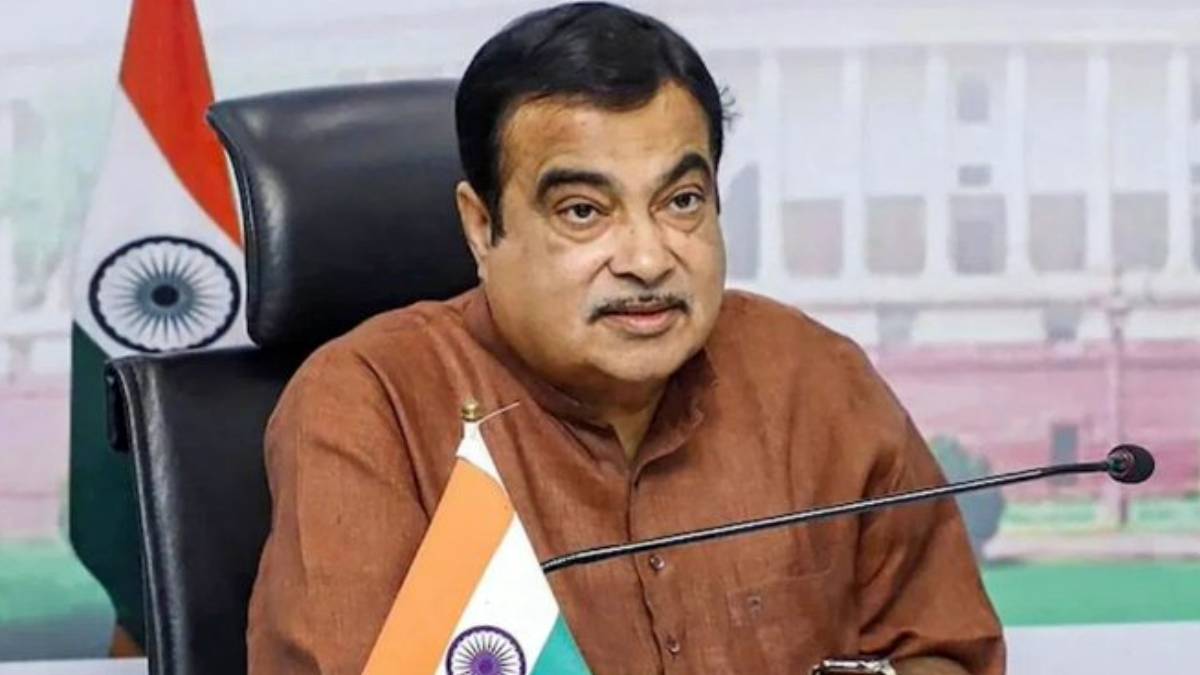
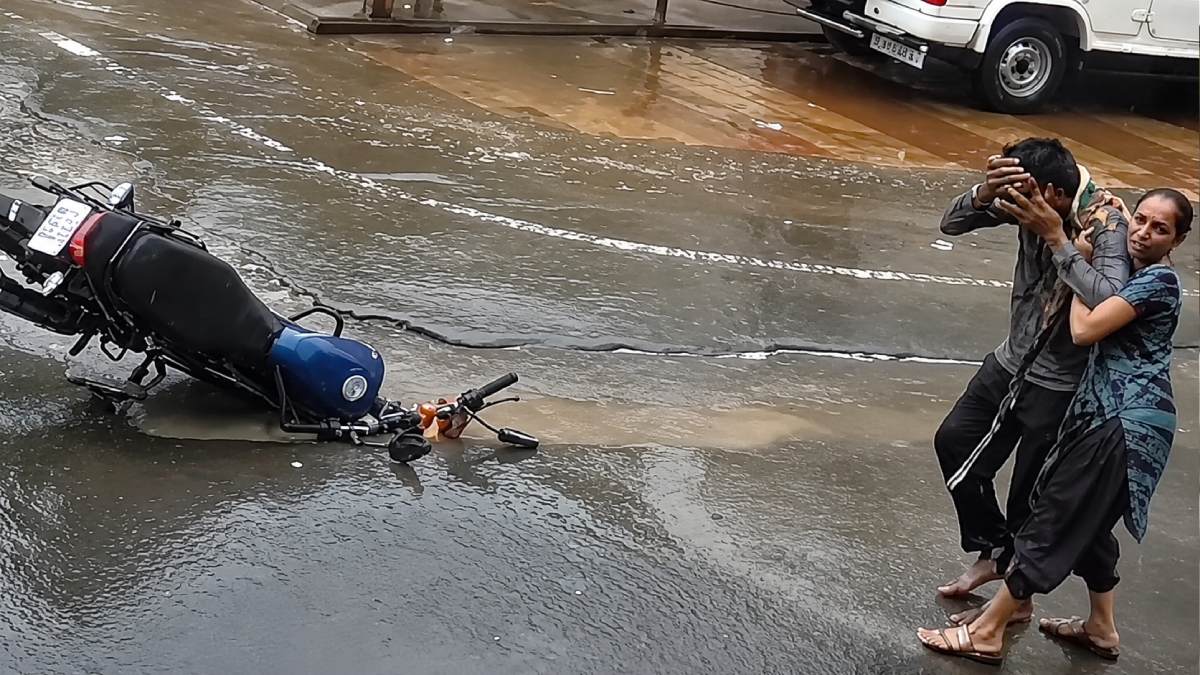
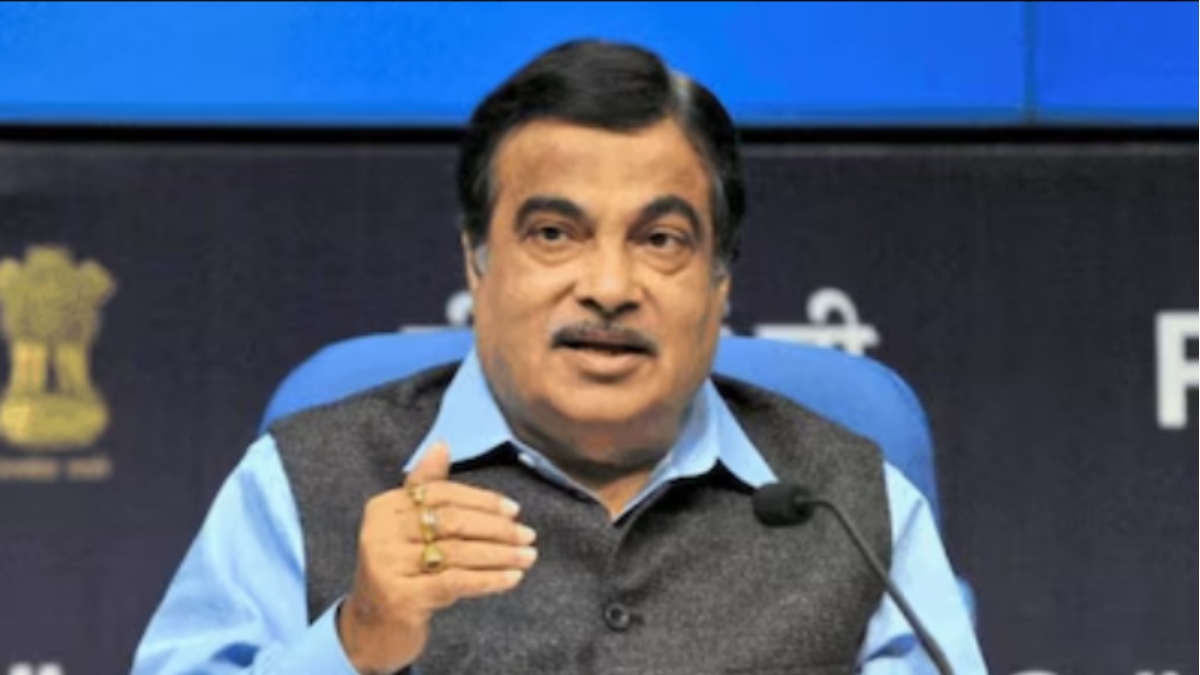
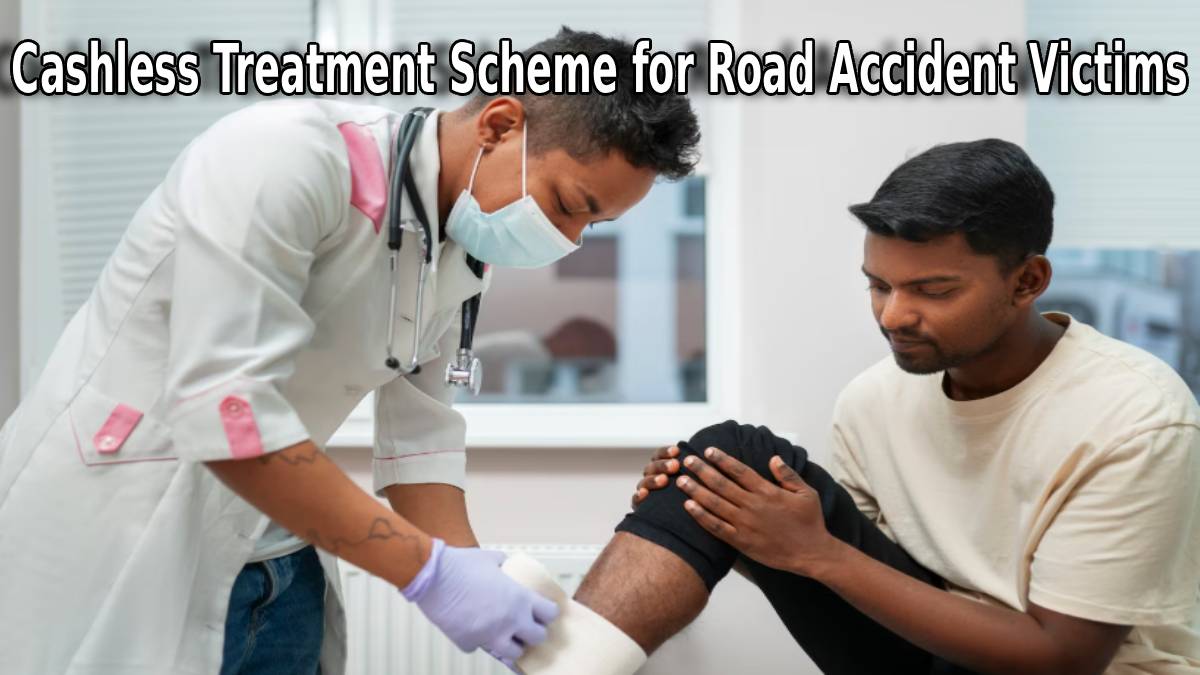
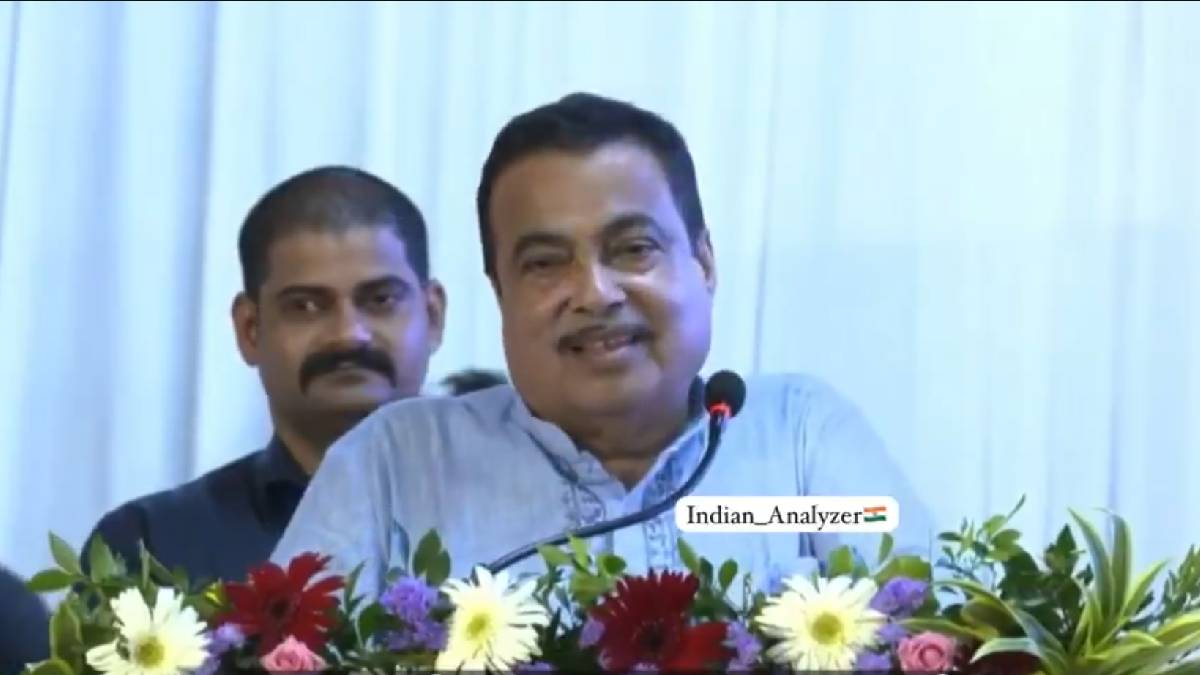
India is set to announce a new scheme that could save thousands of lives annually. Nitin Gadkari, Union Minister for Road Transport and Highways, on Saturday announced cashless treatment for road accident victims. The scheme guarantees victims medical treatment of up to ₹1.5 lakh per accident for a maximum of 7 days from the date of the accident. It assures that no matter the victim’s financial condition, immediate medical attention will be afforded without delay.
Why the Scheme Matters:
Road traffic accidents are one of the leading causes of death and injury in India. Each year, lakhs of people get hurt and thousands die because of poor access to emergency services. Hospitals demand the payment from families, or families can’t easily secure funds quickly, so many victims suffer delays in treatment. The new policy to eliminate cash is intended to eliminate it. With coverage for treatment up to ₹1.5 lakh, the government seeks to prevent deaths and increase recovery. The emphasis is on the “golden hour”, the crucial first hour after an accident for which prompt medical response could mean life and death.
Key Features of the Scheme:
Cashless treatment:
Victims will no longer have to pay for things out of their own pocket at the hospital.
Coverage limit:
Up to ₹1.5 lakh per victim per accident.
Duration:
It shall remain valid from the date of accident for seven days.
Scope:
The effect is applicable to all road accident victims throughout India.
Execution:
Hospitals will be empaneled under the scheme to deliver care without asking for advance payment by using some form of reimbursement.
This structure enables victims to get the right services right away, while hospitals receive government or specific insurance direct repayment through insurance payments.
Government’s Vision:
“India’s roads must be safe and reduce accidents, deaths.” Nitin Gadkari Underpinning everything, Gadkari says, is the idea of making the roads safer and taking away the cause of death. The administration has already invested in roads, tougher traffic regulations and campaigns to spread the word. The cashless treatment project enriches the healthcare aspect of these activities. Add up improved roads and guaranteed medical care to that and the government seeks to reduce India’s high accident fatality rate. Gadkari has also pointed out that this plan is a humanitarian stance of prioritizing people’s lives over cost.
Challenges Ahead:
So promising. What could be some of the challenges too?
Involvement of hospitals:
Public and private hospitals should participate in the scheme and provide good care.
Promotion:
Victims and families must know about the mechanism to demand cashless treatment.
Supervision:
Effective control must be put in place to prevent abuse and fraudulent claims.
Infrastructure gaps:
Rural areas may still experience limited access to well-endowed hospitals, even if treatment is free.
Overcoming these hurdles will be critical to the initiative’s success.
Public Reaction:
The announcement has been a big success among local people, and also welcomed by road safety activists and workers to the road safety movement--notably health officials. Some call for a rise of a safe future, many also say. So many believe in saving lives and relieving many families' financial burdens. When it was first announced on social media people chatted on the topic with the government's preference for accident victims. Although criticisms arose over what may be slow or hesitant implementation in different regions of the country.
The Bigger Picture:
And India’s shift to cashless treatment for accident victims is part of a larger move towards integrating health care into social welfare. Such schemes already exist in other parts of the world, but the scale of India makes this initiative all the more important. With millions of cars on the road and a high incidence of accidents, the program could serve as a model for other developing countries.
The cashless treatment programme for road vehicle victims is a historic first in India’s road-safety and health progress journey. By covering ₹1.5 lakh per victim for seven days, the government is making sure that no financial barriers become a source of fatalities. Properly functioning, the scheme could rewrite the emergency care rules in India, save thousands of lives and give relief to Indian families in crisis. This is more than a policy; it is a pledge of care and accountability to its people in an unfortunate circumstance like the road traffic accident.