Some traders and business associations in India have announced that they will observe a national “No UPI Day” on October 2, coinciding with Gandhi Jayanti, to protest the proposed Merchant Discount Rate (MDR) on certain UPI merchant transactions. This comes just before the introduction of a new fee structure from October 15.
Under the new rules, a 0.4% Merchant Discount Rate (MDR) will be applicable to P2M UPI transactions above ₹2,000 and larger transactions up to ₹300. Customer-to-consumer (P2P) UPI transfers would still be free, and customers themselves would not be charged the MDR fee. The fee would be paid by eligible merchants that accept digital payments.
The proposed charge has aroused strong resistance from trader groups, which say the additional cost will hurt their bottom line because of the poor profitability of small businesses. Many traders say it may discourage digital transactions and increase operational costs for retailers, distributors, and small businesses.
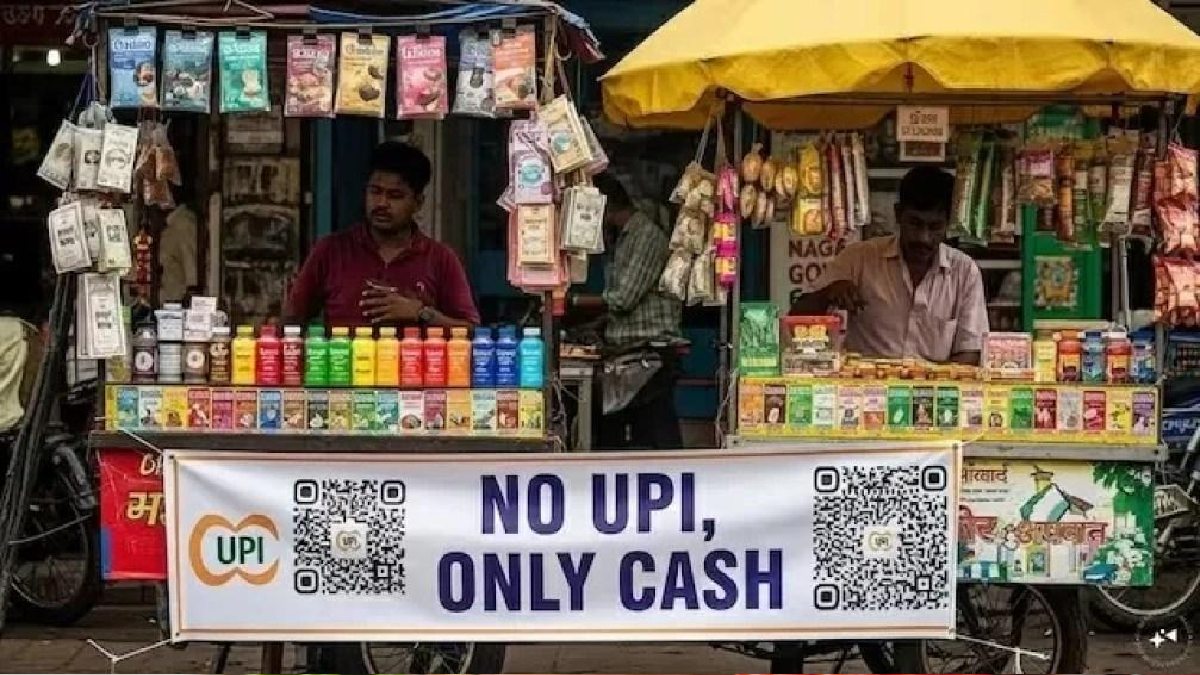
As part of the protest, participating traders are expected to temporarily stop accepting payments through UPI platforms like PhonePe, Google Pay, and other QR-code-based payment systems on October 2. Many associations have also proposed covering QR codes, scanners, and sound boxes with black cloth as a symbolic protest against the MDR policy.
Traders in the campaign intend to accept only cash and card payments during the protest period, they say. The aim, they say, is to show that the low-cost digital payment system for merchants is necessary and to urge the policymakers to reconsider MDR.
Several influential trade bodies are supporting the proposed “No UPI Day.” These include the Maharashtra Chamber of Commerce, Industry and Agriculture (MACCIA), Federation of Retail Traders Welfare Association (FRTWA), All India Mobile Retailers Association (AIMRA), and All India Jewellers and Goldsmith Federation (AIJGF), among others. There are hundreds of trade organisations in each state involved in the protest.
Trade leaders have argued that merchants have been integral to digital payments and to the development of the country’s cashless economy. They say MDR charges on merchants would slow down years of digital payments growth and put more pressure on businesses already suffering from growing operational costs.
At the same time, supporters of the new MDR framework have claimed that sustainable funding for digital payments infrastructure development in India is crucial. According to available information, the new structure is designed so that most UPI transactions remain unaffected while only certain merchant transactions above the specified threshold attract the fee. In the meantime, customers will still make UPI payments without any direct charge.
The protest has already resulted in discussion in several states, with traders removing or covering QR codes and encouraging customers to use cash or cards to make higher-value purchases. Similar concerns have been raised by petrol pump operators and other merchant groups that have been seeking exemptions from the MDR framework.
Whether a change in policy will come from the planned October 2 protest also remains to be seen. But the announcement of a nationwide “No UPI Day” highlights increasing fears in the trading community of the new MDR charges.
As consumers, the main takeaway is that some participating businesses may temporarily suspend UPI payment acceptance on October 2 and instead request payment through cash or cards as part of the symbolic protest. A bigger conversation about how to balance digital payment growth and paying for the infrastructure will continue in the weeks leading up to the implementation date of October 15.