As the risk of seasonal viral fevers and mosquito-borne diseases increases during monsoon months, Collector Swapnil Dinakar Pundkar has appealed to citizens to actively participate in removing mosquito breeding sites by declaring every Friday as a ‘Dry Day.’ This will reduce stagnant water in homes, workplaces, schools, construction sites and public spaces to prevent mosquito breeding, and to prevent dengue, malaria, chikungunya and other vector-borne diseases.
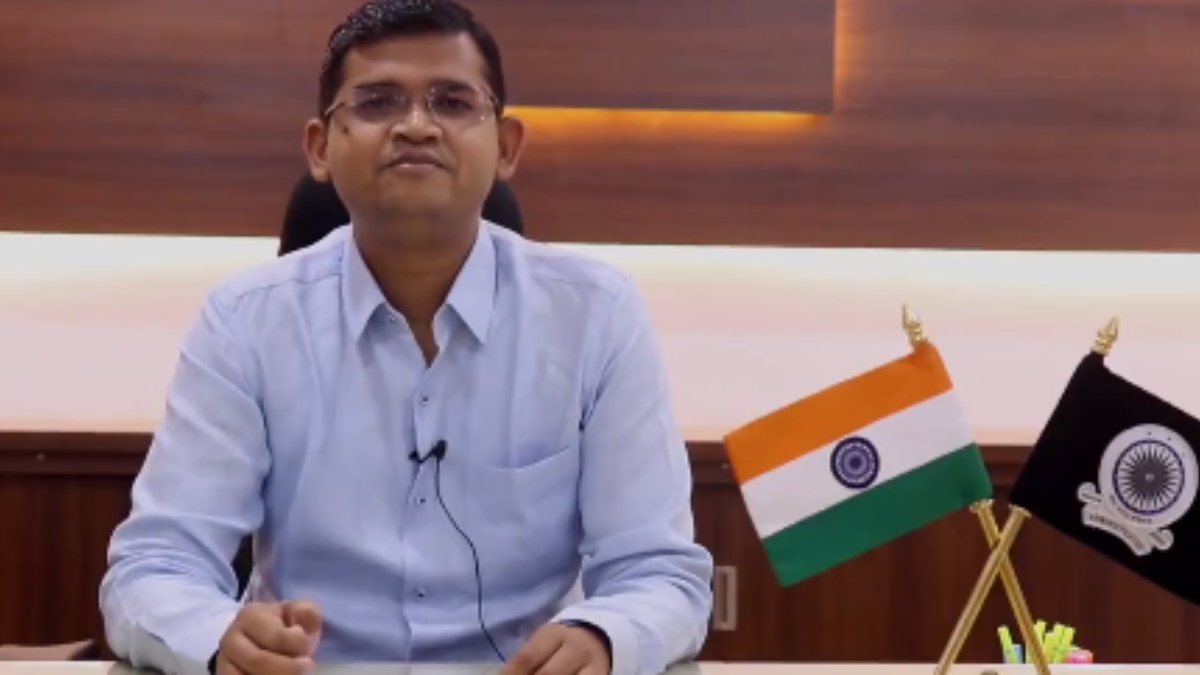
As for community involvement, the Collector said mosquito breeding is one of the most effective ways to reduce viral fevers. He urged residents to check the environment every Friday, empty or clean containers of stagnant water, and ensure that water storage tanks, flower pots, discarded tyres, coolers, coconut shells, and other objects capable of collecting rainwater do not become breeding grounds for mosquitoes.
Mosquitoes that spread diseases like dengue and chikungunya can breed in even a small amount of clean stagnant water, health officials say. A bottle cap, flower vase, uncovered bucket, or blocked drain can provide sufficient conditions for mosquito larvae to develop. Because the mosquito life cycle from egg to adult takes about a week under good conditions, weekly inspections every Friday can stop this cycle and reduce mosquito numbers.
The ‘Dry Day’ campaign encourages households, commercial establishments, educational institutions, government offices, industries and community organizations to spend a few minutes every Friday to remove stagnant water. The authorities think that public involvement can significantly strengthen municipal mosquito control measures, such as fogging, larvicide application and sanitation campaigns.
Experts say viral fevers and mosquito-borne diseases tend to rise during and immediately after the rainy season because of waterlogging and increased humidity. Dengue, in particular, is a major public health issue in many parts of India. Common symptoms include high fever, severe headache, muscle and joint pain, nausea, skin rash and fatigue. Malaria can bring fever, chills, sweating and body aches and chikungunya is associated with severe joint pain that can last for weeks or even months.
The Collector also urged local authorities and municipal authorities to step up sanitation efforts by clearing up clogged drains, throwing out garbage, improving waste management, and keeping public areas away from water accumulation. Construction companies and property owners have also been advised to prevent water from collecting at building sites where unused materials and containers are mosquito breeding hot spots.
Public health officials said that preventing mosquito breeding is more effective than only medical treatment after infections occur. Awareness of the community and environmental cleanliness is the key to controlling outbreaks. Citizens also need to be engaged in door-to-door awareness campaigns and mosquito surveillance activities along with health workers.
Health professionals suggest reducing mosquito bites as well as eliminating breeding sites. These include using mosquito repellents, sleeping under mosquito nets, installing window screens, wearing long-sleeved clothing, and keeping houses well-ventilated. People with persistent fever or symptoms that point to mosquito-borne illness should always seek medical attention faster rather than self-medicate.
Schools are also encouraged to educate students about mosquito prevention and children are encouraged to raise awareness with their families. Community organizations, resident welfare associations and volunteers are also expected to play an important role by organizing local cleanliness drives and getting neighbors to join in the weekly ‘Dry Day’ initiative.
The campaign is not a one-off exercise, but rather a long-term public health project, and should always be done during the monsoon season, officials said. Even if mosquito populations appear low, regular inspections are necessary because breeding can resume quickly after rainfall.
The district administration has assured residents that health departments, municipal teams and sanitation workers will continue to perform inspections, fogging operations where necessary, and public awareness programs in conjunction with community efforts. And they also said people should report areas with persistent stagnant water or poor sanitation so corrective action can be taken quickly.
Collector Swapnil Dinakar Pundkar stressed that preventing viral fevers is a shared responsibility between the administration and the public. By keeping every Friday as a ‘Dry Day’ and removing stagnant water and keeping the surroundings clean, communities can stop mosquito breeding and thus protect vulnerable people from potentially life-threatening diseases.
The initiative is a way to advance preventive health as a community by engaging the community. As monsoon-related health issues persist, local authorities hope that regular observance of ‘Dry Day’ will encourage safer neighborhoods, healthier communities and a sharp decrease in mosquito-borne diseases in the district.