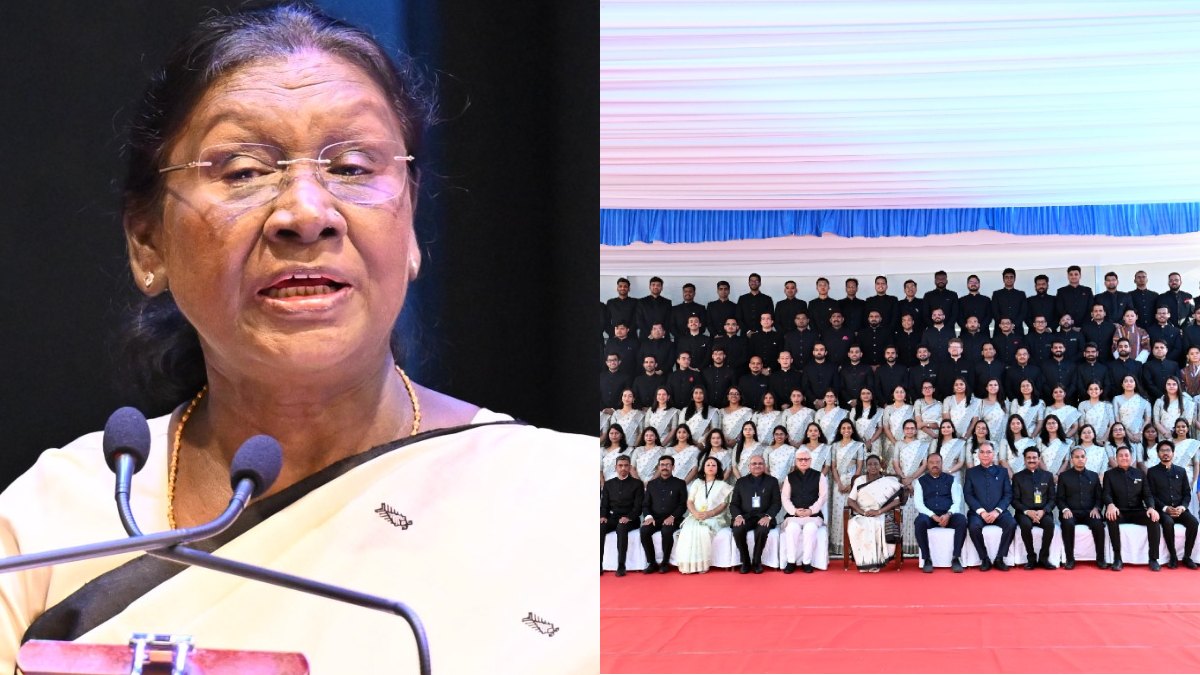
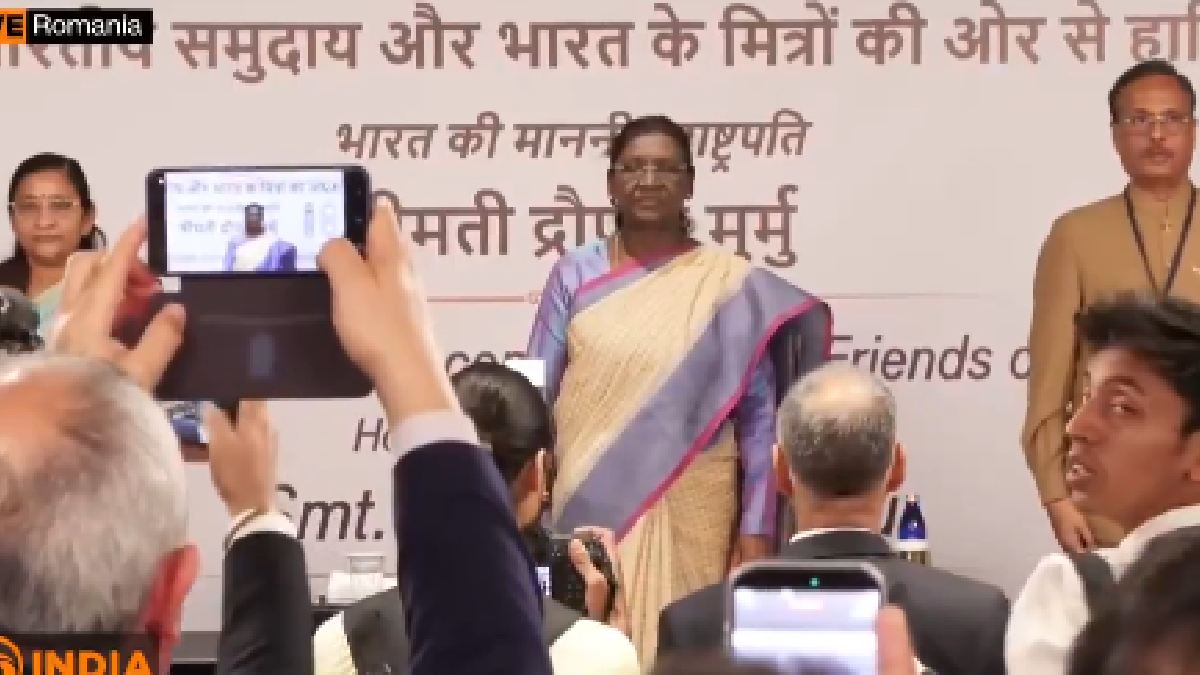
Droupadi Murmu has stressed the importance of local communities in preserving India’s forests as conservation efforts only work if people living in and around forests are treated as active stakeholders rather than mere beneficiaries. There is no question that community involvement remains the cornerstone of protecting forests, biodiversity and natural resources for future generations, the President said.
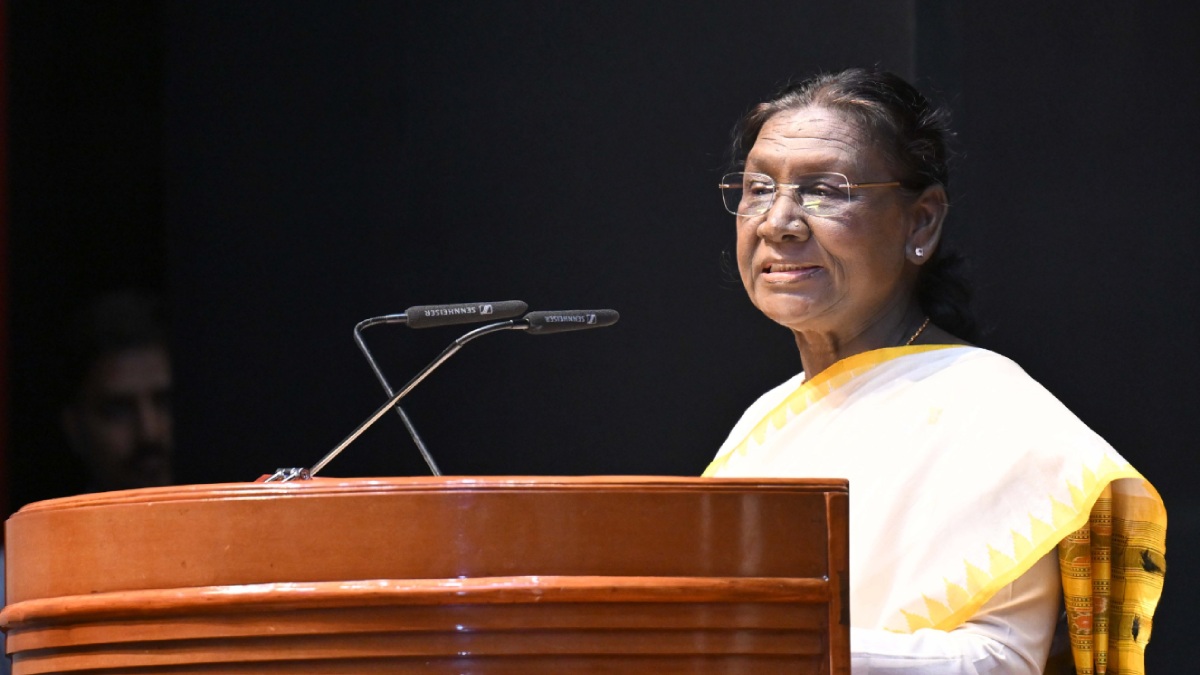
President Murmu told a gathering on environmental conservation and sustainable development that forests are not just a collection of trees but complex ecosystems that have been responsible for biodiversity, climate, water resources and for millions of people to live in. Conservation efforts should focus on the fact that forests are inextricably tied to those communities that have been dependent on them for generations, she said.
Many tribal and indigenous communities have deep traditional knowledge on forests, wildlife, medicinal plants and sustainable resource management, the President indicated. The way they practice their practices that have been developed over centuries helps to keep the environment in balance and provide for daily living incomes. And incorporating this traditional knowledge into modern conservation strategies will only help to strengthen environmental protection efforts and build on this indigenous knowledge.
India is one of the richest biodiversities in the world and forests provide life for thousands of species of plants and animals. These ecosystems are critical to the maintenance of ecological stability by saving soil from erosion, preserving groundwater, controlling rainfall and absorbing carbon dioxide from the atmosphere. Healthy forests have become increasingly important to combat greenhouse gas emissions and enhance climate resilience as climate change continues to be a global challenge.
President Murmu said that conservation cannot be achieved by government alone. The participation of local residents, self-help groups, village institutions, forest protection committees, non-governmental organizations, researchers and civil society is also key. As long as people are involved in planning, decision-making and implementation of conservation programs, such programmes will be more likely to receive continued public support and will have longer-lasting results.
And the President also stressed conservation and livelihood security as a partnership. Millions of people in rural and tribal regions depend on forests for food, fuelwood, fodder, medicinal plants, bamboo, honey and other non-timber forest products. Sustainable management practices could help these resources sustain local livelihoods and not destroy forest ecosystems.
India has been implementing some initiatives to encourage community participation in forest management. Works like Joint Forest Management are among those to promote collaboration between forest departments and local peoples to preserve and restore degraded forests. Such collaborative approaches have shown that working with local residents can foster regeneration of forests and economic opportunities in the region.
Afforestation and reforestation remain key to India’s environmental strategy. Plantation drives, restoration of degraded landscapes, watershed management and urban forestry programmes all contribute to more green cover and better ecological health. But it is also clear that it can be even better to protect existing natural forests than to plant new trees.
The President also said that environmental conservation must become part of sustainable development as opposed to a hindrance to economic development. Responsible development is to ensure that infrastructure projects, industrial activities, agriculture and urban expansion minimize ecological damage and take care of the environment for future generations.
Education and environmental awareness are cited as critical aspects of conservation. Educating young people on biodiversity, wildlife protection, climate change and sustainable resource use can foster responsible environmental stewardship. Schools, universities, community organizations, media and so on are all involved in the promotion of environmental awareness and it is not only a public health issue.
Technology is increasingly aiding forest conservation efforts. Satellite monitoring, drone surveys, geographic information systems (GIS), remote sensing, artificial intelligence, and digital mapping allow authorities to monitor forest cover, detect illegal activities, assess biodiversity, and improve management planning. But technology is most effective when combined with local knowledge and community involvement.
Experts say that it is possible to empower forest-dependent communities through the protection of land rights, income streams, skills building, and access to sustainable markets to create more incentives for conservation. When people who live in healthy forests have direct involvement in natural ecosystem protection efforts against illegal logging, forest fires, and wildlife crime as local people directly benefit from healthy forests.
President Murmu said that environmental sustainability is a common responsibility that must be shared by governments, communities, scientists, educational institutions and citizens. The world should help protect forests through efficient use of resources, tree planting and biodiversity conservation and, she said, in support of sustainable development initiatives.
Her words buttress the growing perception that if conservation is to work it is not just about legislation and enforcement, but also about people at the ground level. Putting local communities at the heart of conservation will help India to improve the ecosystem and biodiversity in the forest, to protect biodiversity and to better absorb climate change.
As the country is working on its environmental and climate targets, President Droupadi Murmu’s message reminds us that forests are best served when those who depend on the forest are empowered to protect them. Community-based conservation backed by science and policy and sustainable development will help to safeguard India’s natural landscape for generations to come.