In a major action to prevent the increasing incidence of oral cancer and to keep healthy people healthy Odisha, the Government of Odisha is providing a total ban on the manufacture, storage, transportation, distribution, and marketing of gutkha, pan masala, and other tobacco-based products.
The Health and Family Welfare Department (No. 2065) notice of prohibition dated 21 January 2026, was issued as superseding the Order of the Government of Odisha, 2013. The updated regulations seek to close those loopholes in the law that once allowed manufacturers to circumvent limitations.
Closing the Loophole: What the Ban Overcalls
The 2026 alert is comprehensive, unlike previous regulations, which were sometimes misinterpreted narrowly. Conjoined Sachets: vendors no longer offer pan masala and tobacco in separate packets intended to be mixed by the consumer, a convenient way to escape earlier bans.
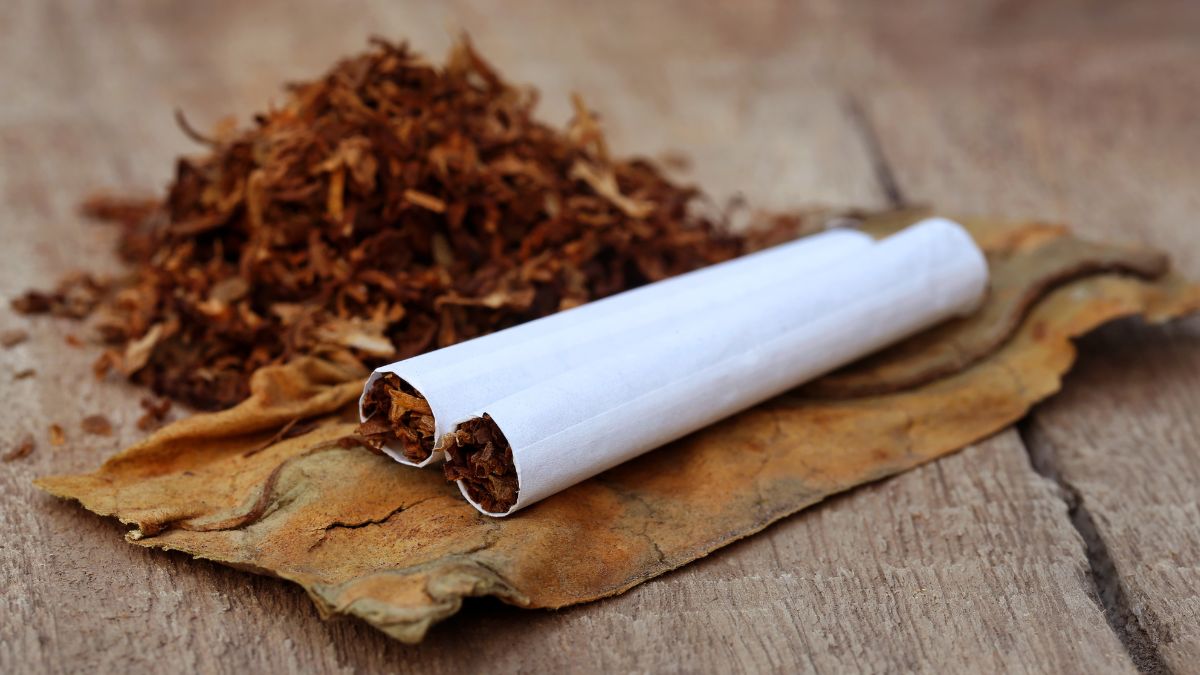
Tobacco in All Its Forms: Gutkha, pan masala, zarda, khaini and the other flavoured, scented, chewable tobacco or nicotine food products are included.
Supply Chain Constraint: The ban covers the entire supply chain, including manufacture, processing, packaging and even transport within the states. Cigarettes and bidis are currently excluded from this food-safety-based ban because they are governed under a contrasting system of taxation and excise.
The Health Mandate: Why Now?
These changes are supported by disturbing figures from the Global Adult Tobacco Survey (GATS): More than 42% of Odisha's adult population use smokeless tobacco (a significant proportion, almost twice the national average), as assessed by The World Health Organization. “Wide use of smokeless tobacco…is an imminent public health hazard, and it is deadly for children and young adults," the notification said.
One-third of all victims of cancer in Odisha have oral cancer a condition that is heavily related to products using chewable tobacco, health officials emphasized.
Legal Support and Enforcement
The ban correlates with the orders of the Supreme Court of India and the Food Safety and Standards Authority of India (FSSAI) under Regulation 2.3.4 of the Food Safety and Standards (Prohibition and Restrictions on Sales) Regulations, 2011. Enforcement will be strict, Health Minister Mukesh Mahaling said.
District drug inspectors and food safety officers have been tasked to carry out large-scale raids. Violators will be penalized with severe sanctions by means of severe monetary sanctions as well as a possible jail period under the Food Safety and Standards Act 2006.
Synergy with Central Changes to Tax Law
The ban at the state level comes as the Central Government moves to increase taxes on tobacco. Pan masala and tobacco products will be subject to a uniform GST rate of 40%, starting from 1 February 2026, along with an additional Health and National Security Cess.