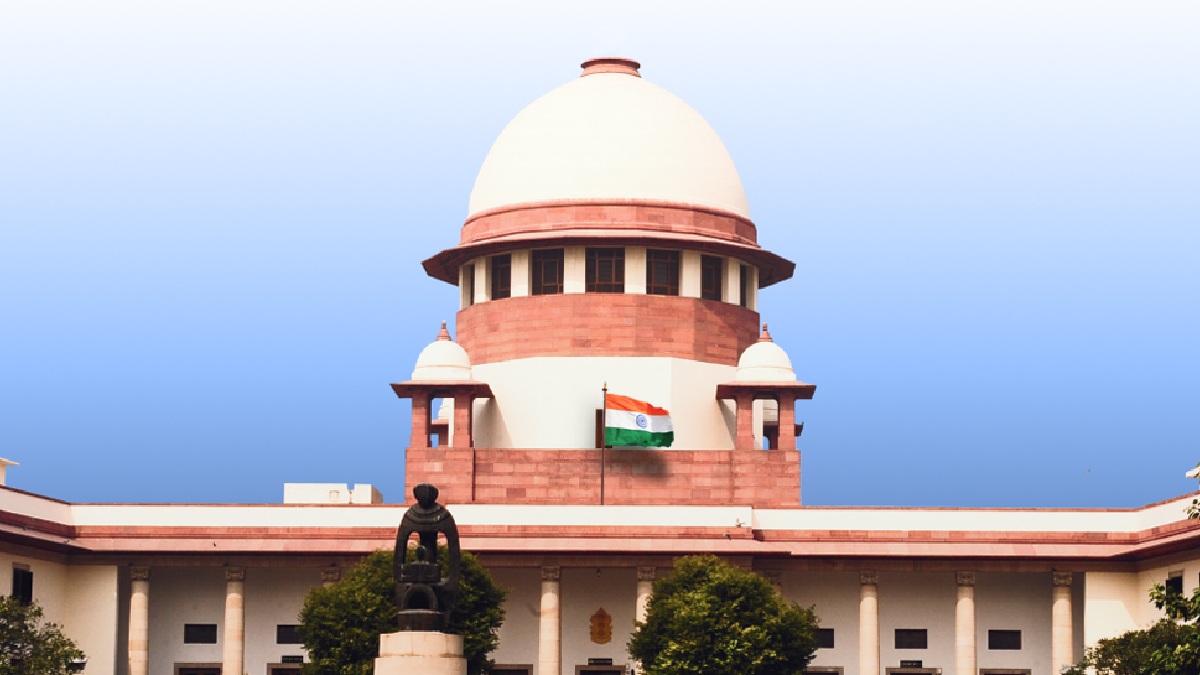
Police have identified almost 480 Pakistan-based social media accounts that spread misinformation and rumours related to the ongoing CJP protests, raising fresh concerns about coordinated online disinformation campaigns targeting public order.
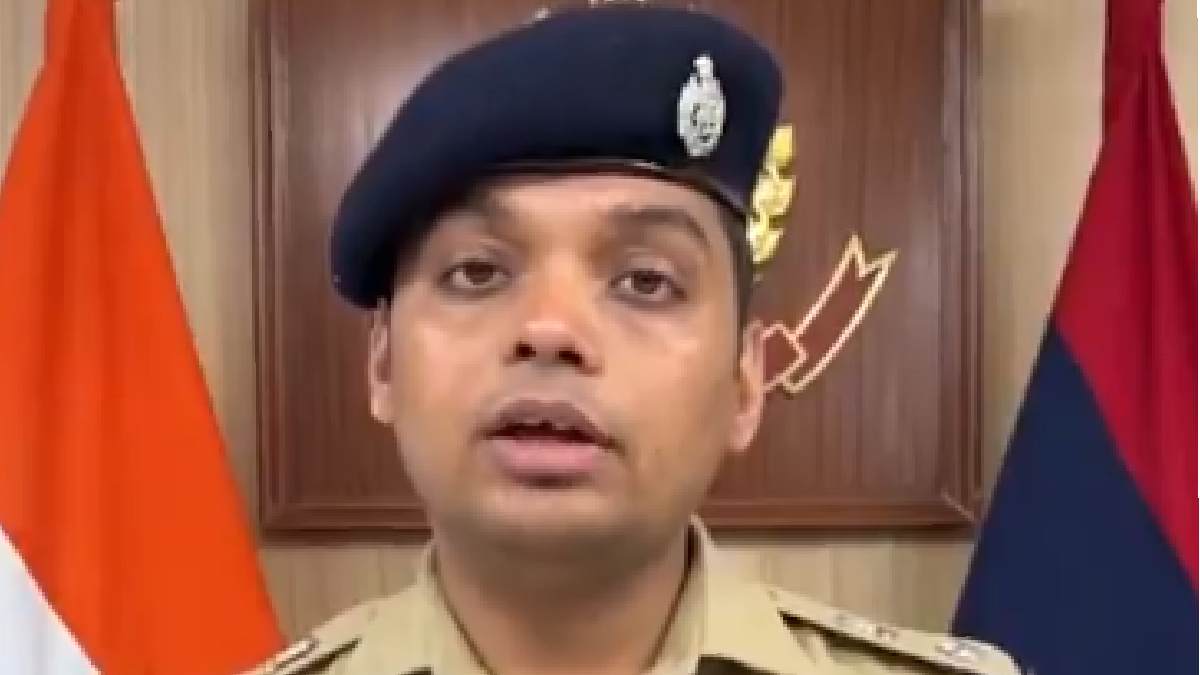
Many of these accounts were very active in the recent protests and had also been involved in online misinformation during Operation Sindoor, indicating coordination in the operation, officials said. According to investigators, these accounts were being used to propagate misleading stories, spread unverified claims, and sow confusion.
Law enforcement agencies said cyber monitoring teams saw a sudden surge in images that were edited and contained misleading messages about the demonstrations. This may have been done to sow panic on social media because some of these posts were meant to show false images and to make people see things differently, they said.
The police have said digital forensic experts have traced many of those accounts to Pakistan-based networks. The investigation is ongoing, but authorities believe the accounts were part of a larger campaign to manipulate online conversations surrounding the protests, they said.
480 Pakistan-based social media handles involved in coordinated misinformation campaigns were identified and blocked.
— Delhi Police (@DelhiPolice) July 23, 2026
Delhi Police appeals to students and youth to be wary of such foreign accounts spreading rumours to mislead the situation.@LtGovDelhi #DPUpdates pic.twitter.com/SXzwXosDGr
Now cybercrime units work with social media companies to identify more accounts, remove harmful content, and stop the spread of fake news. Authorities have also encouraged people to check whether news is true before they share it and only report it from the official government agencies or trusted news organisations.
The officials warned that forwarding unverified messages, videos, or screenshots can unintentionally contribute to misinformation campaigns. They advised users to check their viral posts before they react to or share them, particularly when they are happening in public or in law-and-order situations.
And it is a new issue that will only get more complex in the future in fighting digital misinformation. Organised online campaigns can spread false information in seconds, so it is much more difficult for officials to contain rumours before they become public perception.
Cybersecurity experts have long warned that foreign-based influence operations often leverage politically sensitive events to exacerbate divisions and create confusion. Such campaigns typically lean on fake profiles, automated bots, and coordination in posting strategies to make misleading content seem credible and generally supported.
But police continue to monitor social media and have urged the public to watch out for fake news. Any person who intends to produce and transmit false news is going to be held accountable for it and will face legal action, investigators said.
The police explained that misinformation in protest periods can cause panic, violence, and disrupt law enforcement efforts as well. “If people don’t trust social media, the people will be hurt,” they said.
The investigation into the suspected Pakistan-linked accounts is ongoing, officials said, and more findings could be released as cyber experts still study online activity related to the protests.