The Supreme Court on Monday, September 7, 2026, said it will wait for the Centre to clarify its position before deciding a date for hearing a batch of petitions seeking criminalisation of marital rape. The sensitive subject is expected to come up before a three-judge bench headed by Chief Justice of India Surya Kant.
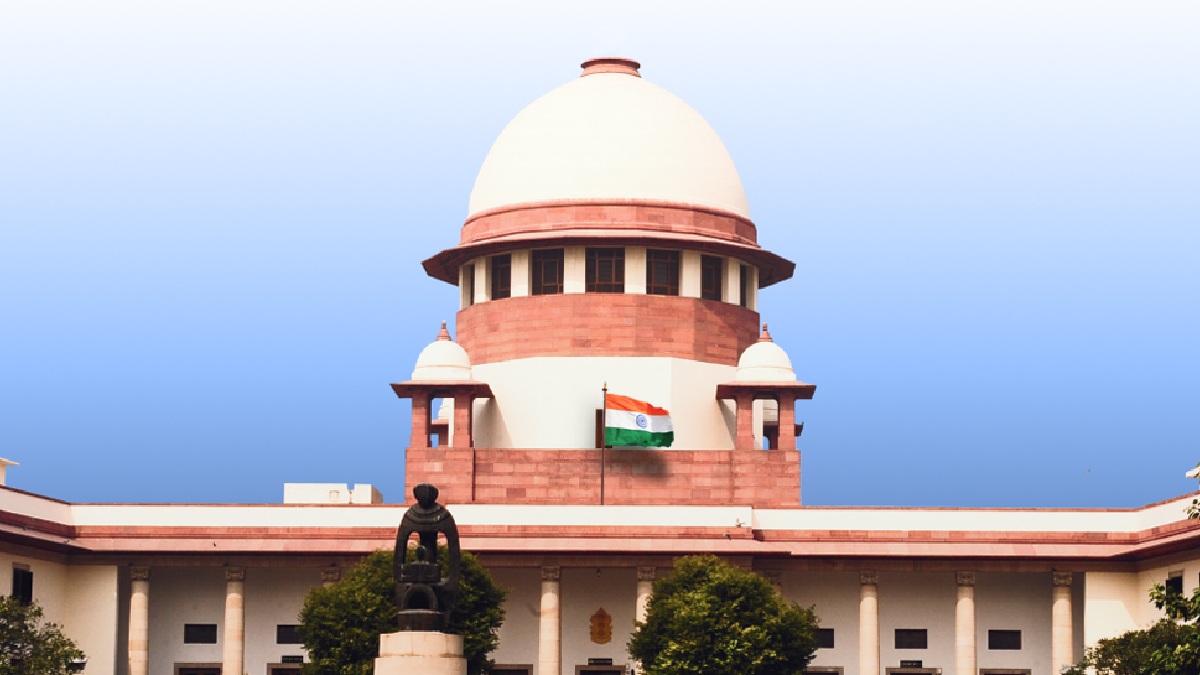
The development came after senior advocate Indira Jaising mentioned a petition for the prosecution of a husband for allegedly committing marital rape. Jaising asked the bench to list the matter for hearing in November, calling the court’s attention to the need for the petitions to be taken up together.
The Supreme Court, however, said it would first wait for the response and stand of the central government before giving a date. The court’s decision means the next step in the long-running legal challenge will depend in a significant way on the Centre’s response to the petitions.
The petitions before the Supreme Court raise questions of marriage and whether existing criminal law protects married women from husbands’ non-consensual physical sex. The matter has been a subject of widespread legal and social debate and petitioners have asked for the removal or reconsideration of the exception under the rape law which protects the husband if that is the case.
Under current law, the marital rape exception has distinguished between sexual violence by a husband against his wife and rape outside marriage. Petitioners have claimed that marriage cannot be regarded as automatic or continuing consent and that a wife’s right to bodily autonomy should be respected regardless of her marital status.
The matter has also raised questions about the relationship between constitutional rights and criminal law. Those who challenged the exception have argued that denying married women the same protection as other women would violate equality, dignity, personal liberty and bodily autonomy. The Centre’s position is therefore expected to be significant as the Supreme Court weighs the broader legal and constitutional implications of the issue.
The marital rape debate has been before Indian courts for years. Different High Courts have already considered the issue and have different legal opinions. The Supreme Court’s ultimate decision in regard to the combined petitions could have far-reaching implications on sexual consent in marriage and on criminal law as well.
The Centre’s response will likely be closely watched because the government’s position could determine the contours of the proceedings before the three-judge bench. Once the response is put before the court, the bench is expected to consider the appropriate course of action, including scheduling the petitions for detailed hearing.
For now, the Supreme Court has not set a date for November. Jaising’s request to list the matter in November would be a sign of the petitioners’ desire for the proceedings to move forward without further delay. The court’s decision to wait for the Centre’s response indicates that the attention is in the immediate period of time on receiving the government’s response and deciding when to take on this matter again.
The case is crucial from a criminal-law perspective but also for women’s rights and the legal framework of consent in marriage. A future ruling by the Supreme Court could determine the way Indian law treats sexual violence in marriages and for that matter have a bigger impact on the country’s criminal justice system.
The Centre’s response is now awaited; we now turn to the next listing before the Supreme Court. The three-judge bench headed by CJI Surya Kant will ultimately decide when the petitions are taken up and how the legal challenge to the marital rape exception should proceed.