August 14 is observed as Partition Horrors Remembrance Day in India as a day to remember the immense human suffering of 1947. It is celebrated exactly one day before Independence Day and allows us to reflect on the trauma of this painful chapter of India's modern history while also recognizing the strength and determination of millions of people who fought to rebuild their lives after the loss of their homes, communities and livelihoods.
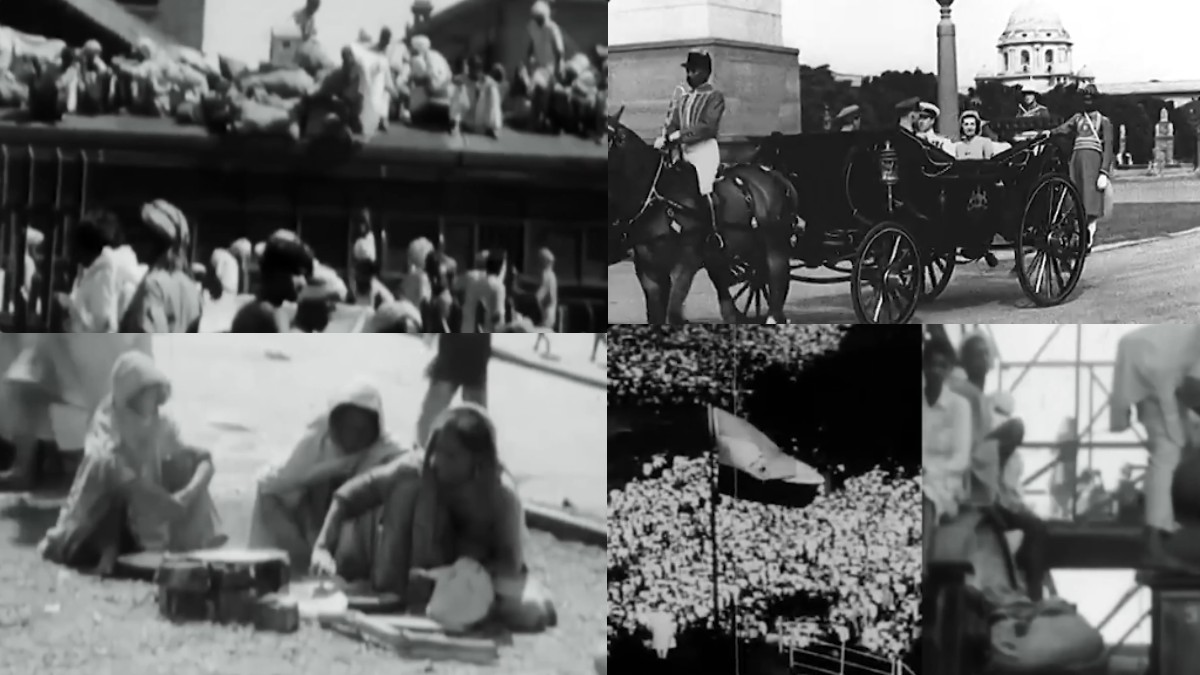
The Indian government decided in 2021 to make August 14 Partition Horrors Remembrance Day following Prime Minister Narendra Modi's declaration.
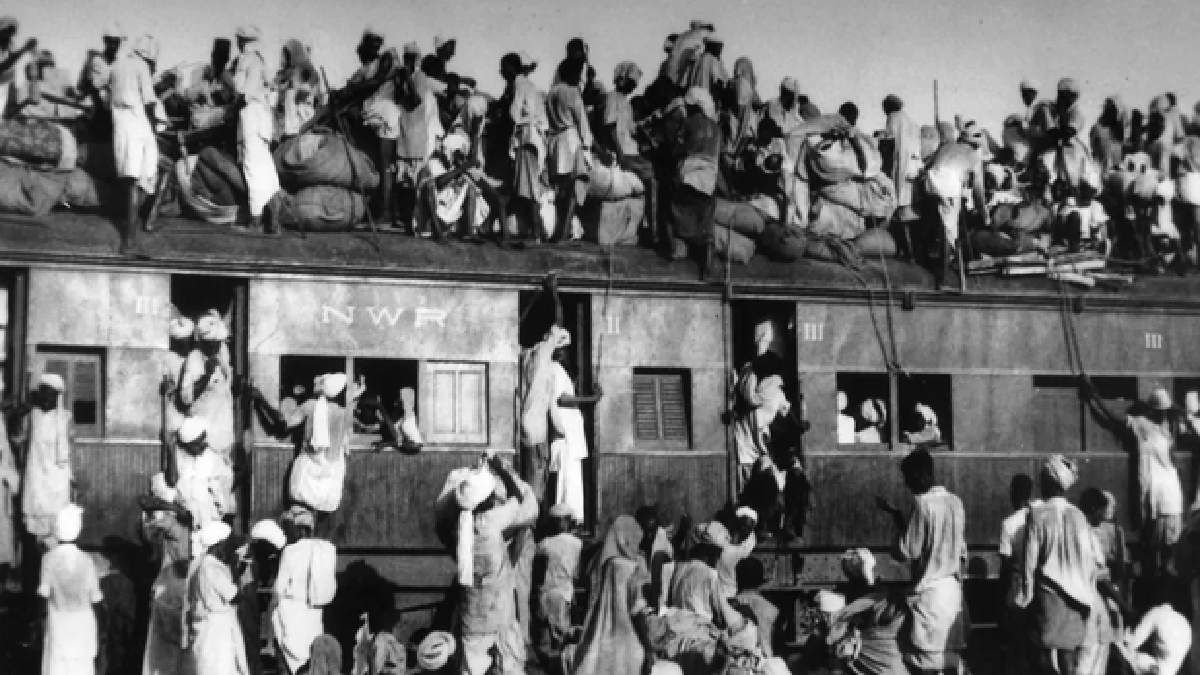
Partition of British India in 1947 brought together India and Pakistan, which led to one of the largest mass migrations in modern history. Families were divided, communities were destroyed and millions left the villages in which they had lived for generations. The Press Information Bureau has estimated that migration affected around 20 million people, but many families left ancestral villages and towns and cities to find safety and start again elsewhere.
We are not just talking about a political story in history books. It’s an intensely personal experience for families to have to live without homes, possessions, livelihoods and familiar places. People who have worked for decades to build communities had to restart. Families had to bring only what they could carry, and others were separated from relatives during the upheaval. The effects of Partition were felt long after the war for families and communities.
Partition Horrors Remembrance Day was created to ensure these experiences are not forgotten. In 2021 the government’s announcement that the day would honour those who lost their lives and those displaced from their roots. It also stressed the need to remind present and future generations of the pain and suffering in Partition.
Thus, the observance is very closely connected to the meaning of Independence Day. August 15 is a moment of freedom from British colonial rule, but August 14 is a moment of reflection on the enormous human costs that came with the political transformation of the subcontinent. Both aspects of India’s independence, however, can be remembered in a much more holistic way.
Partition also has some really remarkable stories of resilience. Families who came to other places with little to no money had to work, find jobs and establish neighbourhoods and have a role in the building of the communities in which they’d settled. There are examples as to what it takes to survive such a great deal of hardship in life with persistence and hope.
For younger generations, Partition Horrors Remembrance Day can give family memories, books, museums, archives and educational talks to people that they are learning about history.
Personal stories can help students understand that major historical events affect ordinary people in profound ways. But learning history is not all about the fact that we have documented evidence but rather about rumour-making and stereotypes and stories that can make a society more divided.
The day also conveys the message of peace and social harmony. When societies recall events of violence and displacement, they should not be motivated to incite hatred against communities. But remembrance would help the next generation to understand the impacts of intolerance and division in society.
The official announcement in 2021 specifically suggested that such an observance would help in promoting peace and unity and human values.
Narendra Modi's decision in 2021 to declare August 14 as Partition Horrors Remembrance Day was made in his vision for the day of our country and to honour the suffering and struggle of the people who were displaced from India when Partition occurred and to remind all of us of the need to overcome social divisions and bring India together.
And it has also been used to highlight the resilience of people affected by Partition. In 2025 the Prime Minister's Office called the day a day for honouring those who survived the upheaval and the grit and strength of people who were there for it and saw some people who experienced such great loss recover and have achieved their dreams.
That emphasis on rebuilding is an essential aspect of Partition’s legacy. The 1947 story is full of suffering but also people who refused to let tragedy determine the rest of their life. Refugees established businesses, studied to become teachers, entered public service and contributed to cities and villages in India. They were part of the larger story of independent India.
Remembering Partition also teaches you to value the peace and stability that later generations have inherited. The experience proved how quickly ordinary life can be disrupted when fear, hatred and violence overwhelm social relationships. Learning from such experiences can encourage greater respect for diversity and peaceful coexistence.
For schools and educational institutions, August 14 can be an appropriate occasion for age-appropriate history lessons, discussions and presentations about Partition.
Students can explore timelines, historical documents and personal accounts while learning about the political circumstances surrounding independence. Such education can help young people understand the complexity of history without reducing it to simplistic narratives.
Partition Horrors Remembrance Day is also a reminder that historical memory belongs to families and communities as much as it belongs to textbooks. Many families continue to preserve stories passed down by grandparents and older relatives. These memories can provide valuable insight into how historical events affected ordinary people, although personal recollections should be considered alongside reliable historical research.
As India prepares to celebrate Independence Day, August 14 provides a moment for reflection before the national celebrations begin. The day honours those who suffered during Partition and recognises the determination of those who rebuilt their lives after displacement. It also encourages a forward-looking message: remembering difficult history should help society work toward greater peace, empathy and unity.
The significance of Partition Horrors Remembrance Day extends beyond remembering a single historical event. It is about understanding the human consequences of political upheaval and recognising the importance of protecting social harmony. The official observance was created with the stated aim of ensuring that the sacrifices and suffering of those affected are not erased from public memory.
#WATCH | August 14 marks Partition Horrors Remembrance Day, remembering the millions who lost their homes, loved ones and livelihoods during the Partition of 1947. The mass displacement and violence left a lasting scar, but countless families showed remarkable courage by… pic.twitter.com/xVXakTwGok
— DD News (@DDNewslive) August 14, 2026
Ultimately, August 14 asks Indians to remember 1947 with sensitivity and historical awareness. The millions affected by Partition experienced loss and uncertainty, but many also demonstrated extraordinary courage in rebuilding their lives. Their stories form an important part of India's journey as an independent nation.
As Partition Horrors Remembrance Day 2026 is observed, the central message remains one of remembrance, resilience and responsibility. Remembering the past does not mean remaining trapped in it.
Instead, understanding the pain of history can encourage future generations to value peace, reject hatred and strengthen the bonds that hold diverse communities together. In that sense, August 14 serves not only as a day of remembrance but also as a reminder of the importance of building a more peaceful and united future.