Pune: The Pawana Dam in Maharashtra has reached 96 per cent of its storage capacity, as heavy rainfall continues in the catchment area and authorities have recommended discharge of water in Pawana River and warning of villages and settlements along the riverbanks.
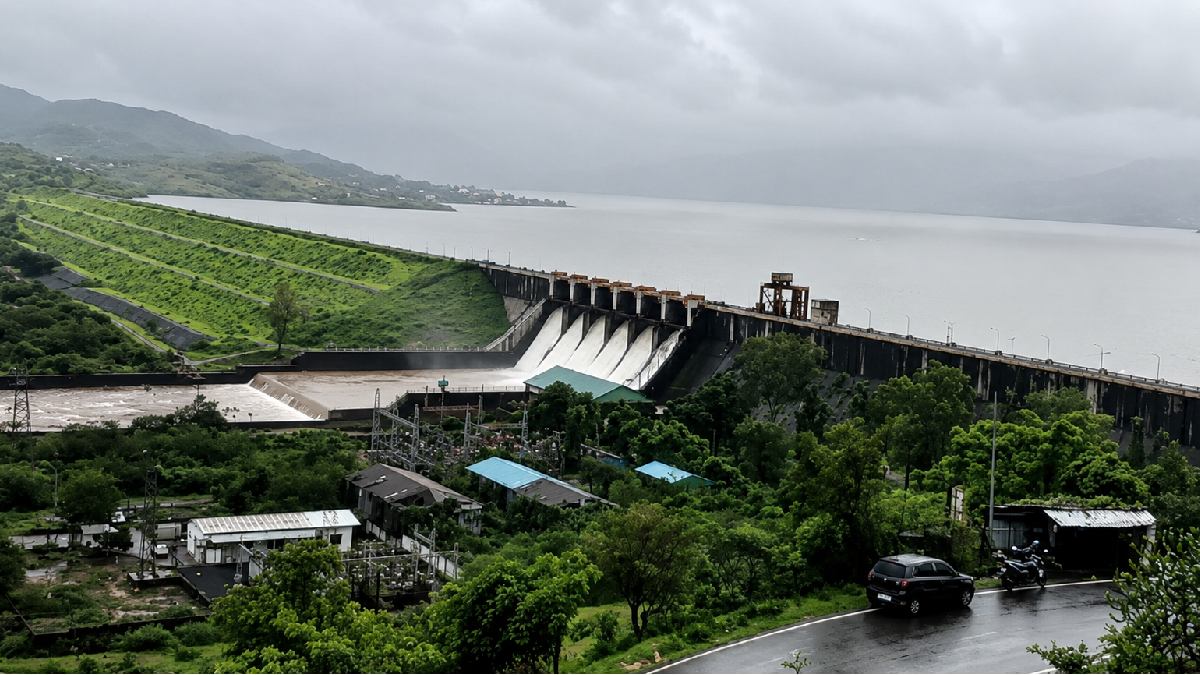
The dam was only 96 per cent of its capacity at that time because heavy rain led to a sharp rise in inflows (data released on July 24). In order to control the reservoir levels and control the amount of water that enters the dam, 3,420 cusecs of water will be released into the river channel.
The release came on top of an existing discharge of about 1,400 cusecs and the total outflow is approximately 4,820 cusecs. The discharge could be increased in stages if heavy rain and inflows into the reservoir continue to occur, said authorities.
Neighborhoods and villages along the Pawana River have been advised to stay alert and avoid entering the river or going close to its banks. Farmers, fishermen and those living in low-lying areas have also been warned to stay away because of high water levels after dam releases as water levels can rise quickly after dam releases, especially when rainfall continues upstream.
The current development takes place at the height of monsoon season in Maharashtra, when water levels in many reservoirs in the Pune area have increased rapidly. Dam authorities typically manage storage by releasing water when reservoirs are approaching their capacity level, especially when fresh inflows are expected.
Why Pawana Dam Is Important
Pawana Dam is one of the major water reservoirs in Pune region. Being built along the Pawana River, it plays a major role in providing water to Pimpri-Chinchwad and parts of the Pune region. The Pawana reservoir has also emerged as one of the most popular tourist destinations due to its natural environment and proximity to Lonavala and Sahyadri hills.
The reservoir and the river system are therefore absolutely essential in terms of water supply but also for farming, local communities and tourism activity.
But the same geography can pose risks during strong monsoon rain. When the reservoir fills so rapidly, authorities have to balance the need to store water for future use and the need to keep safe storage levels before further heavy rain arrives.
Previous Monsoon Releases Have Raised Similar Concerns
The current alert follows a familiar pattern in Maharashtra during periods of intense monsoon storms. In July 2026, authorities also had to control releases from other major reservoirs in and around Pune after heavy rain caused water levels to rise rapidly.
The Khadakwasla reservoir, for instance, was at full capacity before the monsoon arrived and this led to a more widespread discharge into the Mutha River and flooding in some low-lying residential areas. The incident showed how quickly water levels and downstream conditions can change when heavy rainfall occurs together with reservoir releases.
Dams across the country have also been issued alerts when reservoirs reach high storage levels. Recent examples include the opening of multiple gates at Tunga Dam in Karnataka when it was over capacity and people living adjacent to the riverbanks were warned to be cautious.
For residents living downstream of Pawana Dam, officials will closely monitor rainfall, inflows and river levels. The situation will depend largely on how much more rain the catchment areas will receive in the coming days.
Due to the dam's 96 per cent capacity, authorities are likely to continue adjusting the discharge according to inflow conditions. Residents should follow the official warning and stay away from riverbanks and flowing water when releasing more water, officials have said.