PepsiCo, Monster Beverage and Reliance Industries have received partial relief from the Delhi High Court in the ongoing dispute over India’s restrictions on the use of the term “energy drink” on high-caffeine beverages.
The court’s intervention provides a temporary breather to the companies after the Food Safety and Standards Authority of India (FSSAI) ordered beverage makers to stop using the descriptor.
The FSSAI had directed manufacturers of some high-caffeine beverages to remove the “energy drink” label, citing misleading product descriptions and claims associated with such beverages.
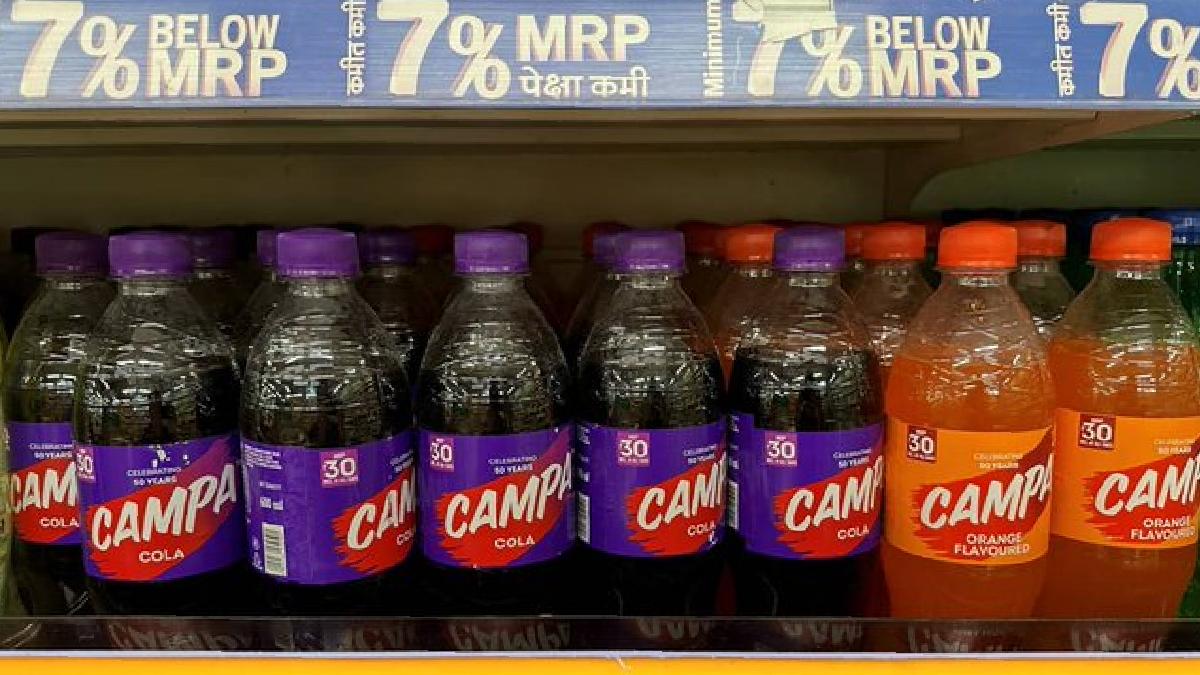
The regulator’s move affected major brands such as PepsiCo’s Sting and Adrenaline Rush, Monster Energy and Reliance Consumer Products’ Campa Energy Drink-Gold Boost.
On October 6, the Delhi High Court granted interim relief to PepsiCo and Monster in the legal fight against the regulator’s orders. The court allowed the companies to sell their existing stocks with the “energy drink” label. But the relief does not allow them to create fresh products with the same descriptor.
Reliance Consumer Products also won relief in its challenge against the FSSAI order affecting its Campa beverage business. The restriction and subsequent enforcement actions had disrupted its operations, affecting products that were labeled with the disputed label, they said.
The dispute began after FSSAI increased scrutiny of the marketing of high-caffeine beverages in India. The food category system was not to be used as a product name or labelling description, it said.
And if the claims made that such drinks could stimulate the mind, boost energy levels or increase focus were not legally valid, the regulator said, the food category system would not be used.
But the companies challenged the move in court, arguing that the sudden restrictions had major commercial implications. PepsiCo and Monster said the move could lead to financial losses and disrupted their businesses. PepsiCo also highlighted the huge number of products already using the disputed label.
The legal fight comes at a time when India’s energy drink market is booming. Retail energy drink sales in India are growing 12.6 percent a year, according to industry estimates; in the United States and China, they’re up 12.6 percent on average. And the market will reach about $1.6 billion by 2028.
For consumers, the new court orders mean that existing products carrying the “energy drink” label can continue to be sold under the interim arrangement. For manufacturers, however, the restriction on producing new stock with the descriptor remains an important limitation.
The Delhi High Court will hear the firms’ challenges in the coming weeks. What happens will determine how the major beverage companies will market and sell high-caffeine products in India in the future.
The dispute also shows how the regulatory attention to food and beverage labelling, consumer information and marketing claims is growing for food and beverage companies.