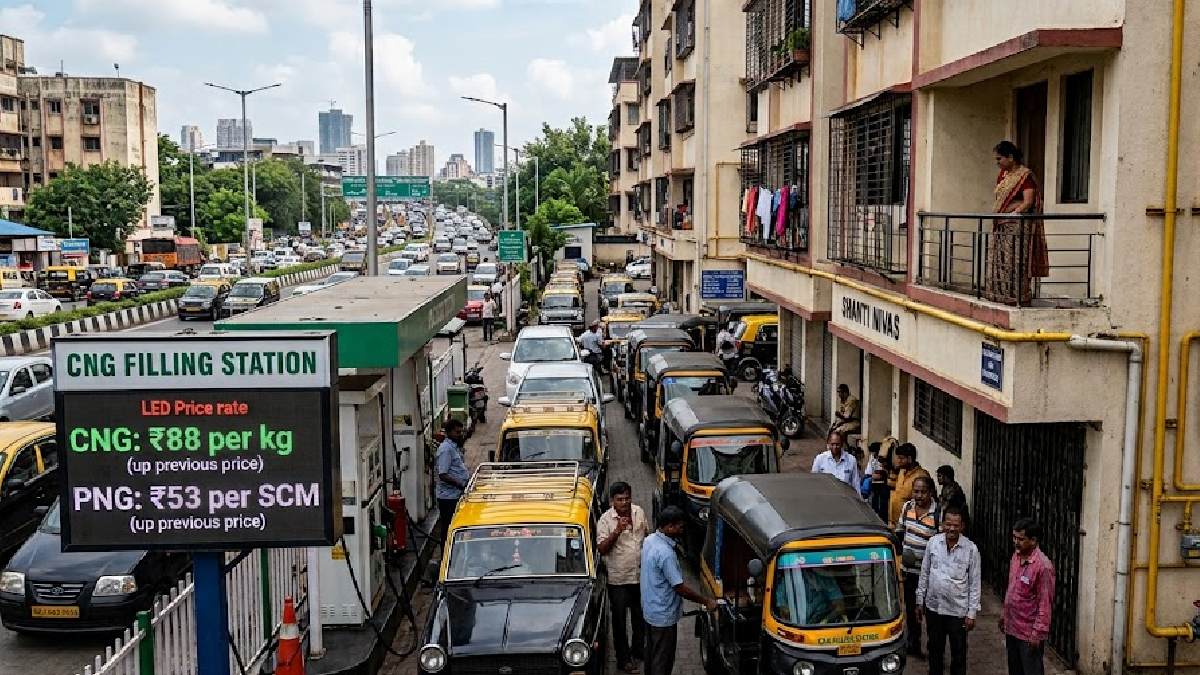
Fuel prices are still an issue for millions of automobile owners in India and the prices for petrol, diesel and CNG vary from city to city.
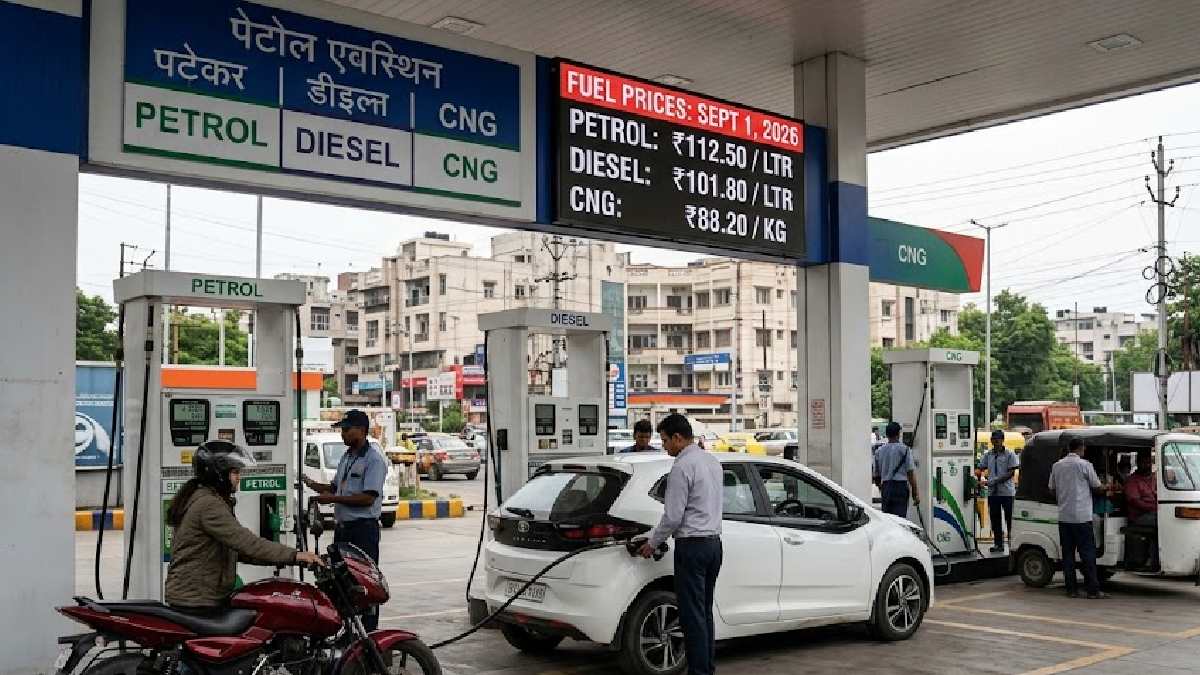
Motorists are checking the latest fuel prices now as they plan out their monthly travel and commuting expenses as September starts.
Petrol and diesel prices are influenced by crude oil prices, refining costs, transportation expenses, central taxes and state-level VAT.
As a result, the price paid by consumers can differ significantly between cities even on the same day.
Petrol and Diesel Rates Across Major Cities
In Delhi, petrol costs around ₹102.12 per litre and diesel about ₹95.20 per litre. In general, a lot of other major cities have lower fuel prices.
In Mumbai, we are selling petrol for approximately ₹111.21 per litre, and diesel at ₹97.83 per litre. Because of taxes and other charges in Maharashtra, Mumbai fuel rates are still high.
Meanwhile, petrol in Kolkata is around ₹113.51 per litre and diesel about ₹100.65 per litre. In Kolkata, the city's people still pay more for fuel than those in Delhi.
In Bengaluru, petrol is around ₹110.93 per litre while diesel is around ₹98.80 per litre. The rates are high enough that for commuters who travel long distances, the cost of fuel is a great part of their monthly budget.
For Chennai motorists, petrol costs around ₹108.60 per litre and diesel about ₹100.43 per litre. In Hyderabad, petrol is selling at around ₹115.72 per litre and diesel around ₹104.85 per litre, with the city’s petrol price being around 10% higher.
CNG Prices Also Revised
CNG users are also watching for new price changes. In Delhi, the CNG is priced at around ₹86.98 per kg. The rate is higher in Noida and Ghaziabad, where CNG is around ₹95.59 per kg and motorists in Gurugram are paying around ₹92.01 per kg.
In Mumbai, CNG prices have also seen a fresh increase. The price has risen to around ₹88 per kg since September 1. Pune motorists are also seeing a rise of ₹2 per kg in CNG prices.
What It Means for Consumers
Fuel prices directly impact household budgets, daily commuting costs and transportation costs. The small increase in fuel prices can really affect people who travel long distances each day or depend on vehicles for their work.
Motorists need to read the current price in their local fuel station before refuelling, as rates can vary depending on location and supplier.