As Brent crude oil prices have fallen to around USD 70 and were near the levels before the recent West Asia conflict, expectations are growing that Indian consumers could soon see a reduction in petrol and diesel prices. Although no solution has been reached, the Centre has indicated that it is closely monitoring the situation and if the international oil price is stable it will consider the price of fuel to retailers.
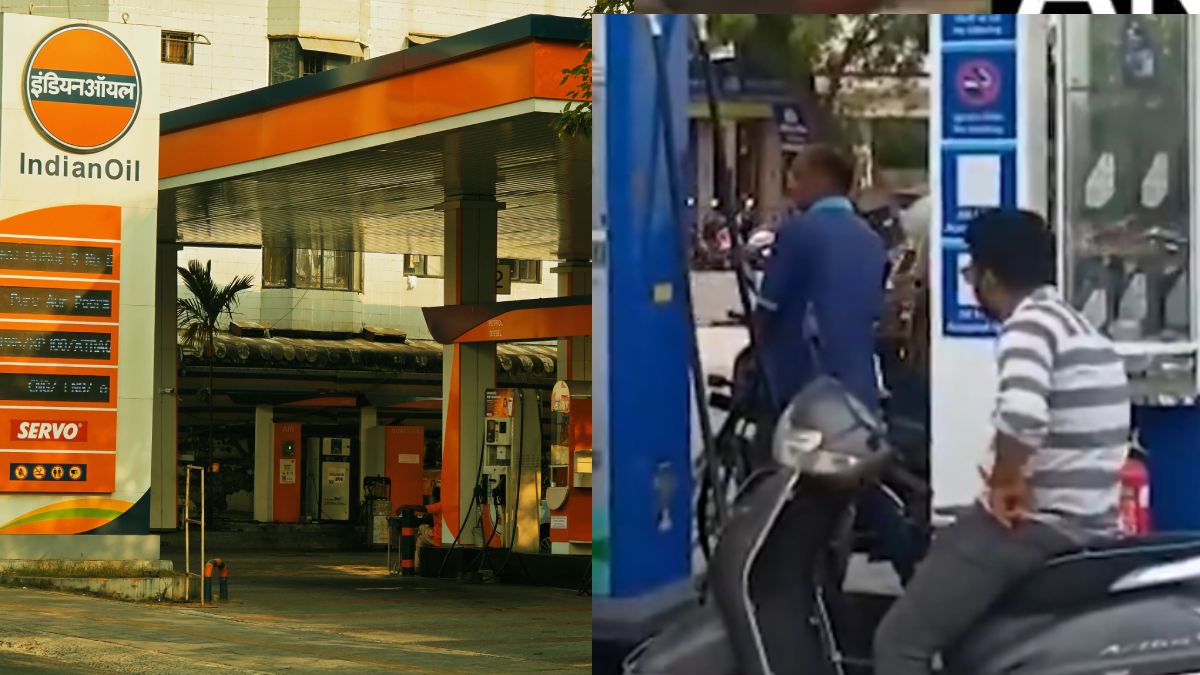
When asked about the possibility of a price cut in fuel, Union Petroleum and Natural Gas Minister Hardeep Singh Puri said the government would reassess the pricing situation if the current decline in crude oil prices continues over a sustained period.
"The prices are fixed on the basis of supplies procured a couple of months back. If the situation persists, we will relook it," Puri said, suggesting that any decision on reducing retail fuel prices would depend on the long-term trend in global crude markets, not on short-term fluctuations.
The minister added that Indian oil marketing companies (OMCs) are currently refining crude oil that was purchased when international prices had surged sharply during the peak of the West Asia conflict. So far, the benefits of the recent fall in crude prices have not yet reached the consumers at petrol pumps.
In Puri's view, the OMCs are still bearing the cost of high-cost crude purchases made during the war. Public sector oil companies were also suffering Rs 74,781 crore losses in the period leading up to June 30 by selling petrol, diesel and LPG at below cost, he said. Despite the geopolitical tension, he said India did not suffer any disruption in fuel supplies and no long queues at fuel stations throughout the country.
Retail fuel prices in India had risen by nearly Rs 7.50 per litre after the outbreak of hostilities in West Asia. At first, the government cushioned the impact by curbing import duties on crude oil and petroleum products. But with the increase in world prices, retail fuel prices were gradually driven up to reflect higher procurement costs as global prices were rising.
Puri defended the government’s handling of the fuel price situation and said that India’s petrol prices were much lower than the petrol price rise in other developed countries and neighbouring countries. Analyzing data between June 22 and June 26 for the period, he said petrol prices in India increased by about 5 percent, while France rose by 17.74 percent, Germany by 19.05 percent and Italy by 18.39 percent.
VIDEO | Union Minister for Petroleum and Natural Gas Hardeep Singh Puri says, "...Over the past four years, the price of petrol in Delhi has increased from around ₹96 per litre to ₹102 per litre. I also explained the reason for this. The Central Government decided to reduce the… pic.twitter.com/SWmyc8dsOi
— Press Trust of India (@PTI_News) July 2, 2026
The minister also mentioned comparisons with neighbouring countries, saying that petrol prices increased by 39.77 percent in Pakistan and 36.66 percent in Sri Lanka, 20.3 percent in Nepal and 42.69 percent in Bangladesh. He said these figures demonstrate that India's fuel price management protected consumers from the full impact of the sharp spike in global crude oil prices.
Brent crude prices had soared to nearly USD 120 per barrel as West Asia erupted into unrest and the Strait of Hormuz was temporarily shut down, raising concerns on global oil supply. In that time, Indian oil marketing companies were reported to have absorbed daily under-recoveries of Rs 2,400 crore to ensure that the supply of fuel across the country could not be disrupted.
Since then, international crude prices have declined steadily after the geopolitical tension eased and the United States and Iran signed a memorandum of understanding (MoU) to resolve the war. The decline in oil prices has revived hopes that the Indian fuel prices might be revised downwards if the crude market remains softer.
Also to the surprise of many, private fuel retailer Nayara Energy recently announced a reduction of Rs 5 per litre in petrol and Rs 3 per litre in diesel prices in its network of more than 7,000 fuel stations. The move has fuelled speculation that public sector oil marketing companies could also consider price cuts if international crude prices remain stable in the coming weeks.
But consumers will have to wait, as the government insists that any decision on revising retail petrol and diesel prices will depend on the sustainability of lower crude oil prices and the inventory costs currently being borne by oil marketing companies.