Narendra Modi chaired the 52nd meeting of PRAGATI (Pro-Active Governance and Timely Implementation), the government's flagship ICT-enabled platform that aims to monitor key projects, hear public complaints and ensure coordination between the Centre and State governments.
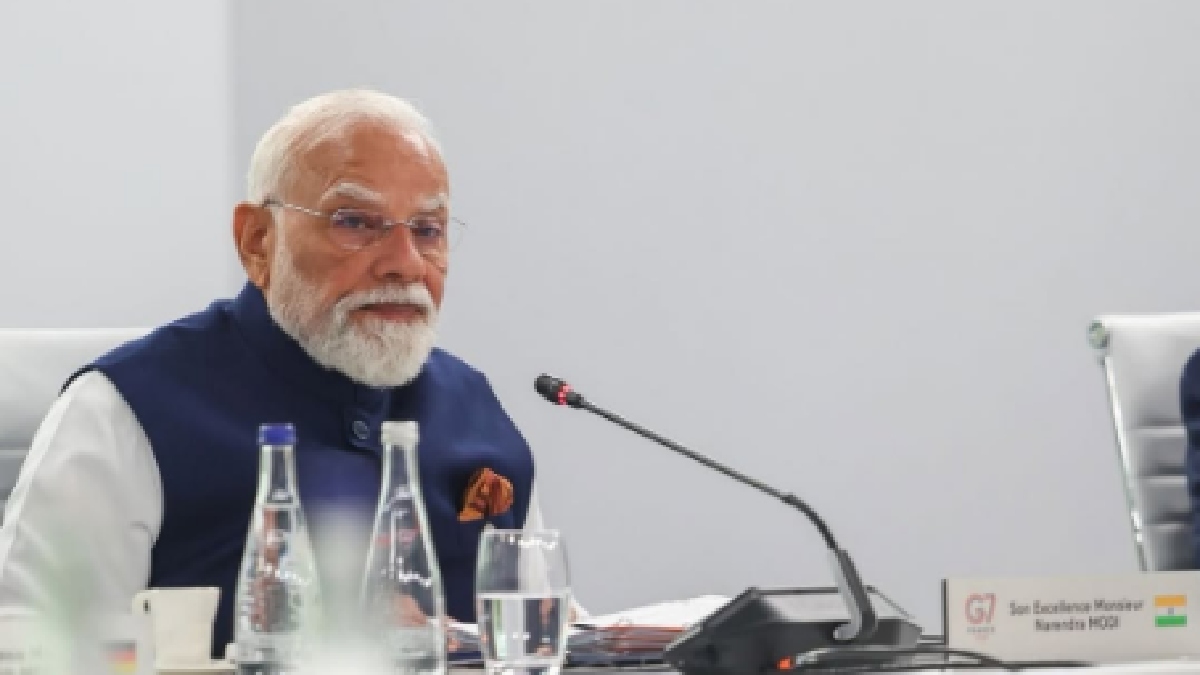
The high-level review meeting focused on three key areas shaping India’s development agenda: major infrastructure projects worth over ₹30,000 crore, the ongoing TB Mukt Bharat Abhiyan, and the growing threat of cybercrime and digital arrest frauds.
The meeting emphasized the government’s focus on technology-driven governance, timely project execution, public health transformation and citizen protection in the digital era.
PM Reviews Infrastructure Projects Worth ₹30,000 Crore
One of the major highlights of PRAGATI meeting was the review of four major infrastructure projects across four states. The projects cover strategic sectors such as road transport, power, industrial corridors and metro rail connectivity.
These projects together will cost almost ₹30,000 crore, and should greatly enhance economic activity, connect people together, and improve logistics efficiency and industrial development.
Modi argued that delays in infrastructure projects not only drive up the cost of them but prevent the citizens and businesses from getting their benefit in line with their intended development.
"Every delay results in cost escalation and slows down development outcomes," the Prime Minister emphasized while directing ministries and state governments to resolve pending issues on a mission mode.
He encouraged officials to work on continuous monitoring, faster decision-making and coordination among stakeholders to avoid bottlenecks that hinder large-scale projects and to ensure that they don’t keep up with the fast moving projects.
PM GatiShakti to Play a Bigger Role
PM Modi also emphasized the importance of the PM GatiShakti National Master Plan that integrates infrastructure planning across sectors through a digital platform.
He called for regular updates of project-related data including utility networks, approvals, land acquisition status, infrastructure layers, and field-level developments.
As stated by the Prime Minister, real-time information sharing through PM GatiShakti can help authorities identify potential obstacles early, improve coordination among departments and accelerate project completion timelines.
The government’s goal is to construct a more integrated infrastructure ecosystem that is suited for India’s long-term economic growth plans.
AI to Strengthen TB Mukt Bharat Abhiyan
The Prime Minister also reviewed progress made on the TB Mukt Bharat Abhiyan, one of India’s most ambitious public health campaigns that aims to eradicate tuberculosis.
To underscore the impact of technology in healthcare, PM Modi suggested adopting Artificial Intelligence (AI) to improve disease detection, patient monitoring, treatment tracking, and data-driven decision making.
He also suggested a more active involvement of NCC cadets and MY Bharat volunteers in awareness campaigns, patient support programs, and community outreach activities.
Health experts believe that integrating AI technology and grassroots awareness efforts can help India to rapidly overcome tuberculosis so that it is eliminated even before international targets.
Yesterday, chaired the 52nd PRAGATI meeting, during which we reviewed infrastructure works worth over Rs. 30,000 crore. These works will add momentum to economic growth, connectivity and industrial progress. Emphasised the use of PM GatiShakti National Master Plan for timely…
— Narendra Modi (@narendramodi) June 25, 2026
Stronger Action Against Cybercrime and Digital Arrest Frauds
The Prime Minister also looked into citizen complaints about cybercrime, online scams and the growing number of digital arrest fraud cases reported across the country.
As PM Modi warned about the sophistication of cybercriminal networks, he stressed the need for the implementation of a coordinated and time-based response by security forces, financial institutions, telecom operators, and digital platforms.
He added that victims should not have to go through numerous departments in search of help and called for simple grievance redressal mechanisms.
The Prime Minister also said such an approach would be beneficial to the e-Zero FIR mechanism and would enable the authorities to act on cyber fraud complaints immediately, in all jurisdictions.
He also directed agencies to increase public awareness campaigns to raise awareness among citizens on online scams, phishing attacks, digital arrest frauds and financial cybercrimes.
A Technology-Driven Governance Model
The 52nd PRAGATI meeting once again highlighted the government’s strategy of using technology as a catalyst for governance reform and public service delivery.
From monitoring infrastructure projects worth thousands of crores to AI in healthcare and cyber security frameworks, the meeting reflected a bigger ambition of improving the efficiency of administration and citizen-centred management.
As India continues to grow rapidly and become one of the world’s fastest-growing economies, PRAGATI and PM GatiShakti will be crucial in making sure that development is done in a timely manner and addressing new challenges in public health and digital security.
The meeting also furthered the government’s message that infrastructure development, technological innovation, healthcare modernization and citizen safety all need to work together to support India’s long-term development objectives.