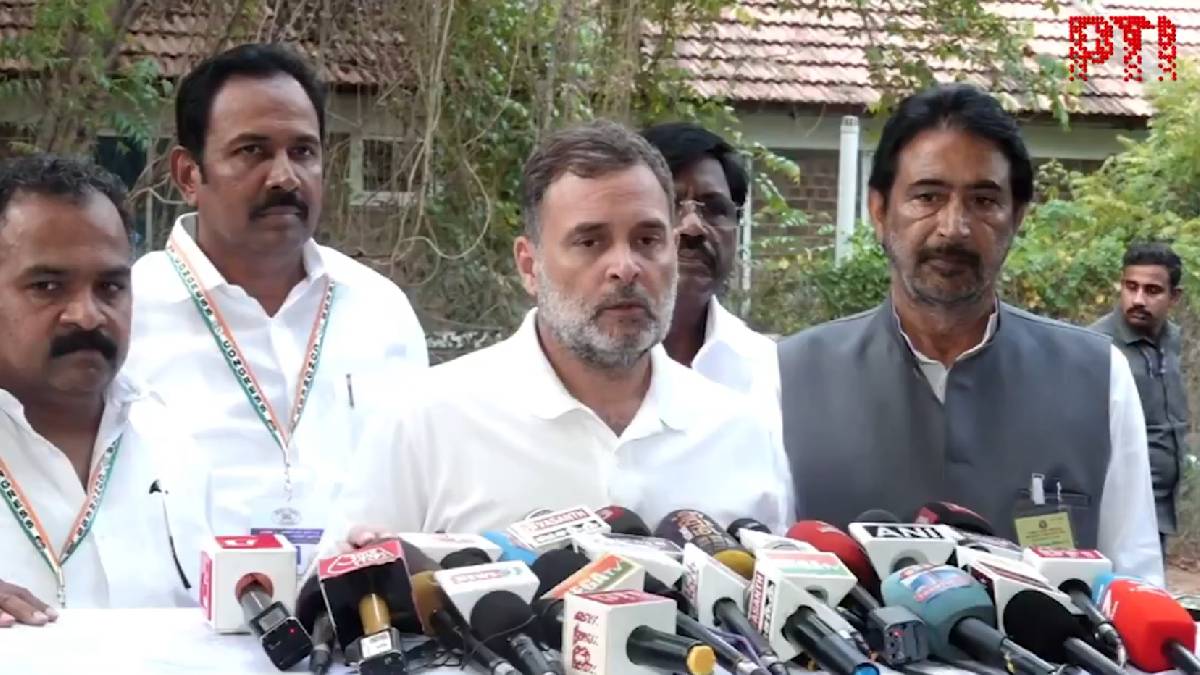
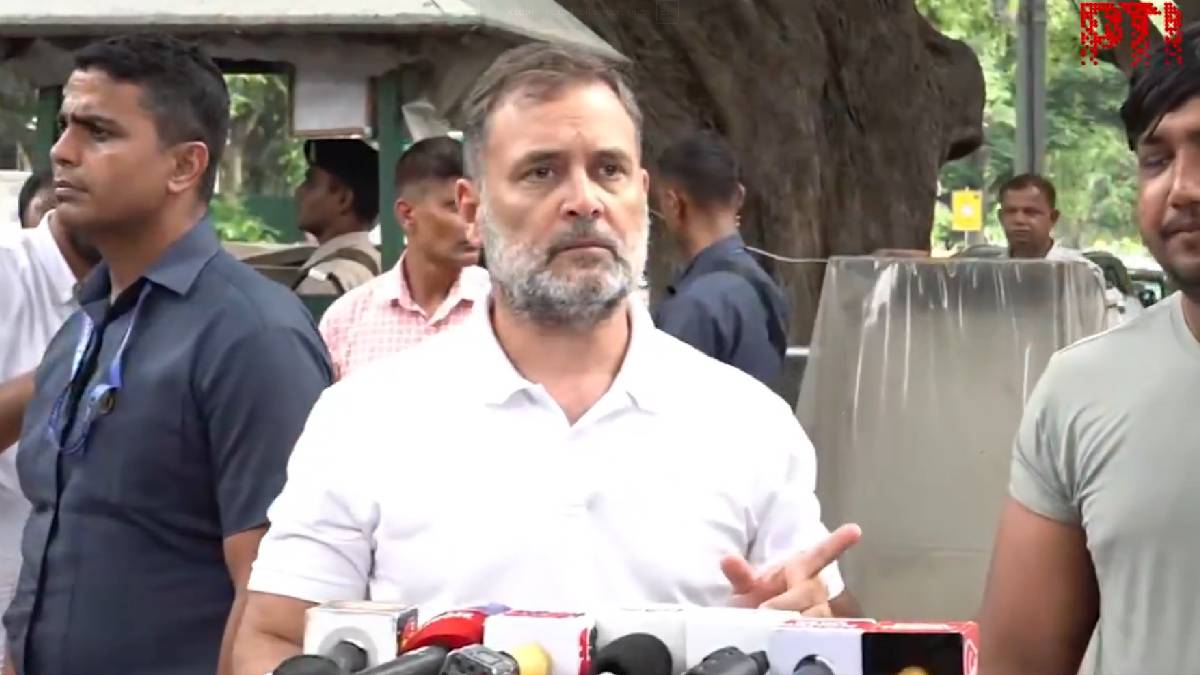
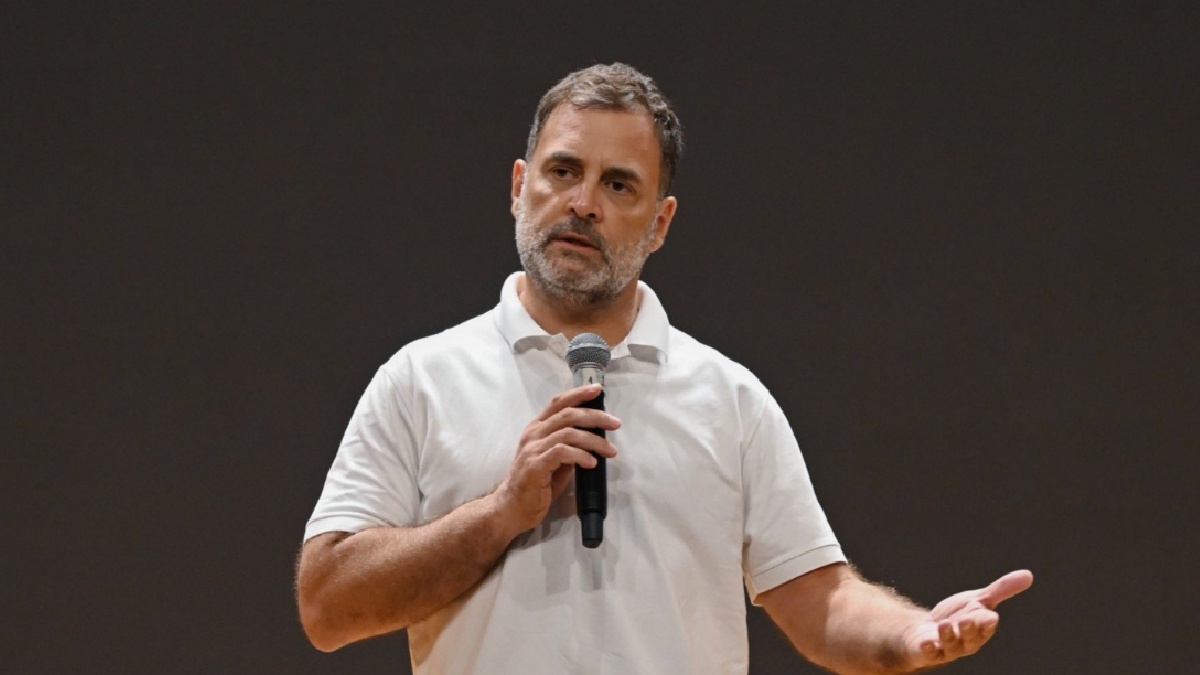
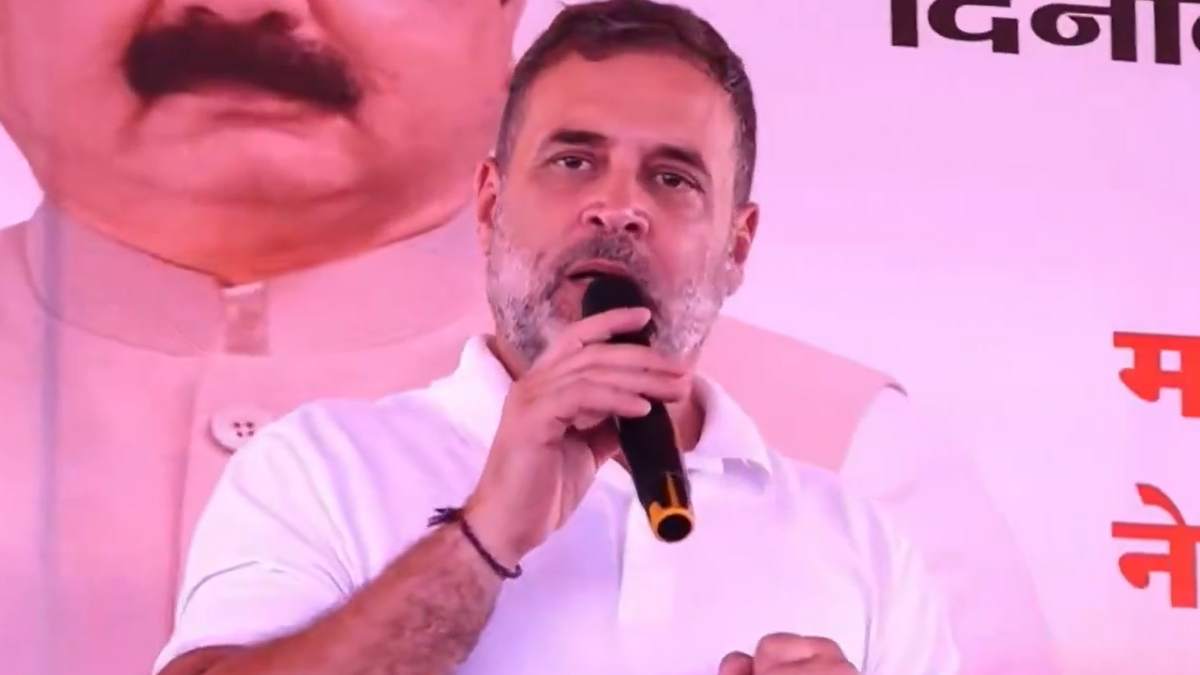
A high-stakes political fight is in progress between Congress leader Rahul Gandhi and Union Parliamentary Affairs Minister Kiren Rijiju on the women's reservation bill and its conflict with the proposed delimitation exercise. The political stalemate has paralyzed parliamentary activity during the Monsoon session and there has been a heated debate between the ruling administration and opposition parties on the implementation timeline of the landmark law and the government's insistence on linking it to a wider redrawing of electoral districts across the nation.
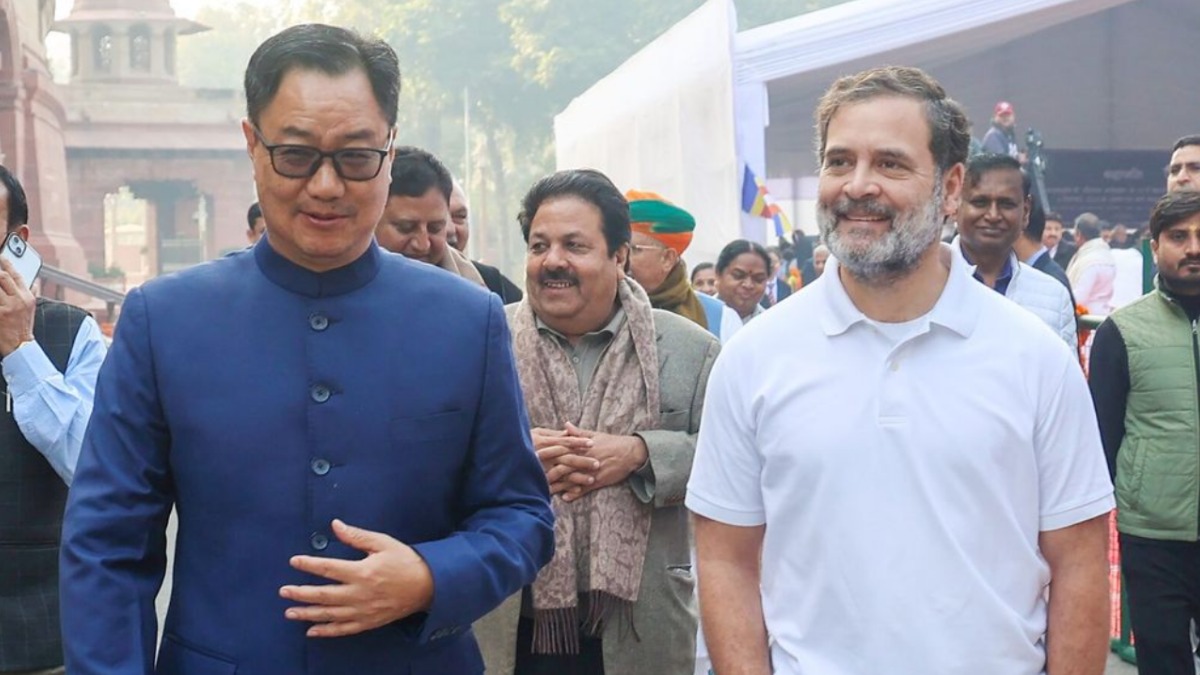
The latest verbal sparring started with Union Minister Kiren Rijiju sharing a video showing Rahul Gandhi speaking about women’s freedom of expression, and at the same time asking the opposition leader to declare their unconditional support for the constitutional amendment. Rijiju noted that this was a positive sign for the government and called on the Congress party to back the legislative process without any conditions. Rahul Gandhi said in a swift response through social media that the women’s reservation bill was also unanimous in the Parliament and had been passed by the full Congress in 2023.
This seems to be a positive message from the Congress Party. There's a visible change of heart in Shri Rahul Gandhi Ji about the Women. Now, I hope Congress Party will support the Women's Reservation Bill unconditionally. https://t.co/nSzH2C6Orf
— Kiren Rijiju (@KirenRijiju) August 8, 2026
The legislative basis for the current dispute is the Nari Shakti Vandan Adhiniyam that was passed by both Houses of Parliament in 2023 to reserve thirty-three percent of Lok Sabha and state legislative assembly seats for women. Although this legislation tied it to census data and a delimitation exercise in 2023, the government decided to do it before current elections and allow for it to be implemented in 2027. This administrative restructuring would bring the total number of parliamentary seats in India to a higher level and a third of seats will be female. The opposition parties are vehemently opposed to the link between the gender quota and delimitation and in particular, say that redrawing boundaries based on population as a whole will hurt the southern states more than northern ones and will not be fair.
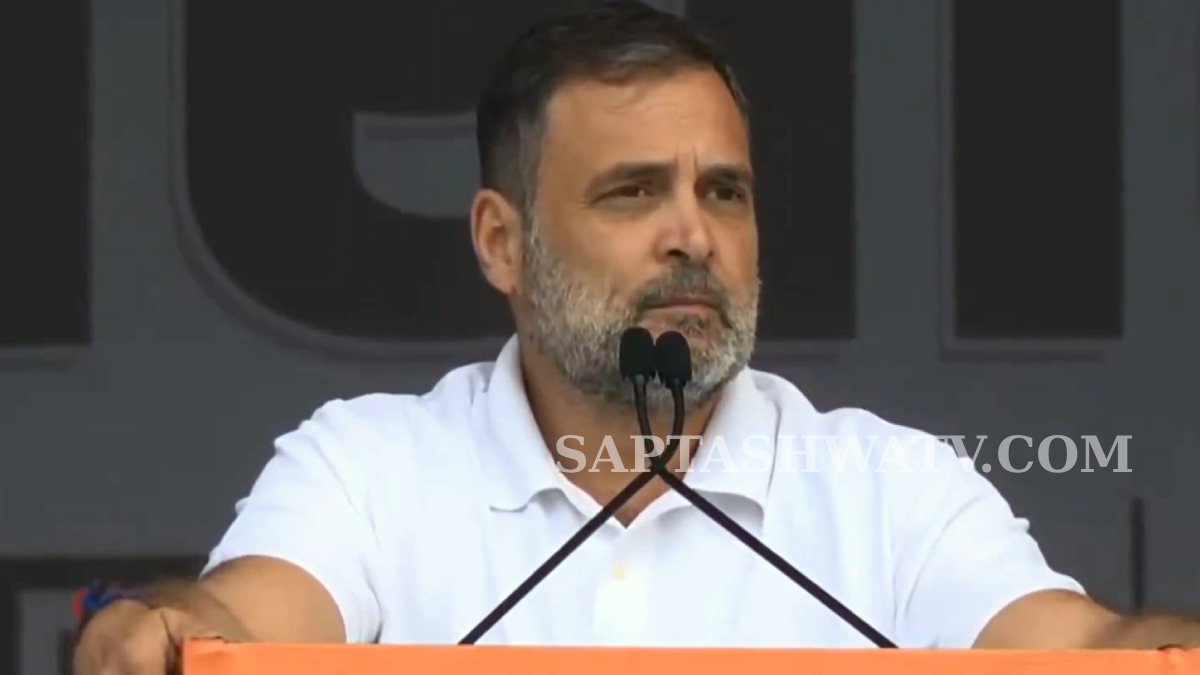
Even as the tensions are mounting, back channel diplomacy is urgent. Kiren Rijiju had direct contacts with Rahul Gandhi to build greater consensus on the constitutional amendment bill to that effect and a majority of the parliament's approval in Parliament which the ruling coalition is not able to manage independently is in demand, according to sources. The government has been more flexible about reaching out to people at times of political pressure after recent political unrest, but the opposition has said to the government that connecting women's representation and delimitation is a completely unacceptable solution. Meanwhile, the opposition has been pressing for official statements and discussions about other national matters in which they don’t agree and the legislative path forward has been complicated as political parties have yet to decide on their future strategy.