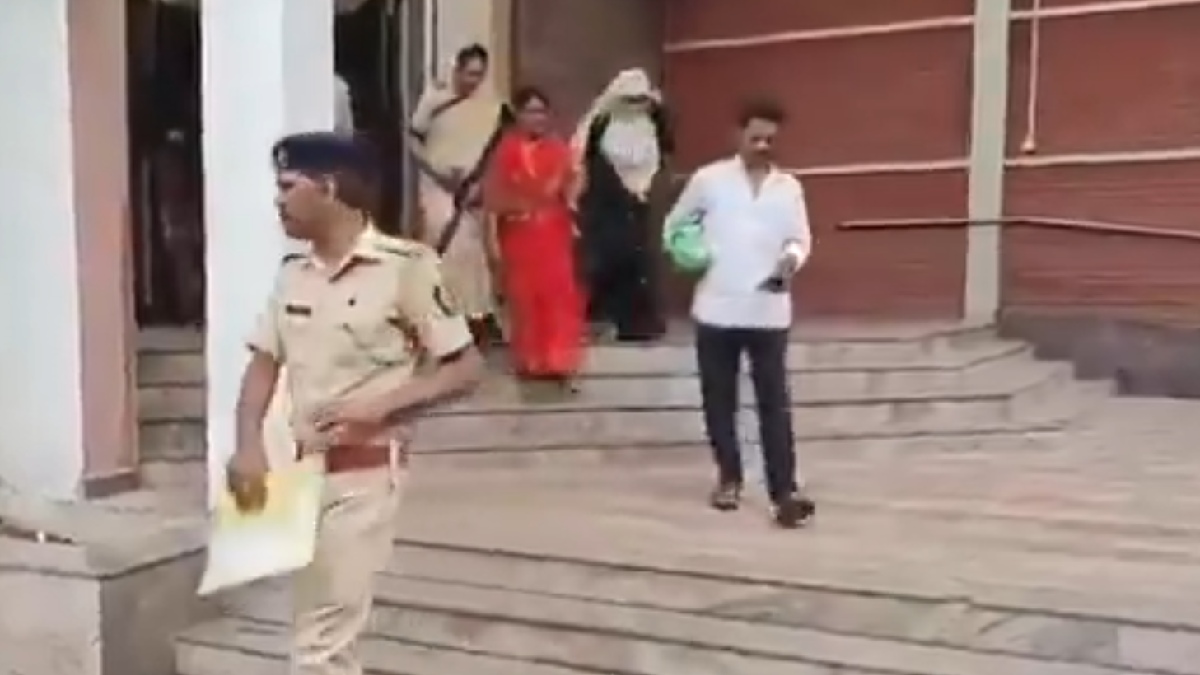
A video of a police officer carrying an injured woman on foot while a police vehicle follows closely behind has drawn criticism on social media as users question whether the incident was handled properly. The incident was on 28th August and Station House Officer (SHO) Pradeep Kumar Singh in Khairighat Police Station was seen carrying an injured woman from Thailiya village towards Dr. Shiv Sharan Singh Hospital.
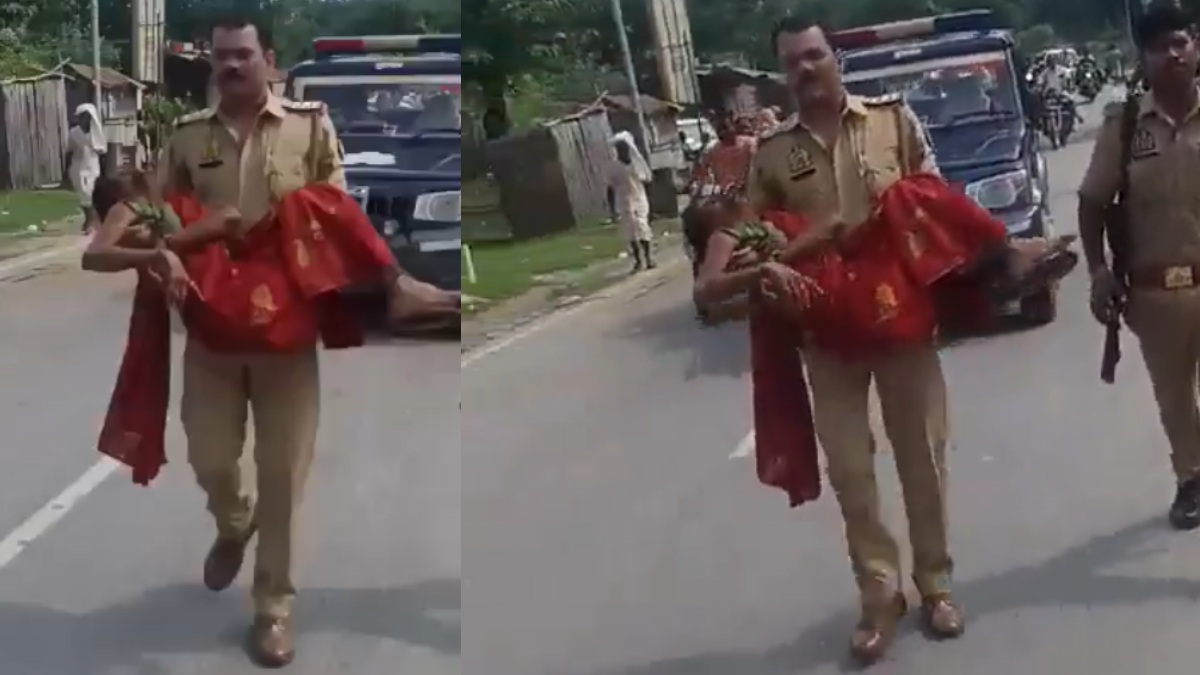
According to the video, the officer literally lifted the injured woman and walked towards the hospital. A police vehicle was seen following close behind him. Some viewers saw the officer's actions as an attempt to help an injured person reach medical care; others wondered why the woman was not immediately placed in the police vehicle that was apparently available at the scene.
The video quickly spread online and turned an incident of emergency assistance into a wider conversation about police actions and responsibilities in medical emergencies. Social media users criticised the decision to walk with the injured woman despite a police van. They argued that transporting an injured person in a vehicle could have been quicker and more practical, especially when immediate medical attention was required.
The criticism wasn’t limited to transportation modes. Some users said the officer looked more interested in creating a social media-friendly moment than getting people to the hospital as soon as possible. And when the episode was described as a “photo-op” and others derisively considered the incident as a “walking ambulance,” there were comments by users that they compared the footage to a Batman-inspired reel, a trend on social media that is only becoming more common among the public, as the unusual public incident becomes viral.
But the video does not establish whether the officer's intention was to press the event or why the woman was carried on foot. There could have been circumstances at the location that are not visible in the footage: road conditions, accessibility problems, or other factors that influenced the decision. Without an official explanation from the police authorities, conclusions about whether the officer deliberately sought publicity remain allegations based on the online reaction.
At the same time, the incident raises an important question about how emergency situations should be managed by law-enforcement personnel. Police officers are often among the first responders to accidents, public emergencies, and incidents involving injured civilians. So they can be very important when every minute matters. It is key that injured people are transported safely and promptly to the correct medical facilities.
The dispute also shows how different social media is to police and the intersection between police work and public service and what can happen with the officer’s response when they are willing to help people. But if a unique method of assistance is captured on camera, people can easily wonder whether the action was motivated by genuine need or just to be seen online.
The main concern for the public is the welfare of the injured woman. In medical emergencies, we must provide the woman with effective treatment as soon as possible and safely as possible. If a vehicle would have been available for her to be transported, critics say that should have been the case. If there were practical reasons that prevented its use, then authorities could explain those reasons in order to resolve the public’s concerns.
This isn’t something @Uppolice should be proud of.
— Divya Gandotra Tandon (@divya_gandotra) August 29, 2026
A woman is injured and needs immediate medical treatment.
But the @bahraichpolice SHO seems more interested in a photo-op.
The police vehicle is right behind him, yet he chooses to carry the injured woman as if he’s some kind…
The episode has since turned into more than a viral video. It has become a discussion about accountability and emergency response and what is expected from public officials. Social media reactions can get exaggerated or be based on incomplete information, and the need for an official account is particularly important in incidents of such magnitude.
As of now, the footage has caused an explosion of online responses to it, but the reasons for the officer’s decision are not clear yet. A clear explanation from the police authorities would help explain why the injured woman was carried on foot while the police car continued to follow. Until we can get some clarification, the case for a staged event that the police were trying to promote still stands.
The incident indicates that public confidence in emergency services is not only the result of good intentions but also of action that is visible, efficient, and well-explained. The officer's decision whether the police made the decision as a result of circumstances or it was just an unusual choice shows how quickly questions about police conduct can reach people if an incident is documented and shared online.