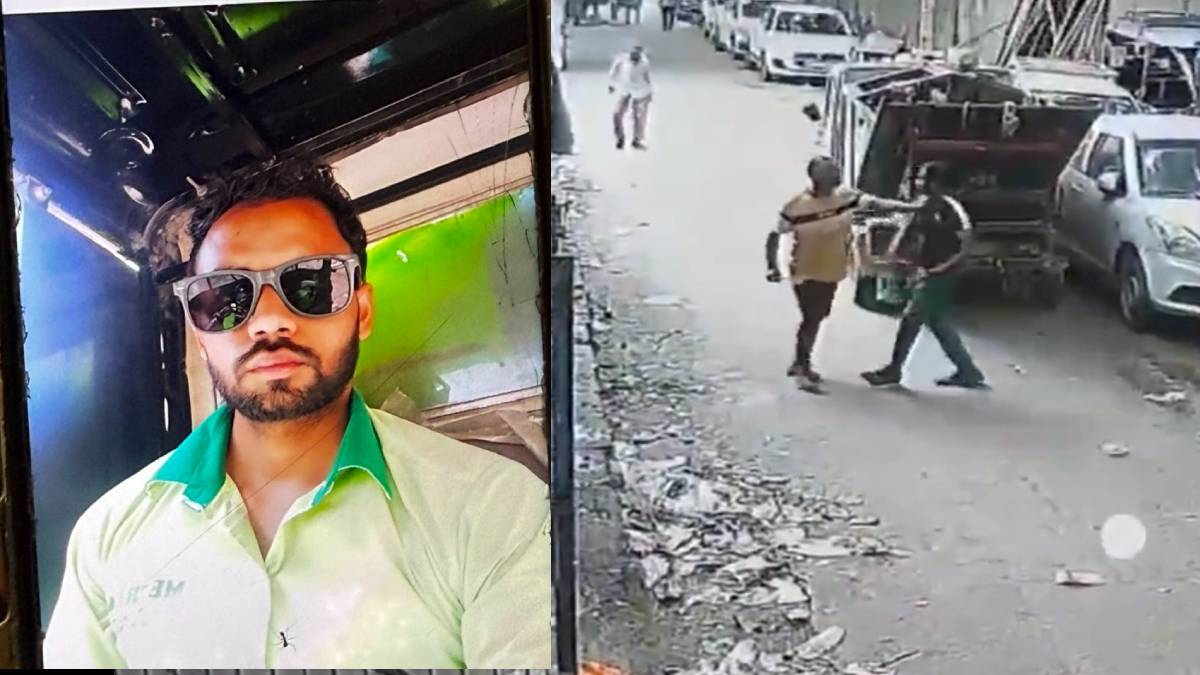
A viral video of pranksters remotely disabling several e-rickshaws has reignited concerns about the cybersecurity and safety of connected electric vehicles. Videos that appeared on social media show that some e-rickshaw drivers were stranded after their vehicles suddenly stopped working (apparently due to unauthorized remote commands of a prankster), and their cars were in a panic mode.

The incident, which quickly gained widespread attention online, has raised questions about how connected vehicle technologies can be misused if adequate security measures are not in place.
According to reports accompanying the viral clips, the e-rickshaws were forced to halt when they were operating, causing people to be confused and passengers to have problems. In some cases, drivers tried to restart their cars several times without success before they realized the shutdown was done remotely, they said.
Though the authenticity and exact circumstances of each viral video were not verified, it is a matter for further discussion about the increasing reliance on internet-enabled vehicle technologies.
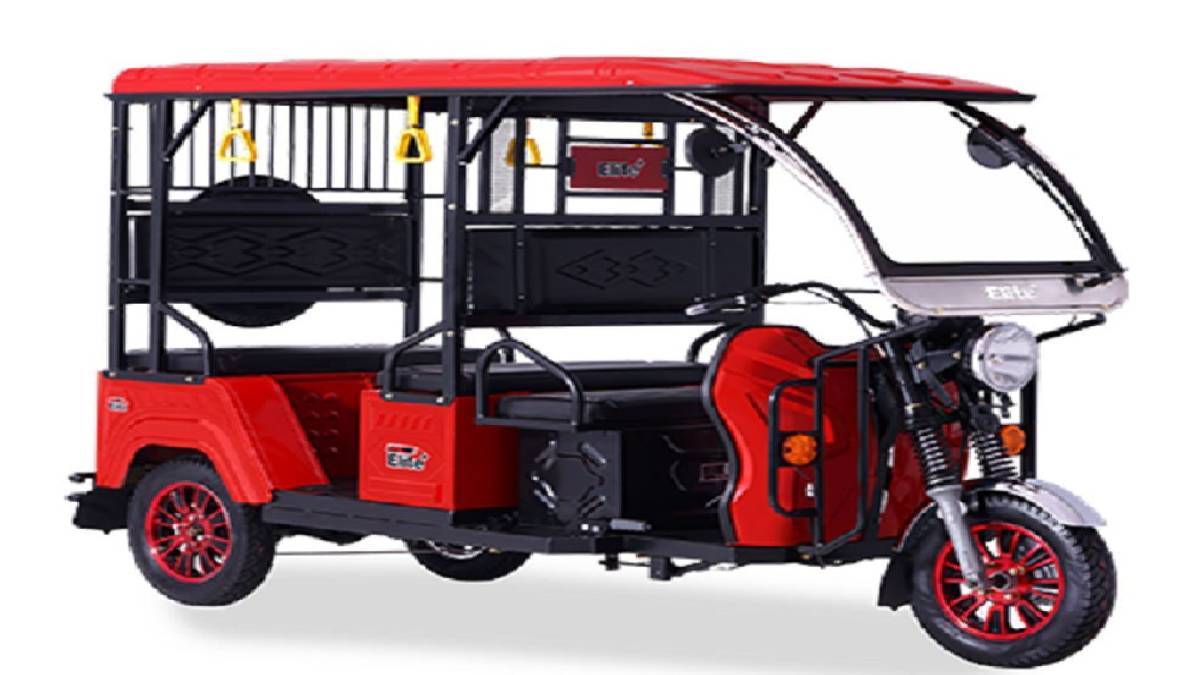
Many electric vehicles today, including some commercial e-rickshaws, have digital connectivity features that let fleet operators or manufacturers monitor battery performance, vehicle location, maintenance status, and software updates. Some systems may also have remote immobilization features for legitimate purposes such as theft prevention, fleet management, or recovery of financed vehicles under agreed legal conditions.
Cybersecurity experts say these features should be secured with strong authentication, encrypted communications, and secure access controls. Unauthorized access or misuse could disrupt transportation services, harm lives and property or cause injury if a vehicle is immobilized at an inappropriate time (e.g., in a car park or vehicle lock-up).
In the eyes of thousands of e-rickshaw drivers, their vehicles are their primary source of income. Any unexpected disruption (technical problems, software problems, or unauthorized interference) can cause lost earnings and inconvenience for passengers.
As noted before, the viral incident has also brought home the need to be responsible with technology. And if the shutdowns were done in jest, you could get more than just inconvenience. A moving or occupied vehicle might have to be disabled, and drivers, passengers, and others can be exposed to risks.
As electric mobility expands, cybersecurity must be built into vehicle design rather than being left as a secondary concern. The development of secure software, firmware updates, and stronger digital security is being put in place by manufacturers to minimize the chance of unauthorized access.
Experts recommend that operators and fleet owners regularly update vehicle software, use only official applications and management systems, ensure account credentials and account information are in place for app or management software, and report any unusual vehicle behavior to the manufacturer or service provider immediately.
A poor e rickshaw driver was forced to push his vehicle nearly 3 km after someone remotely disabled it using a Chinese app, leaving him exhausted, helpless, and without a day’s earnings.
— Tehxi (@yajnshri) July 1, 2026
Nowadays, Many Chapri social media creators doing such pranks to harass poor drivers. pic.twitter.com/v3S7JDdt6E
Authorities may also examine such alleged unauthorized remote access to determine if laws relating to cybercrime, unauthorized access to computer systems, or public safety have been violated.
As electric vehicles are becoming smarter and more connected, the balance between convenience and security is becoming increasingly important. The incident serves as a reminder that digital innovations should be accompanied by strong safeguards in place to protect technology and the people who rely on it every day.