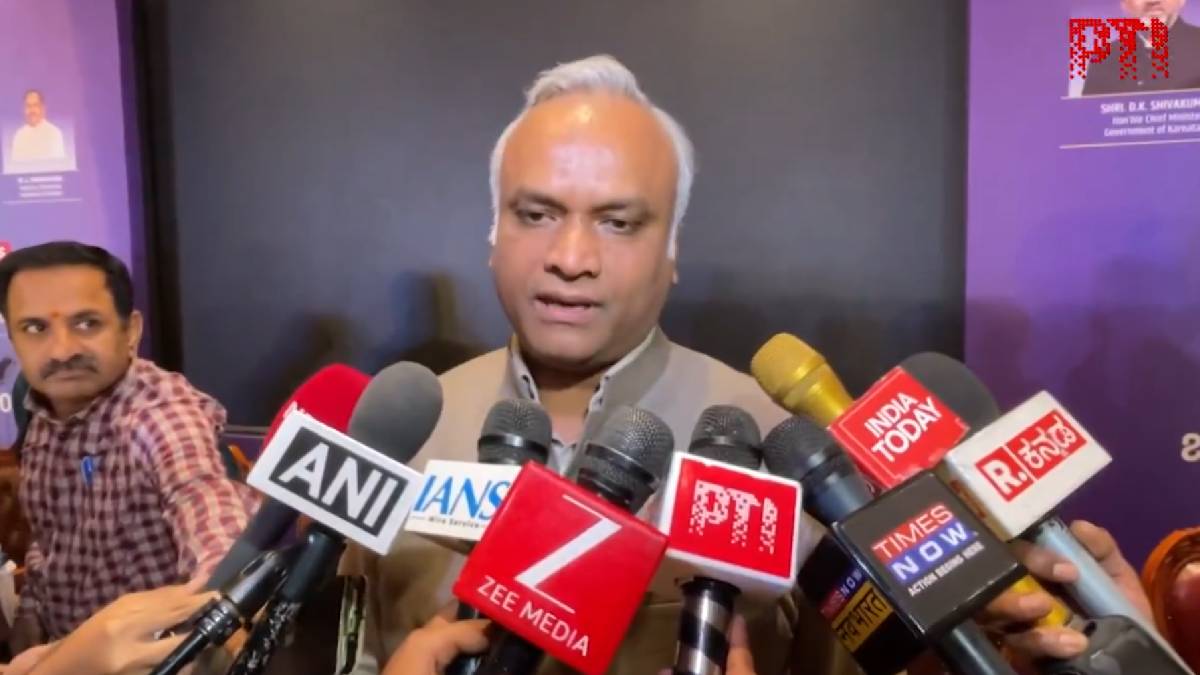
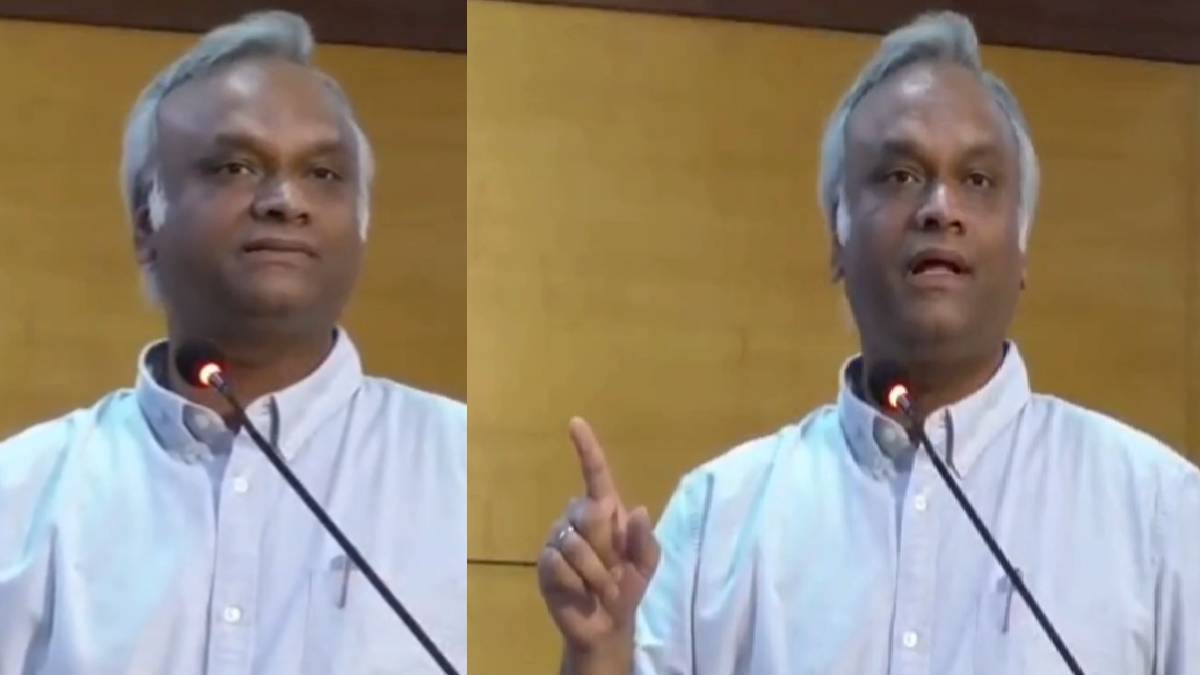
Karnataka Home Minister Priyank Kharge has launched a blistering attack on the Union government saying that the vision of 'Viksit Bharat' cannot be achieved if the concerns and aspirations of the country's youth are ignored.
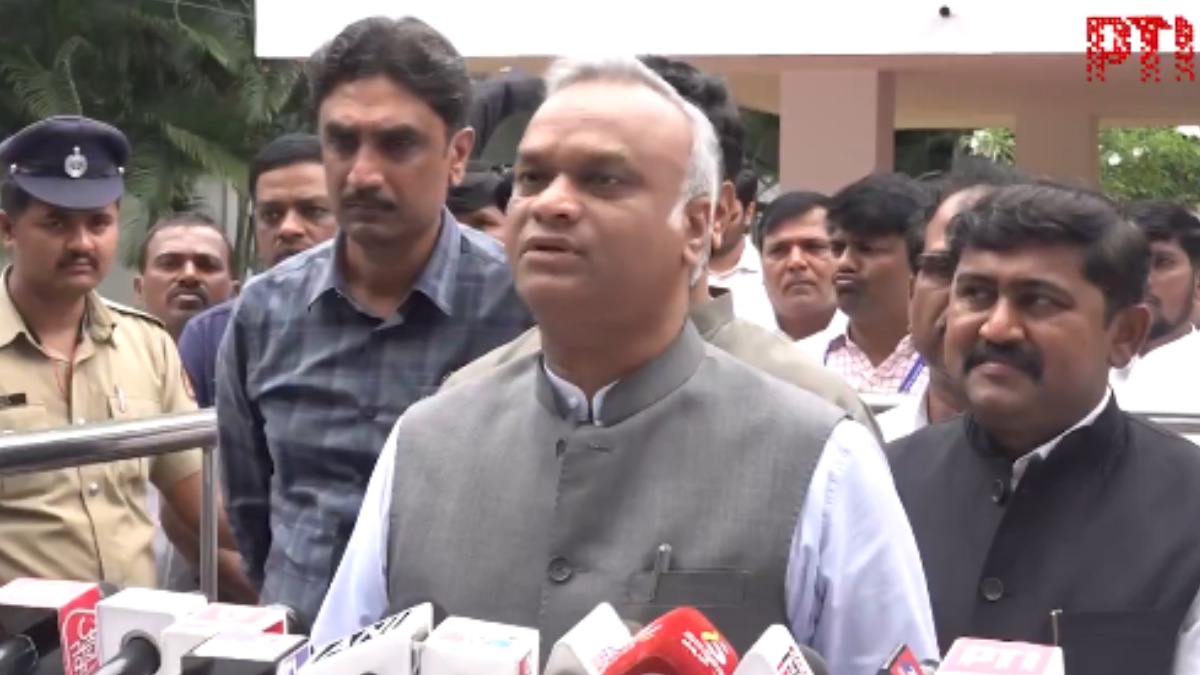
Kharge said Union Education Minister Dharmendra Pradhan should quit, and the Centre must take responsibility for the problems facing students and young job aspirants in the country. Now in Bengaluru, he said education, jobs and examination concerns are the subject of sharp political debate in the country in recent months.
Kharge told the media that India's young population is the greatest asset of the country and that any vision of a developed India should be about their welfare, education and job prospects. The government cannot expect to achieve the goal of developing a developed nation if it ignores the voices and legitimate concerns of millions of students and job-seeking citizens, he said. “Young people should have confidence that their government will provide transparent governance, credible recruitment and policy implementation.
The Karnataka minister also said the controversies in examinations, recruitment and educational administration are creating uncertainty among students. “Those things have hurt aspirants in preparation for competitive exams and government jobs and this is affecting them,” Kharge said. Kharge added that the Union Education Minister should be held accountable for the current situation and step down from office and must take the blame.
Kharge's comments follow a political battle between the ruling Congress government in Karnataka and the Bharatiya Janata Party (BJP)-led government at the Centre.
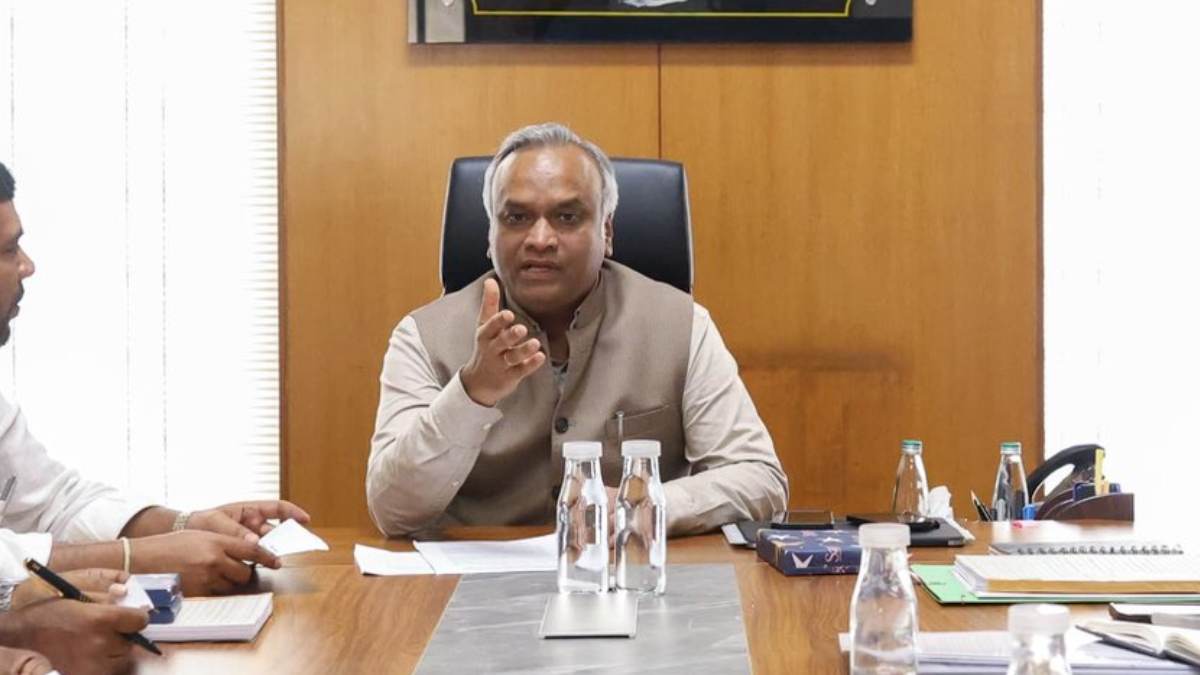
The two sides have frequently criticized each other over governance, education, jobs and youth welfare. While the Congress has questioned the Centre’s handling of education and recruitment-related issues, the BJP has defended its policies by pointing out that it is implementing reforms which aim to improve education quality, skill development, and employment generation.
The slogan 'Viksit Bharat' (2047) is one of the central policy ideas for India. Government officials have consistently spoken of the need to invest in infrastructure, digital technology, manufacturing, innovation, education, healthcare and economic development as a key to achieving this long-term goal. But opposition groups say our vision will only be meaningful if employment, education, inflation and social welfare are addressed.
Political analysts say education and employment are likely to be among the most significant issues in public debate since India's large youth population sees quality education and stable employment as necessary for economic development. Any controversy around exams, job and school admissions and education institutions gets a lot of national coverage and gets very heated political debate.
In the meantime, the BJP has consistently defended the Centre's actions to empower young people (e.g., increased skill development programs, startup promotion, digital education initiatives, scholarships, and employment-oriented schemes). Party leaders have also claimed that recent reforms have been made to modernize India's education system and to provide better opportunities for students and professionals.
Kharge’s demand for the resignation of the Union Education Minister has deepened the political debate on accountability of governance. Opposition parties are demanding more from the Centre on issues affecting students but the ruling party at the national level is adamant that they will continue to strengthen education structures and improve opportunities for the youth of the country.
VIDEO | Bengaluru: “Centre cannot dream of 'Viksit Bharat' by ignoring youth's demands, Dharmendra Pradhan must resign”, says Karnataka Home Minister Priyank Kharge (@PriyankKharge).
— Press Trust of India (@PTI_News) July 25, 2026
(Full video available on PTI Videos - https://t.co/n147TvrpG7) pic.twitter.com/lHvUxxoXef
The latest comments are likely to spark more political fights between Congress and BJP, especially as both parties continue to position themselves on issues of education and employment. Youth welfare, as seen from India’s demographic profile and aspirations of millions of students entering higher education and the workforce each year, is seen as a major issue so far, and we will not be able to say if it is not, in the future.
Even in this time of political reactions, education, employment, and youth empowerment are becoming more important to India’s development agenda. Whether it be through structural change, reform of the institutional system or political responsibility, young people’s education and career opportunities will remain the key to the development of India as a whole.