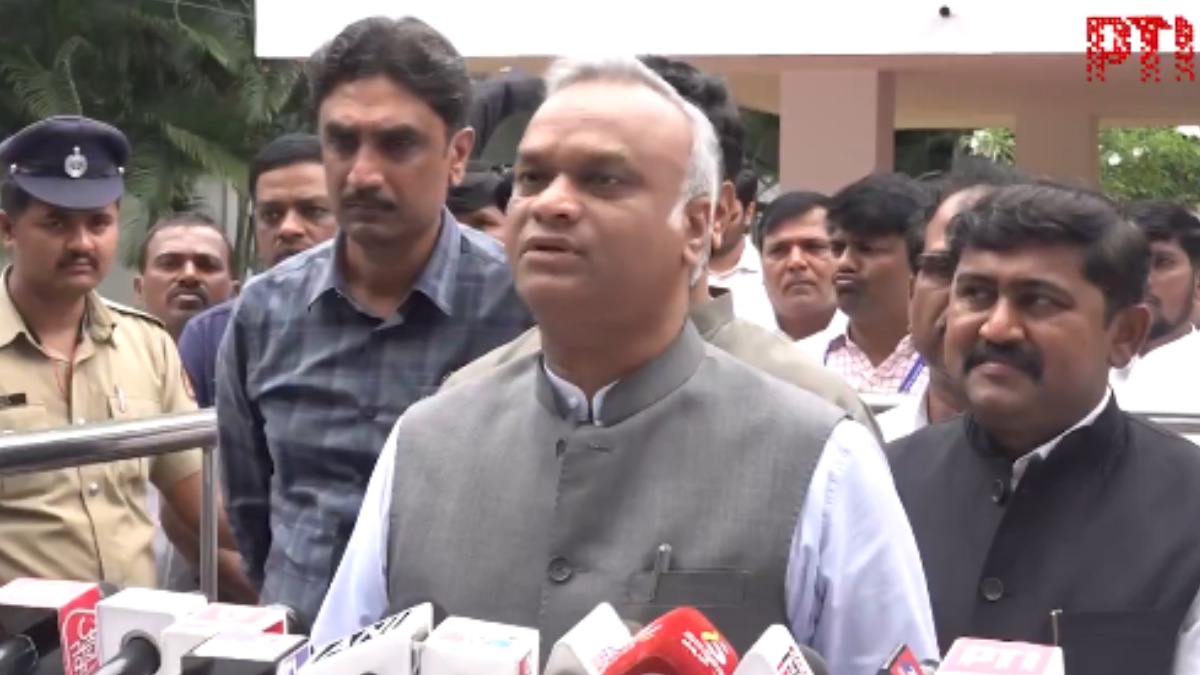
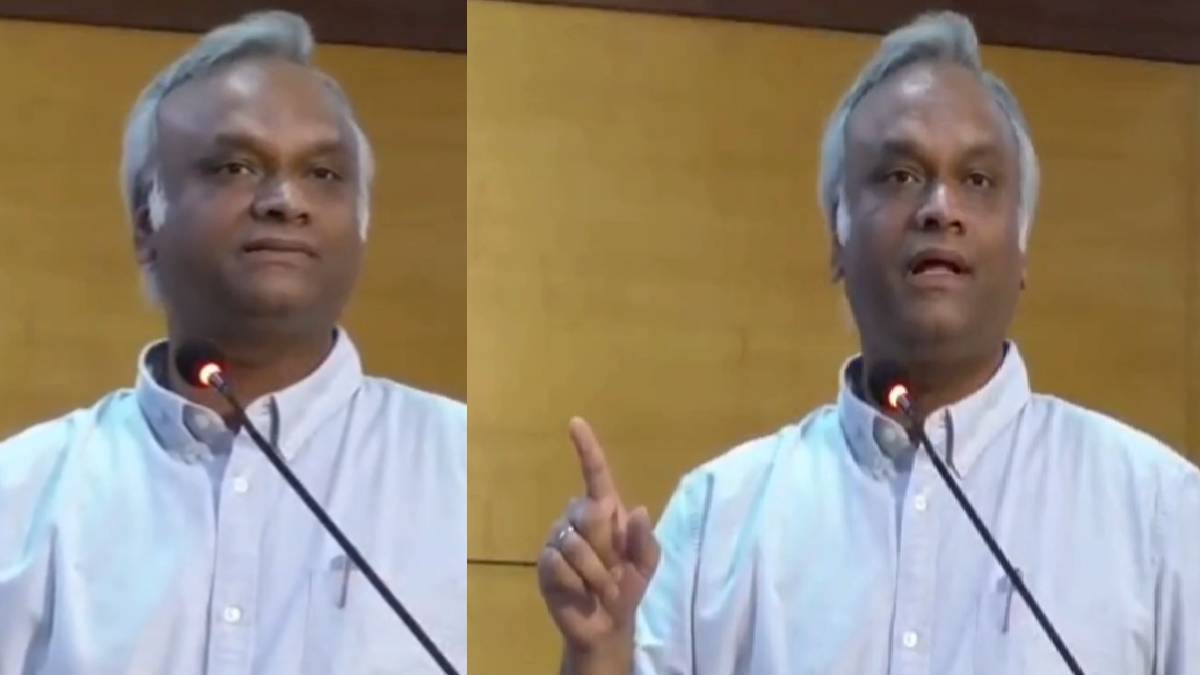
The minister of Karnataka, Priyank Kharge, has triggered a major political controversy through the release of his incendiary comments on the RSS. As a public event in Bengaluru went on, Kharge referred to the RSS as "devil" and called the BJP its "shadow." He accused the organisation of all kinds of financial irregularity that violated the legal order, asking for explanations and also pointing fingers at them. And he has prompted a backlash from BJP leaders on grounds such as this, as well as fresh discussions about RSS participation in Indian politics from time to time. Kharge, who sits on the IT-BT and the Rural Development portfolios, claimed that the BJP derives its ideological strength from the RSS. Political opponents need to challenge the parent body, instead of just its political arm, he said. “Without the RSS the BJP would have been no better than JDS,” he declared. He also claimed that the RSS runs a network of over 2,500 affiliated organisations, some of which are operating in foreign countries, and that it perpetrated “money laundering.”
The comments triggered the first sharp counterattacks from BJP leaders. There is a reply by Karnataka BJP president, B.Y. Vijayendra, that Kharge should first make sure the Congress party’s own registration isn’t cancelled. Other BJP officials belittled him by saying his comments were mere jibes at a nationalist group. The war of words has turned into a bitter skirmish where both sides barreled on ideology, accountability, and regional development.
Kharge’s charges also raised questions about the RSS’s legal and constitutional standing. He noted that the organisation is unregistered and questioned whether it considers itself “above the law or Constitution.” He likened it to clubs and associations with their registration and tax obligations, wondering why the RSS would be exempt. He also called for transparency of how it sources its donations, “Guru Dakshina.”
The controversy is part of a larger debate as to accountability of socio-political organisations in India. Its critics claim that if the tax laws and registration is binding on every citizen and institution you might meet, the RSS should be subject to the same obligation. But the RSS’ supporters argue that it is a culture group and doesn't need political opponents’ signatures.
Priyank Kharge’s incendiary comments have created a new front in the political war over Karnataka. When he called the RSS a “devil” and accused it of corruption, he has challenged the ideological underpinning of the BJP. The episode not only fueled the Congress-BJP rivalry but also reopened questions of transparency, legality, and accountability in India’s most powerful socio-political groups.