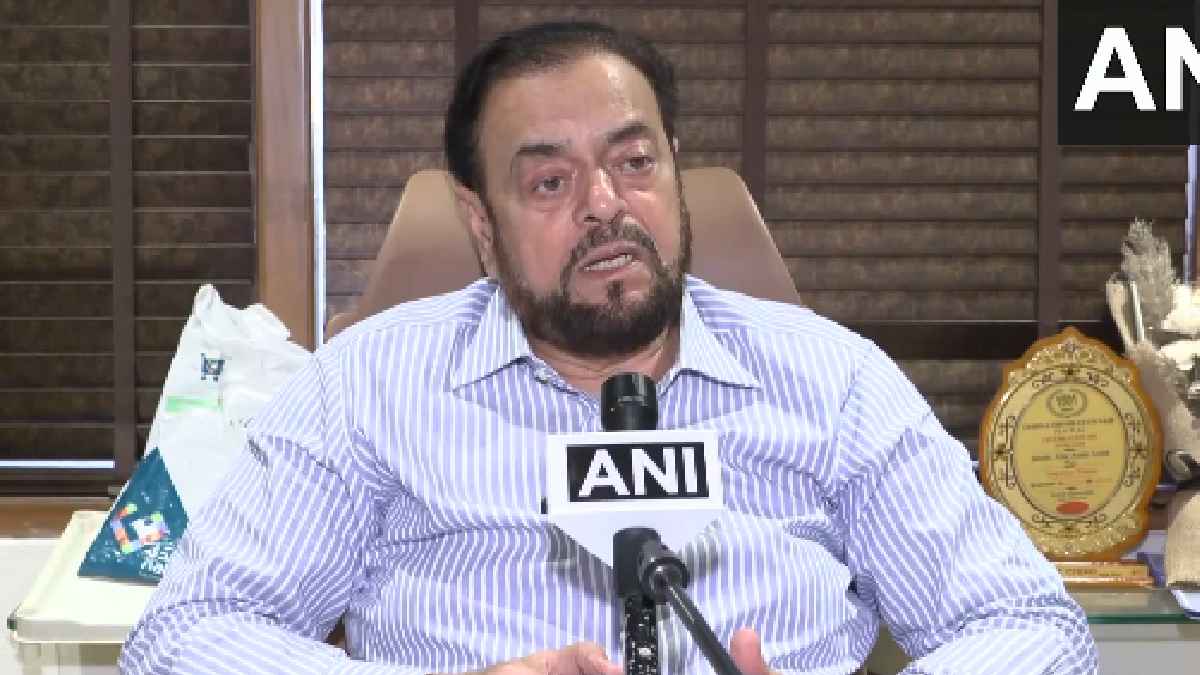
India’s economic story is still the poster child in a world of uncertain times. As much as big economies have been struggling with falling growth, geopolitical tensions, trade disruption and technological disruption fuelled by artificial intelligence, India continues to be one of the fastest growing large economies in the world. But as Confederation of Indian Industry (CII) President R Mukundan said, the next stage of growth in India will indeed be not only about economic reforms and investment as much as it will be about developing a world-class skilled workforce that can serve domestic as well as global markets.
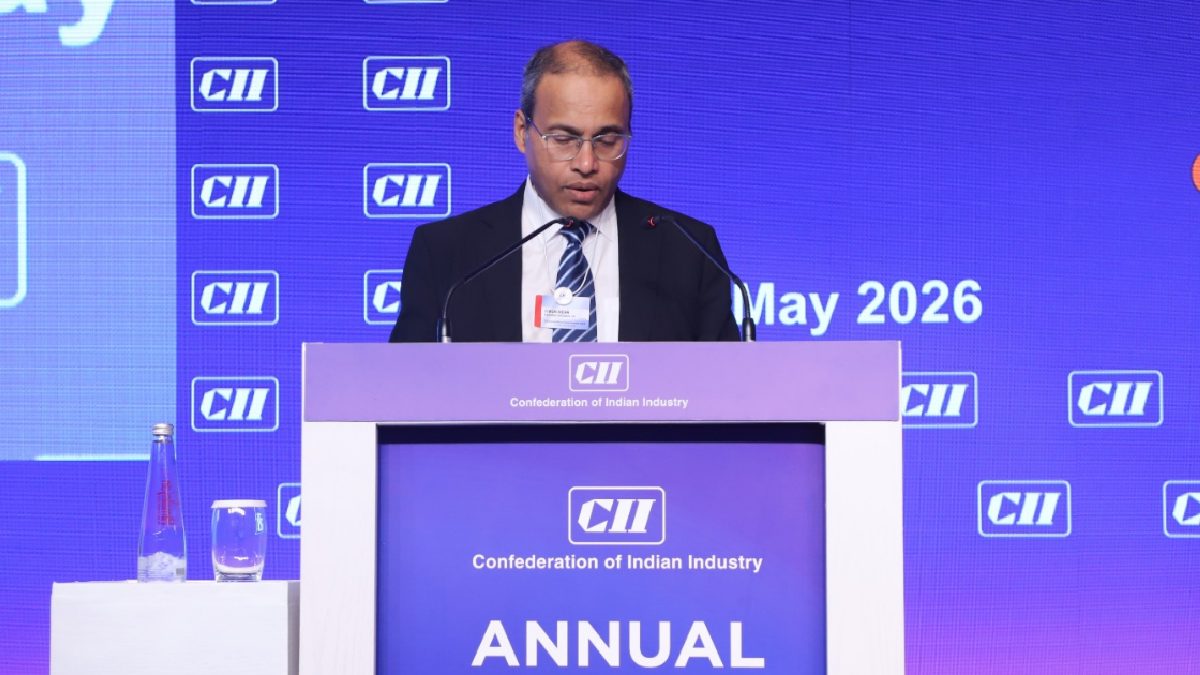
Mukundan has said that India's demographic advantage can be a strength if the nation is backed up by an education-industrialized education system and training/vocational skills development, entrepreneurship and greater coordination of academia and industry. But Mukundan’s vision goes beyond jobs in India. He says India has to make sure it is the best provider of skilled talent in the world at a time when most developed countries are facing aging populations and workforce shortages. That is in line with national efforts to develop India as a global skills hub with such programs as training, reskilling, apprenticeship and skill transfer.
Expanding Vocational Training for a Global Workforce
Mukundan’s vision involves the provision of vocational education and skill training. Increasingly industry leaders are claiming that conventional education alone can’t be sufficient to cater to the ever-changing needs of rapidly evolving industries. Industry competitiveness is based on a skilled workforce that is able to adapt to new technologies and work requirements, CII explains. Career counselling, apprenticeship programs and practical training are all becoming more crucial to the employment scenario in India in the future.
Skill-based training is crucial as artificial intelligence and automation take over industries globally. Experts say India has the potential to become the world talent center and a talent factory by integrating the young workforce with industry-based training. Recent work on job readiness has shown that India is better prepared to enter the workplace as a skilled resource for international markets in recent years and therefore India has become a more attractive place for international markets to find a workforce with the skills that they need.
Stronger Industry-Academia Partnerships Needed
Mukundan also stressed the need to bridge the long-standing gap between education and employment. In fact, many graduates arrive in the job market, industry leaders say, without the skills employers require. So the more we partner with educational institutions and industry, the more that students are trained to work in a situation where they can be effective.
Career counselling has emerged as another crucial area of focus. CII's Model Career Centres all over India have been working to open up job opportunities for young people, provide career advice and job preparation. These are things that will come to the fore in the future for millions of young Indians who will thrive in manufacturing, logistics, healthcare, technology and other high-growth industries.
MSMEs and Entrepreneurship at the Heart of Job Creation
Mukundan believes that Micro, Small and Medium Enterprises (MSMEs) and entrepreneurship will continue to be the bedrock of the employment generation story in India. MSMEs account for far more than a billion dollars in production and provide the largest employment opportunities in India. Innovating, accessing finance and creating a positive business environment for the companies is something that can boost them in order to create jobs and to grow.
Industry leaders have also highlighted manufacturing as a key employment engine. As AI disrupts many sectors, scaling manufacturing is crucial for absorbing India’s expanding workforce. And CII has argued previously that increasing manufacturing’s contribution to GDP could create millions of jobs and boost India’s position in global supply chains.
Turning Demographic Advantage into Global Leadership
India’s greatest economic asset is its people. With one of the youngest populations in the world, the country is uniquely positioned to address global workforce shortages if it can successfully equip its youth with relevant skills. Mukundan’s message is indicative among industry that India will not only be able to grow and develop on the basis of infrastructure but also on human capital.
As geopolitical uncertainties, technological disruption, and changing global labour markets alter the world economy, India’s challenge is clear: transform its demographic dividend into a globally competitive workforce. If the country can do so, it will go from being a manufacturing and innovation heartland to the world’s most skilled nation, creating opportunities for millions and strengthening its place in the global economy.