India has repeatedly rejected any outside commentary on the proposed amendments to the Foreign Contribution Regulation Act (FCRA) as domestic legislative action is solely the matter to be decided by the Parliament of India. MEA (Ministry of External Affairs), New Delhi, on the part of foreign experts in the country, said that India has a strong democratic system for making laws and that India is far from alone in having control over overseas money flows. He said that many countries worldwide regulate foreign money flows and the United States is the best example of that.
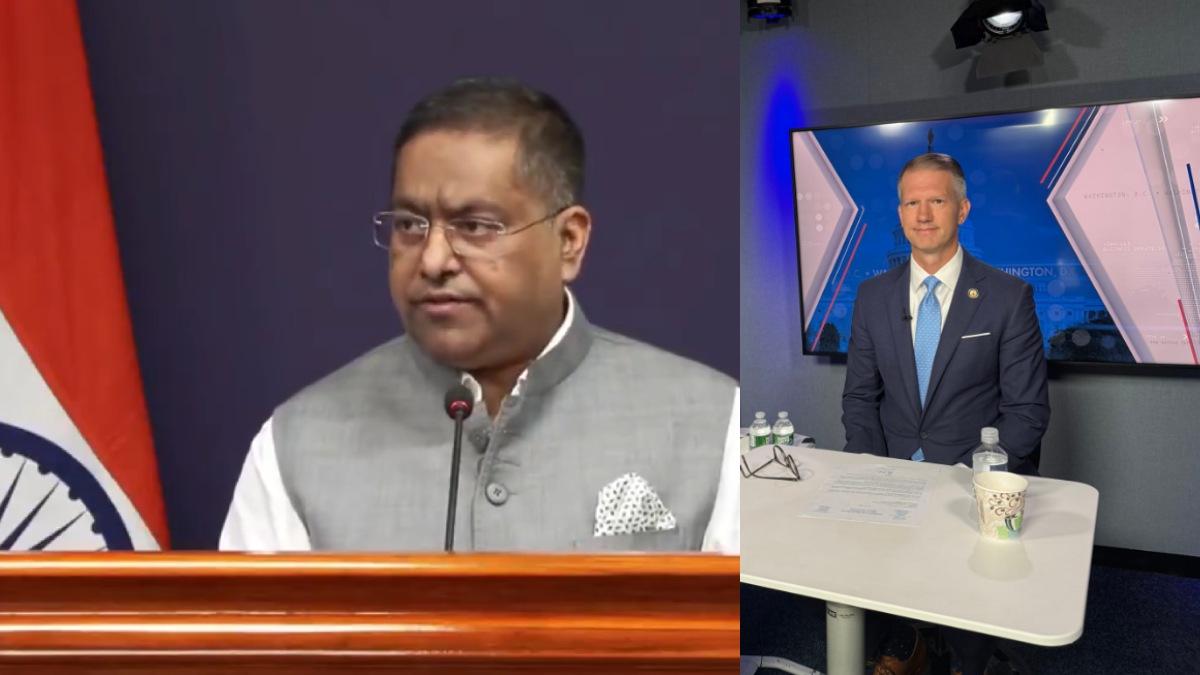
New Delhi’s response was motivated by comments by US Congressman Riley Moore, who expressed alarm at the direction of the Foreign Contribution (Regulation) Amendment Bill, 2026. The Republican lawmaker from West Virginia had taken to social media to say that the new laws regarding foreign donations directed to non-governmental organizations, trusts, academic institutions, and religious institutions might grant the state power to choose the places of worship and charitable organizations. He also expressed concern on India-US relations, saying the bill might cause friction in India-US relations if it was passed.
#WATCH | Delhi: Responding to comments by a US lawmaker on the proposed Foreign Contribution (Regulation) Act (FCRA) Amendment Bill, MEA Spokesperson Randhir Jaiswal says, "We have seen the comments on FCRA. Legislative matters concerning India are our internal affairs on which… pic.twitter.com/l3i52nrEuS
— ANI (@ANI) August 7, 2026
The bill at the heart of the debate, the Foreign Contribution (Regulation) Amendment Bill, 2026, would create a “Designated Authority” to oversee, manage, and dispose of foreign contributions and assets if an entity loses, surrenders, or fails to renew its mandatory FCRA registration. Specifically addressing religious properties concerns, the bill provides that if any affected asset is a place of worship, the designated authority has to legally ensure that the core religious character of the property is preserved. Additionally, the bill also proposes easing statutory penalties by reducing the maximum penalty for violations to one year.
Defending the need for such a legislative update, the central government has always maintained that the reforms are meant to allow for the transparency, financial accountability, and proper administrative governance of foreign-funded entities. The provisions are built to protect public infrastructure and assets built by international donors, keeping philanthropic projects under national law and public infrastructure and assets. New Delhi remains determined to protect domestic sovereignty and to reject foreign objections as an unreasonable interference with internal legislative processes.