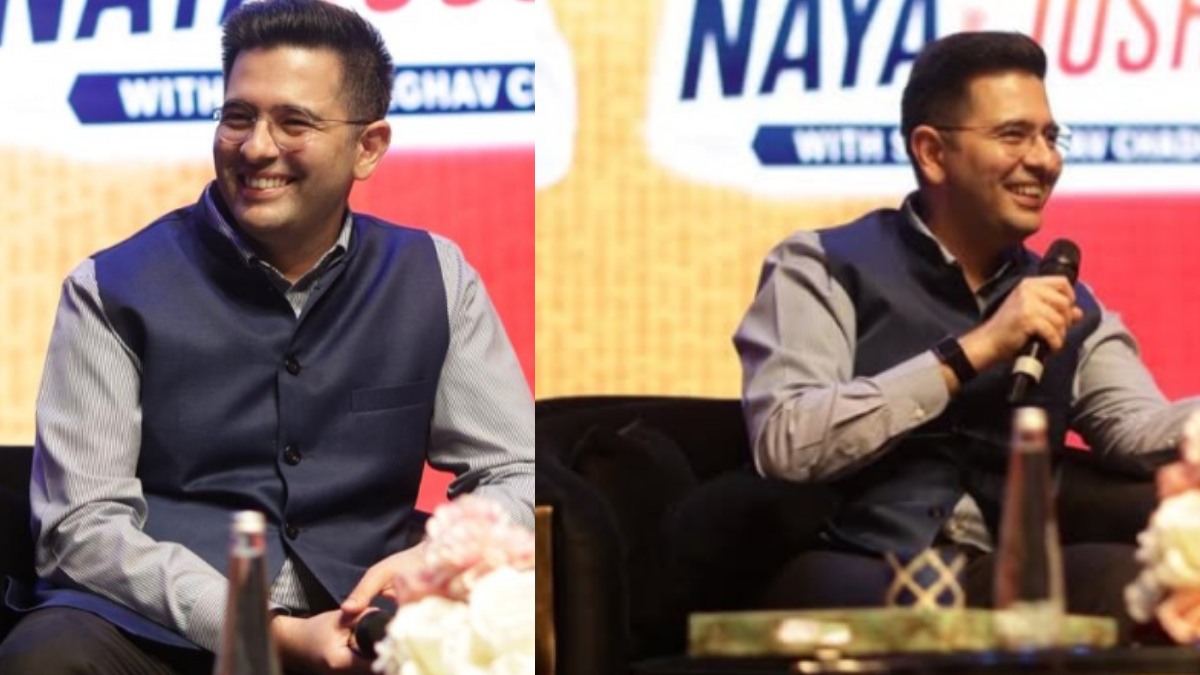
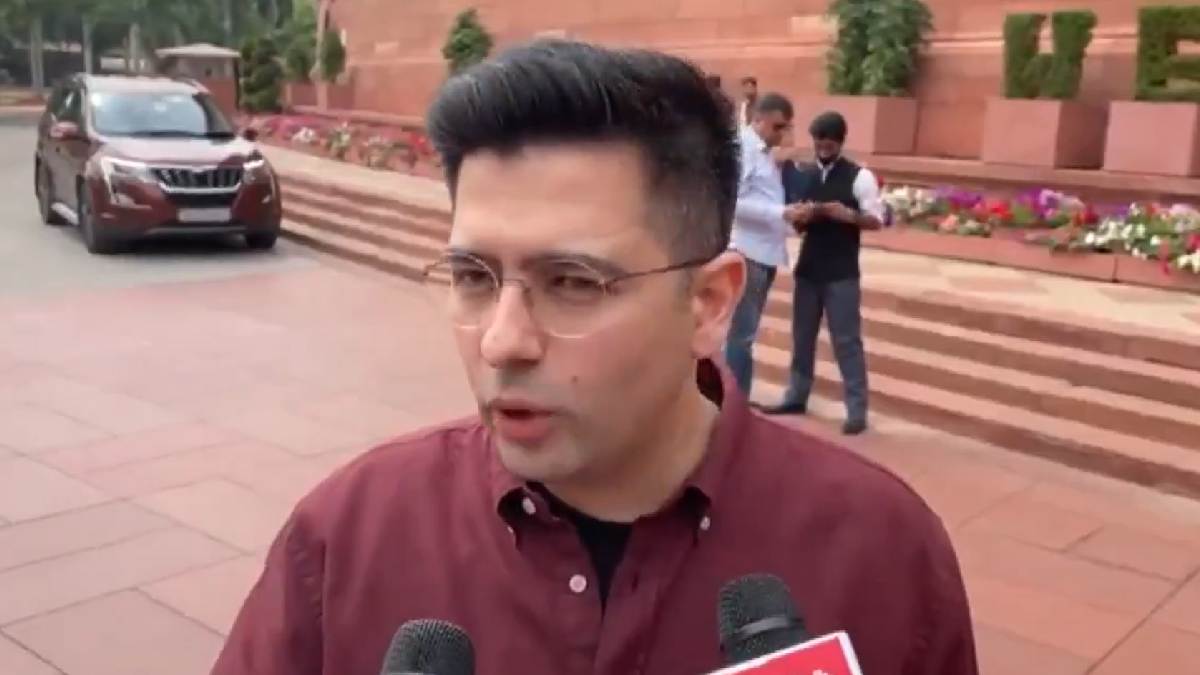
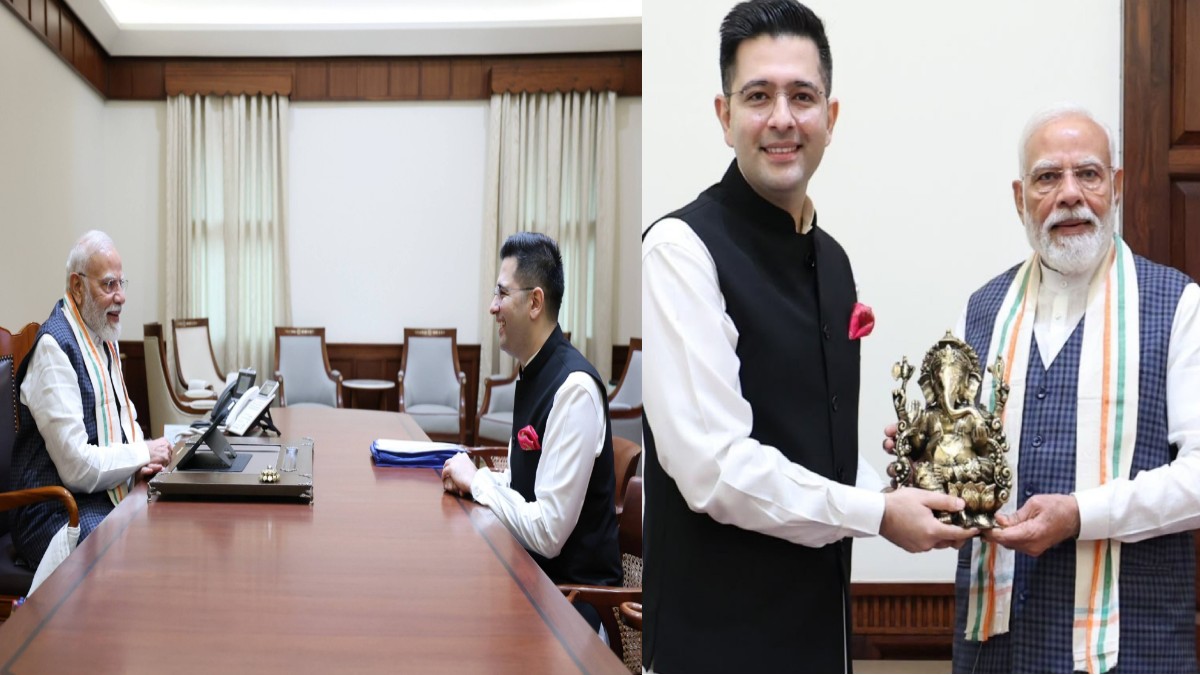
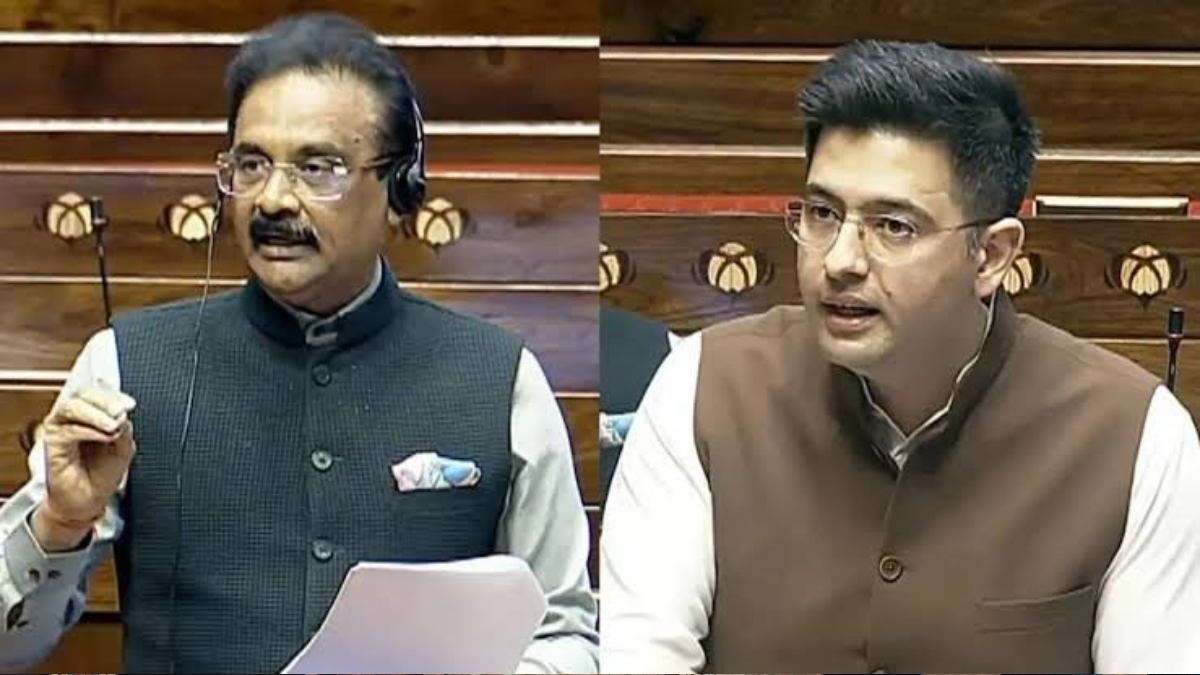
Just hours before the Public Examination (Prevention of Unfair Means) Amendment Bill, 2026 was passed in the Rajya Sabha after the Lok Sabha, Bharatiya Janata Party Member of Parliament Raghav Chadha broke off his silence on the nationwide NEET protests that have been taking place in the national capital and across the states. Speaking to the upper house in the context of the national debate on the landmark anti-paper leak bill, Chadha passionately defended the federal administration's response to the unprecedented student agitation and laid out detailed structural reforms that will help to secure India's future generations of youth.
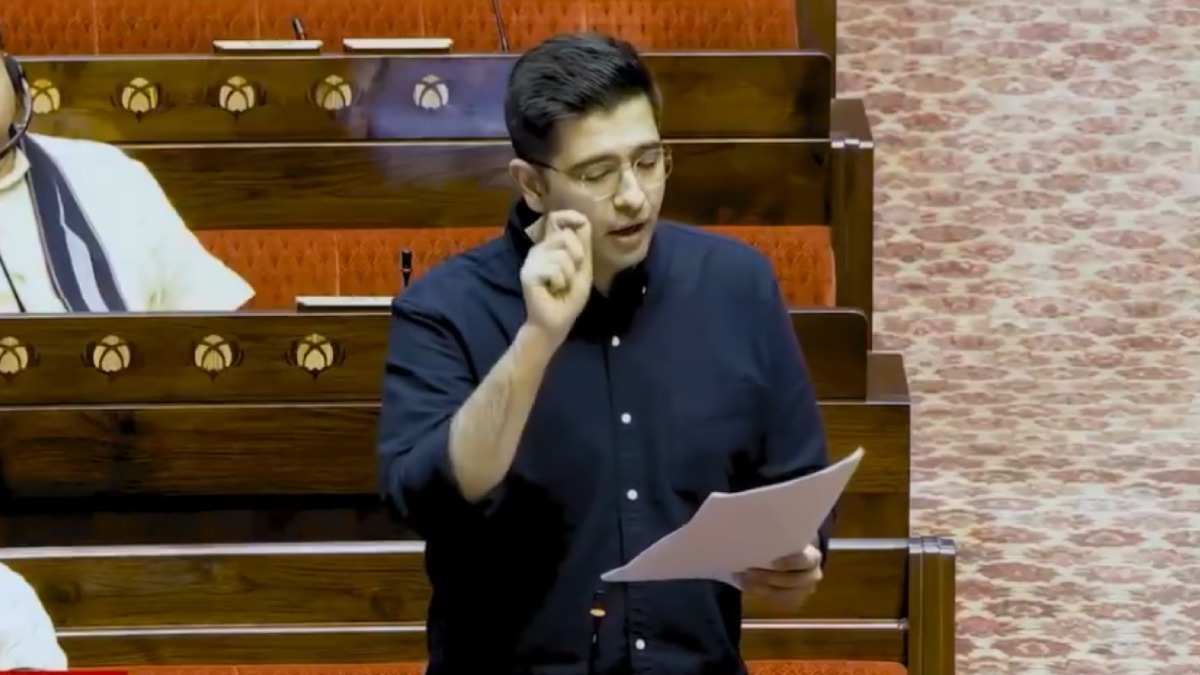
Chadha said in his speech to lawmakers that he was given the right to say what he said with full conviction and sincerity and that when the crisis was happening to students and youth of India— when the crisis actually happened, the government listened and took action and the results were finally achieved, which they had to do as the crisis affected the students and youth. His speech followed thousands of angry students who walked out in Delhi yesterday, protesting systemic paper leaks in the National Eligibility-cum-Entrance Test, demanding accountability and the immediate removal of former Union Education Minister Dharmendra Pradhan as he had to quit as soon as he was forced out after the government had to step down from the position for political and public pressure for the students and a long time.
Chadha stressed in his speech to the Parliament the magnitude of the paper leak crisis and said that it needs to be treated permanently rather than in a vacuum. He described the terrible situation for millions of aspirants: “Twenty-two lakh children spend eighteen-hour study days for a crucial three-hour examination for months and their future is squandered by a leaked WhatsApp message, a digital PDF on Telegram at two in the morning, or a camera phone.” Comparing the crisis to some kind of serious illness, he said a disease like paper leaks cannot be treated with a simple painkiller and needs permanent institutions.
Chadha said that the government's corrective actions were comprehensive and students' anger and pain were entirely justified as Prime Minister Narendra Modi was not only a political leader but also a family guardian. In a short time of seventy-five days of extensive investigation, a formal chargesheet was filed in a fast-track court to bring justice. And immediate administrative accountability was ensured as forty-seven National Testing Agency officers were dismissed, the Education Secretary was transferred, and all criminal cases against student protesters were officially withdrawn.
Looking ahead, Chadha said we will see major technological and structural changes in order to stop future threats to exam integrity. The NEET exams will also move completely from OMR sheets to computer-based testing to eliminate all paper leaks forever. In fact, the Indian government has set up a high-powered task force with world-class technological experts like Nandan Nilekani to ensure that India’s public examination system remains transparent, accountable, and secure for generations to come.