Congress leader Rahul Gandhi has intensified the political debate over a reported “purification” ritual conducted by him after a rally at the Ramlila Maidan of Congress president Mallikarjun Kharge that got people’s attention at Haldwani’s Ramlila Maidan. Gandhi accused BJP and Rashtriya Swayamsevak Sangh (RSS) of promoting untouchability and sought legal action against them.
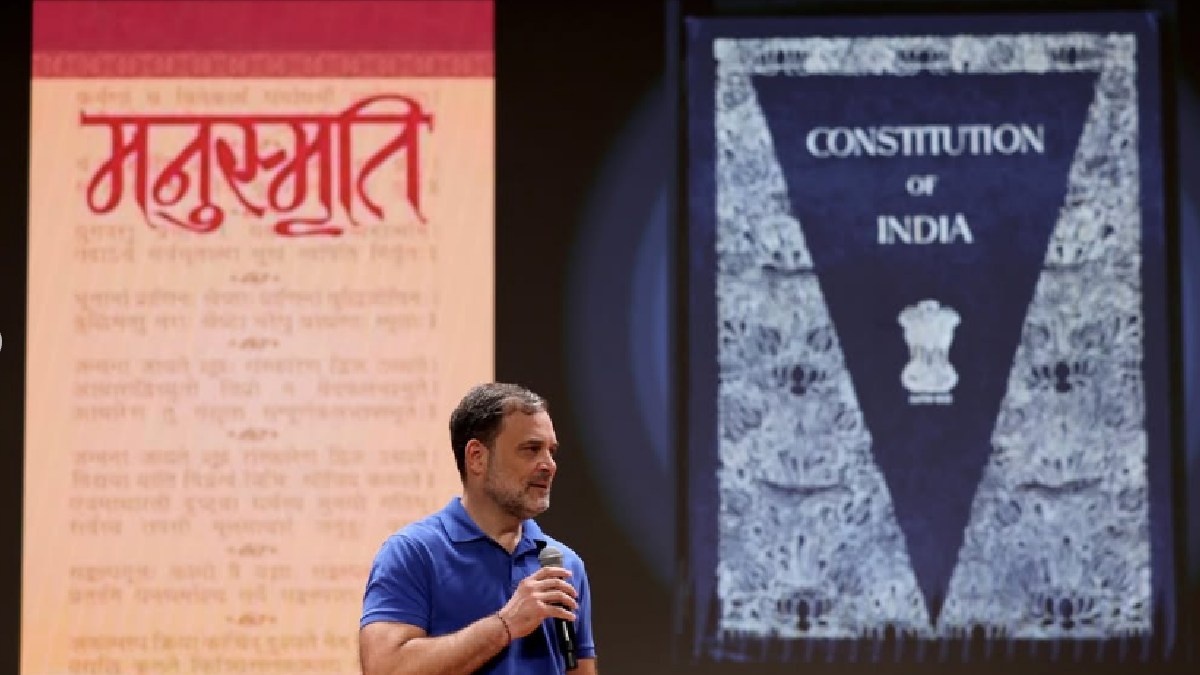
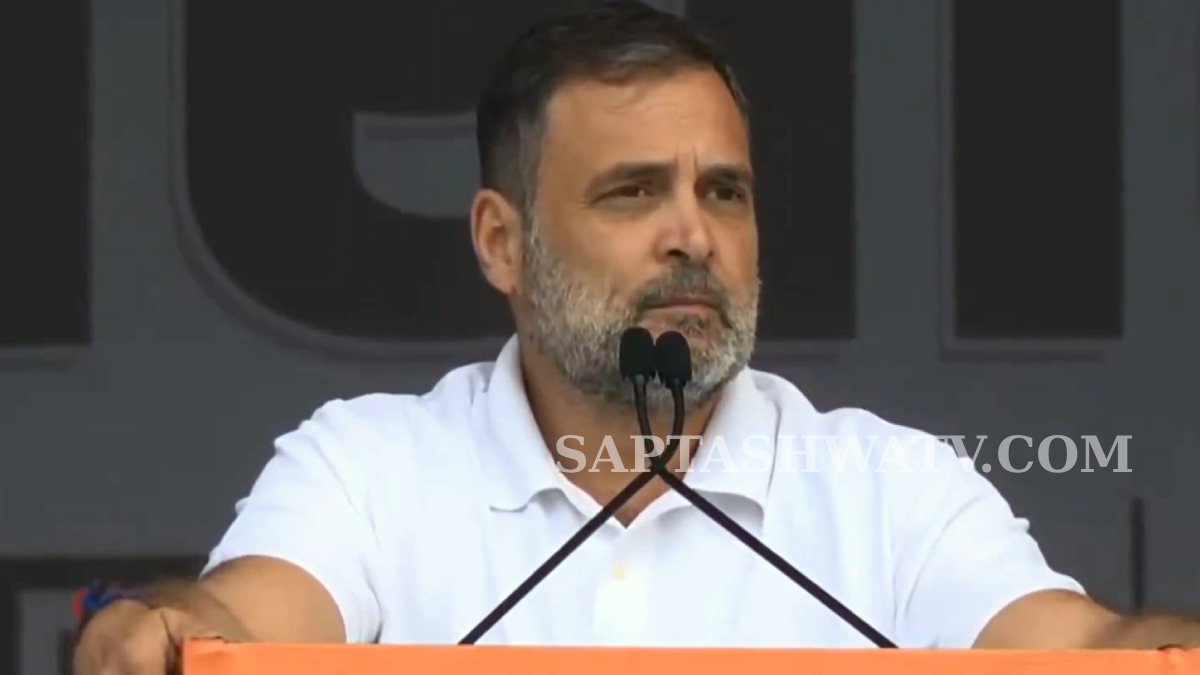
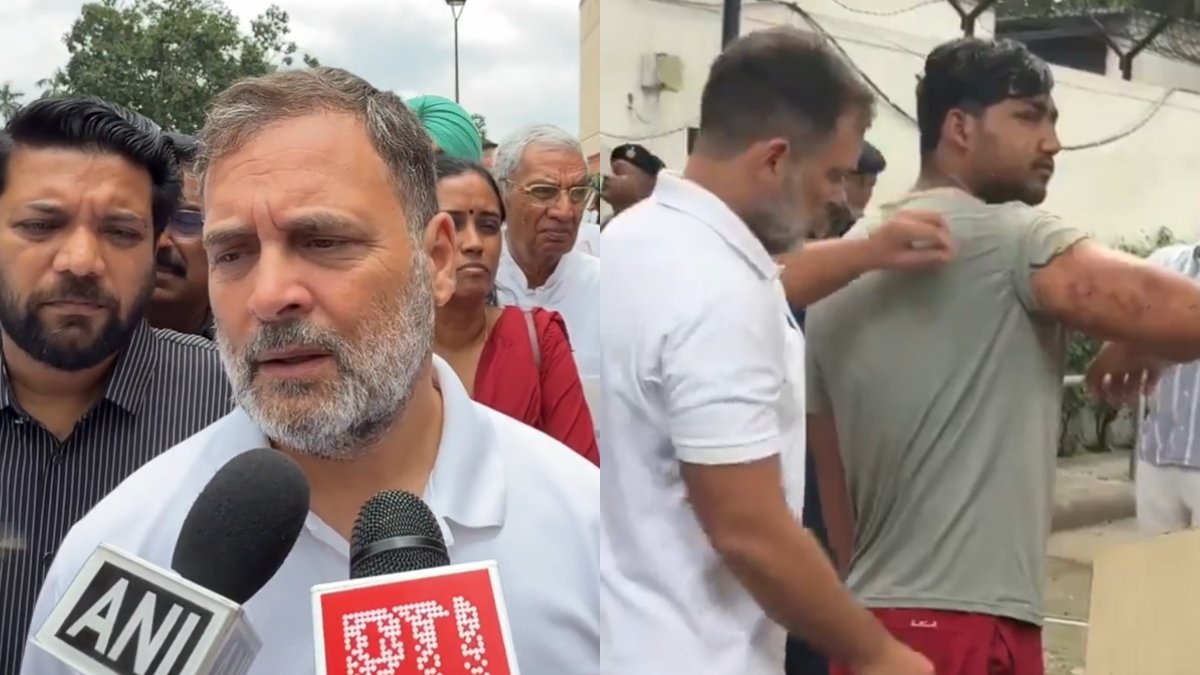
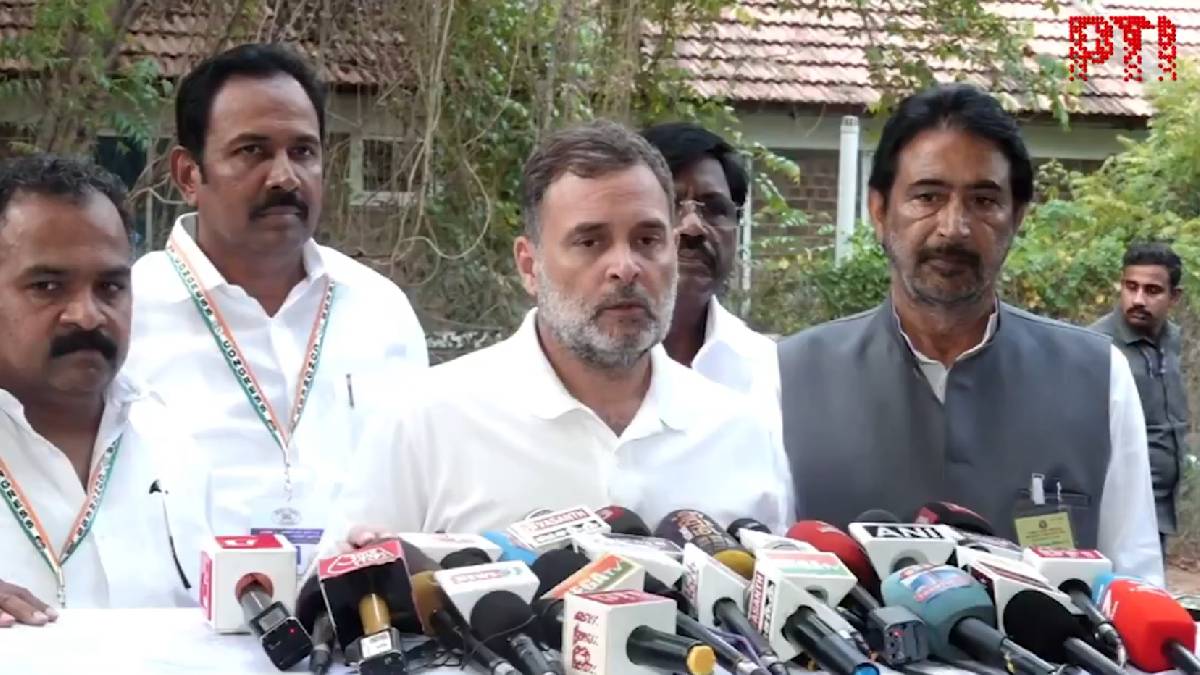
In a speech at a press conference in Delhi on Saturday, Gandhi said the Haldwani controversy was emblematic of the larger ideological battle over the Constitution and the values it enshrines. He said the purification ceremony at the rally venue amounted to discrimination against Kharge because of his Dalit identity.
‘Purification’ is simply another name for untouchability.
— Mansoor Khan | ಮನ್ಸೂರ್ ಖಾನ್ (@MansoorKhanINC) August 29, 2026
Untouchability was outlawed, yet @BJP4India members continue to practise it openly. By ‘purifying’ a place after a Dalit has entered, they are saying that Dalits are unclean and should not be touched.
This is not… pic.twitter.com/WDqBeJ3ZUU
Gandhi said the incident should not be seen only as a political dispute, but that untouchability was prohibited by the Constitution. He described the purification ritual as “another name for untouchability” and said such practices indicated that Dalits were being treated as unclean.
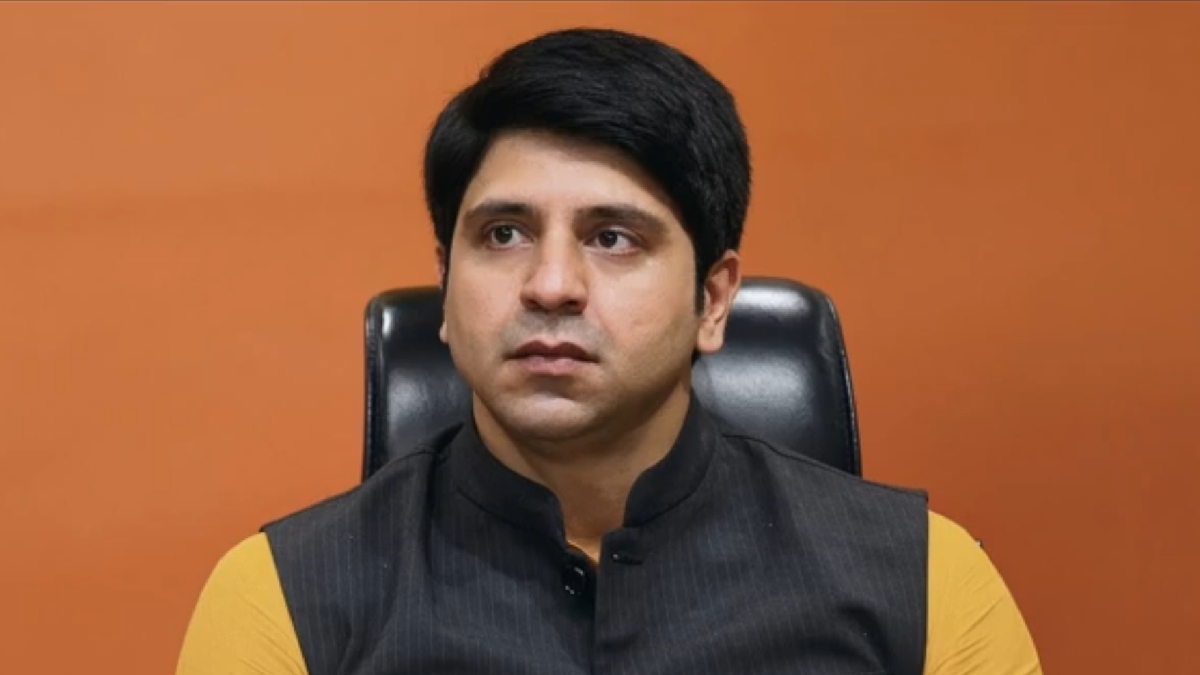
The Congress leader also connected it directly to the RSS and BJP. The two organisations were responsible for the act, he said, and called for legal action to be taken against them. The BJP has denied being involved in the ceremony, so the issue of responsibility is a major dispute and to whom the two sides have been arguing about it.
What happened at Haldwani Rally Venue
Mallikarjun Kharge addressed a Congress rally at Ramlila Maidan in Haldwani on August 8, ahead of the 2027 Uttarakhand Assembly elections. Two days later, members of the Shri Ram Sena reportedly held a “shuddhikaran” havan at the same place.
Congress leaders claimed that the ritual was directed at Kharge and was connected with his identity as a Dalit leader. Kharge had raised the matter in the Rajya Sabha and questioned why a purification ceremony was necessary after his speech at the venue.
However, the BJP denied that the ceremony had anything to do with Kharge. BJP president JP Nadda said the party did not associate itself with such an act and described it as an unfortunate incident. The party said the ceremony was a customary religious practice and was not related to the Congress leader's visit.
Uttarakhand chief minister Pushkar Singh Dhami also rejected the Congress interpretation. Some organisations had carried out the activity based on claims that religious sentiments had been hurt, Dhami said. He argued that the Congress was trying to give the incident a Dalit angle and described Kharge as a respected national leader.
Kharge said he had not made any remarks against a certain community or religion in his speech. He said he didn’t want the issue to get politicized but called for legal action against the culprits of the incident.
Article 17 and the legal question.
Gandhi also referred to Article 17 of the Constitution, which abolishes untouchability and forbids it in any form. The Protection of Civil Rights Act 1955 provides a statutory framework to enforce this constitutional guarantee and penalises certain forms of untouchability and related discrimination.
Scheduled Castes and Scheduled Tribes (Prevention of Atrocities) Act 1989. The law protects Scheduled Castes and Scheduled Tribes and prescribes penalties for some charges against them.
However, whether or not the particular ritual reported in Haldwani constitutes an offence under these laws would depend on the facts, evidence and conduct involved. Gandhi's claim that the incident constitutes a crime is a political and legal claim, while the determination of whether specific criminal provisions apply to it is left to investigating authorities and where necessary the courts.
Rahul Gandhi Raises Wider Caste Discrimination Concerns
Gandhi used the Haldwani dispute to highlight what he described as continuing caste discrimination across parts of India. The Constitution abolished untouchability, but discrimination still exists in everyday life, he said.
The Congress leader cited Dalit children, access to water and social discrimination in tea stalls among Dalit children. He claimed that Dalit children are still forced to do cleaning work in schools and discrimination continues to exist in common water access.
Gandhi also referred to the practice of using separate cups for different communities at some tea stalls. He showed these examples as evidence that constitutional protections have not completely eliminated social discrimination.
The Congress leader’s comments have thus increased the Haldwani dispute to a political conversation about caste, equality and constitutional rights. The BJP, on the other hand, refused to accept Congress interpretation of the purification ceremony and said the incident should not be linked with Kharge’s caste identity.
Who Says What?
Rahul Gandhi and Congress: Gandhi has described the reported purification ritual as another form of untouchability and alleged that it was linked to Kharge's Dalit identity. The Congress has asked for legal action and an FIR against those responsible.
Mallikarjun Kharge: Kharge has said he didn’t refer to any community or religion in his Haldwani speech. He asked why the venue had to be purified after his rally and called for action against those responsible.
BJP: The BJP has denied involvement in the ritual. Party leaders have said the ceremony was a customary religious practice and was unrelated to Kharge's presence at the venue. JP Nadda described the incident as unfortunate.
Uttarakhand Government: Pushkar Singh Dhami said organisations protesting over hurt religious sentiments conducted the ceremony. He rejected the Congress’ argument that the incident was an expression of caste discrimination.
Legal position: Article 17 abolishes untouchability, while the Protection of Civil Rights Act and the SC/ST Prevention of Atrocities Act provide statutory protections and penalties for certain forms of discrimination and offences. Whether those provisions apply to the Haldwani incident would depend on the evidence and findings of the authorities.
The controversy has now become a major political flashpoint in Uttarakhand, and the Congress is pitching it as constitutional equality and caste discrimination, while BJP and the state government in particular reject that view. The exact nature of the ritual and the identities and actions of those involved will be the focus of investigation and we will continue to look into this matter, as there are legal steps to be taken in this matter, in the future.