
Congress leader Rahul Gandhi’s call to “smash the patriarchy” has triggered a political war of words, with former BJP spokesperson Shehzad Poonawalla slamming the Leader of Opposition over the comments. Poonawalla questioned Gandhi’s position on sexism and women’s rights, claiming that in the past comments and political associations, Gandhi’s stance was not in line with his present message on patriarchal attitudes.
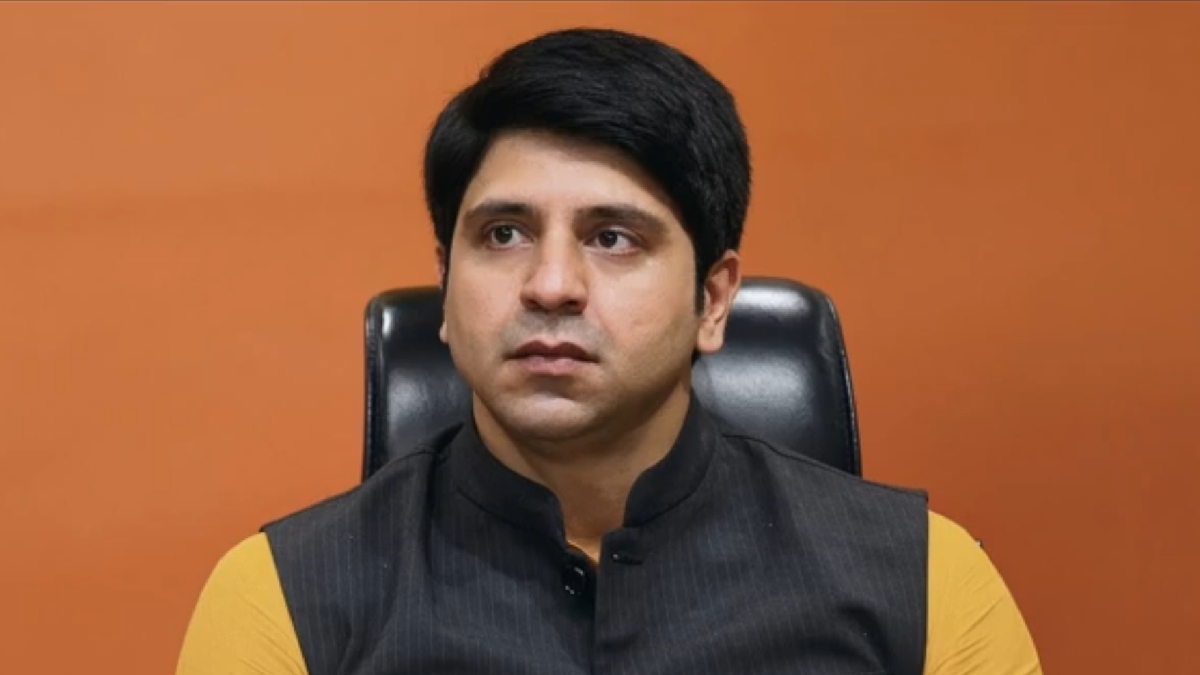
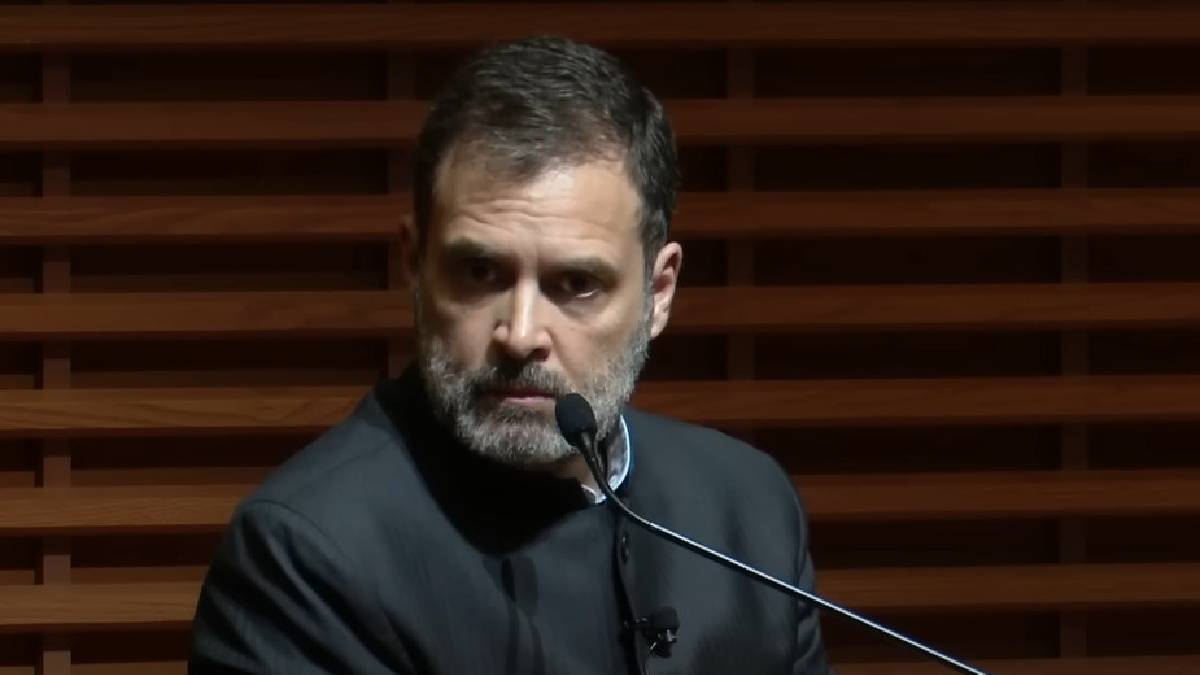
The controversy erupted after Rahul Gandhi spoke at the Congress party’s ‘Chhatro ki Goonj’ programme on the ground in Pune in which he was speaking about the need to challenge patriarchal structures. Gandhi’s words seemed to be part of a larger call to young people to question the social inequality in society and established power structures. But soon it was the topic of political opponents’ criticism.
In response to Gandhi’s statement, Shehzad Poonawalla had a sharp attack on the Congress leader. He said Gandhi could not tell you if he was not able to speak up about dismantling patriarchy while being accused of sexist or inappropriate comments.
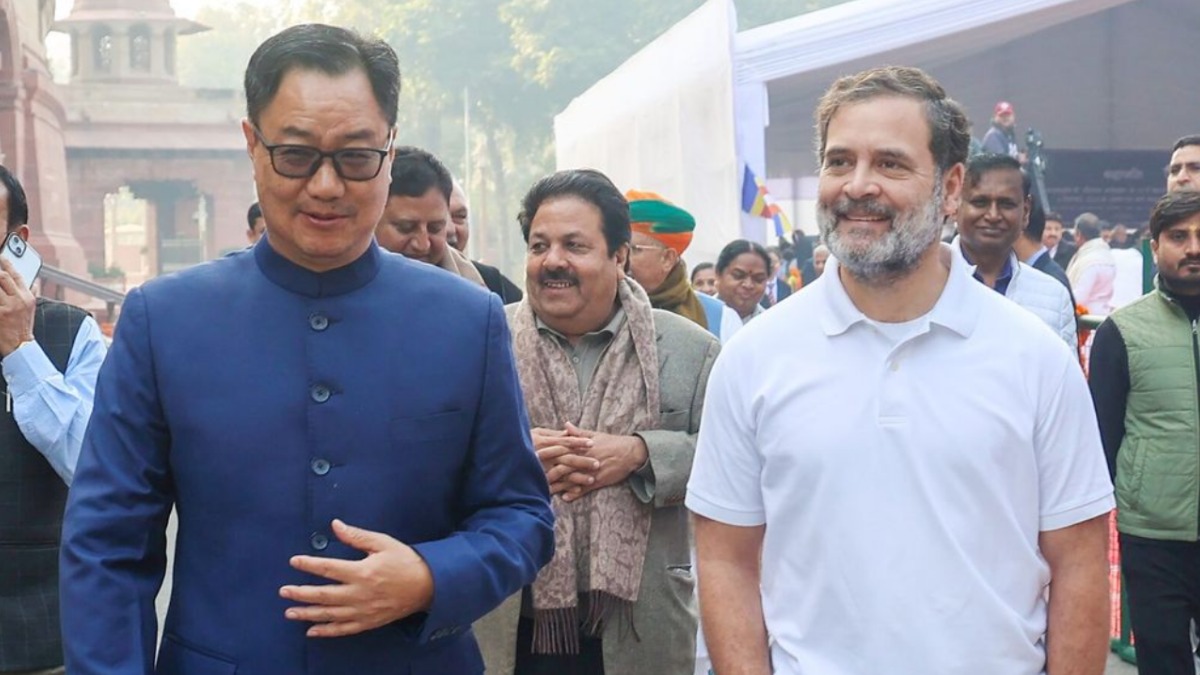
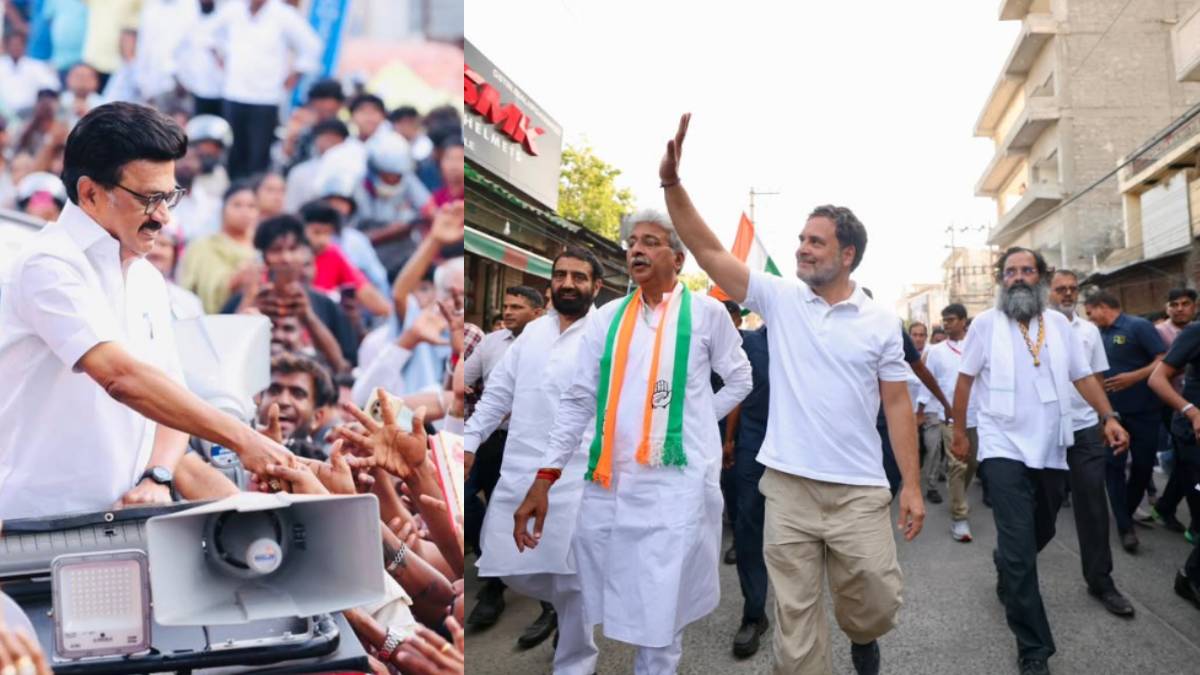
“You pretty much endorsed misogyny, sexism and patriarchy when you & Sandeep Dikshit made that crass comment on Meloni. So cut the crap,” Poonawalla said, taking a direct swipe at Gandhi.
Poonawalla’s reference was to earlier political controversy around comments about Italian Prime Minister Giorgia Meloni. Political observers and social media users had criticized the foreign leader’s tone and the appropriateness of comments. By recalling that episode, Poonawalla was trying to challenge Gandhi’s new stance on gender equality and patriarchy.
The exchanges are taking place at the same time as the country is seeing an ever more heated political debate on issues of women’s rights and representation and gender equality in India. Both Congress and BJP have often accused each other of not living up to their stated positions on issues of women and social justice.
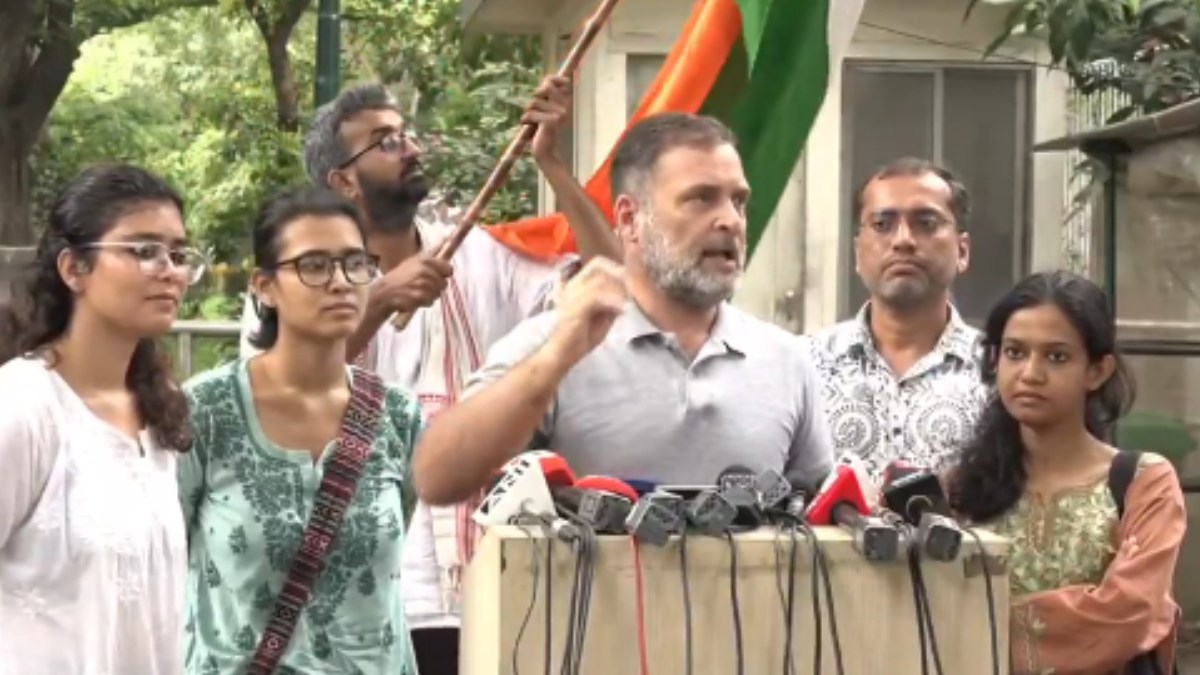
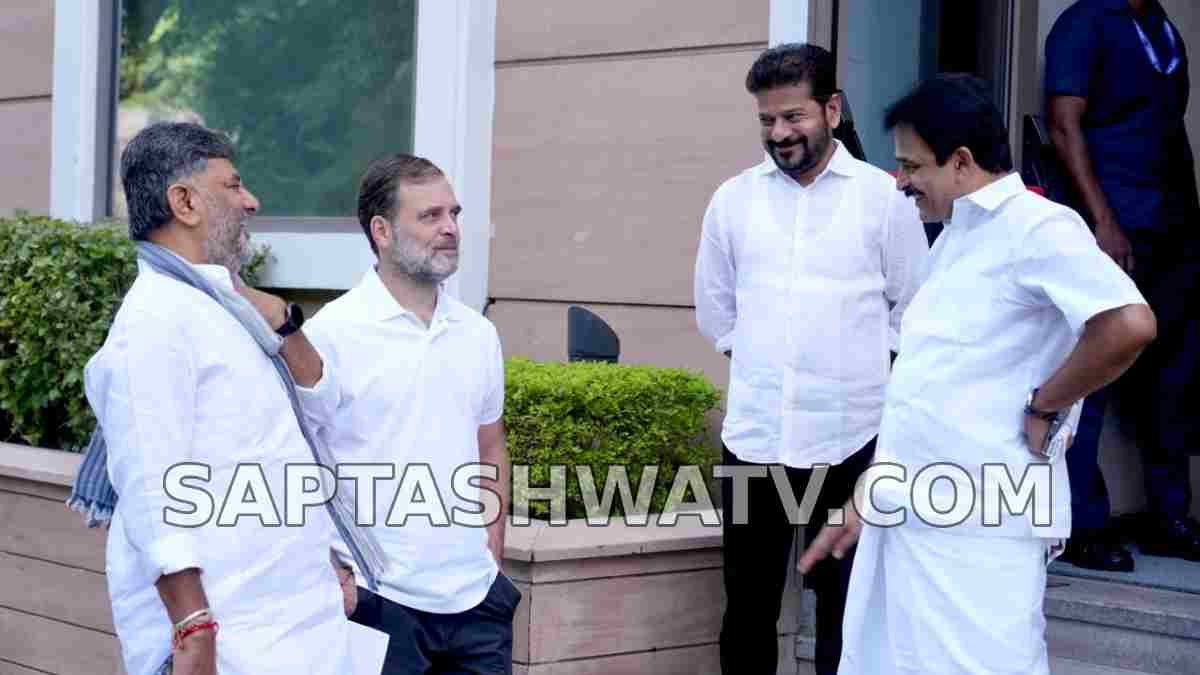
Rahul Gandhi has repeatedly used public platforms to talk about inequality, social hierarchies and what he refers to as entrenched power structures. His speeches frequently focus on the need for more representation and opportunities for young people, women and disadvantaged communities. The “smash the patriarchy” declaration in Pune was consistent with that broader political messaging.
For the Congress, gender equality is at the heart of its political narrative. It has been the party’s concern to raise issues around women’s participation in politics and economic opportunities, safety and representation, and so on. Gandhi’s speech was therefore placed in an ideological context of social change, rather than an individual political comment.
But the response from Poonawalla shows how statements on social issues can quickly become political flashpoints. He was not talking about gender equality and did not just talk about Gandhi’s past remarks, but about the conduct of Congress leaders. The criticism is a product of the larger strategy of political foes who are trying to compare public declarations with past controversies.
The dispute also underscores the growing importance of political statements at youth-oriented events. ‘Chhatro ki Goonj’ meetings are an opportunity to talk to students and younger voters who are increasingly important to political parties. Appeals to equality, employment, representation and social change are frequent in these talks.
And while Gandhi’s “smash the patriarchy” call was trying to upend traditional power structures, Poonawalla’s response has made the statement part of a larger political fight. His comments have added another layer to the debate; Gandhi’s message itself has shifted to questions of consistency and political accountability.
This is not going to end the debate about gender equality in Indian politics. In the next decade as parties prepare for their next political battle, the issues of women’s rights and social justice will remain in the public space. Gandhi’s words raise issues of political importance but the debate is very fast if rival parties interpret them through the prism of previous statements and controversies.
Gandhi and Poonawalla still have their two sides to the story and the political stakes are clear. Gandhi’s call to topple patriarchal structures has been met with skepticism by Poonawalla who has cited sexist past and old examples. This is the kind of clash that is more prevalent in our political life in the current discussions surrounding gender, equality and social change.






Comments
Leave a Comment