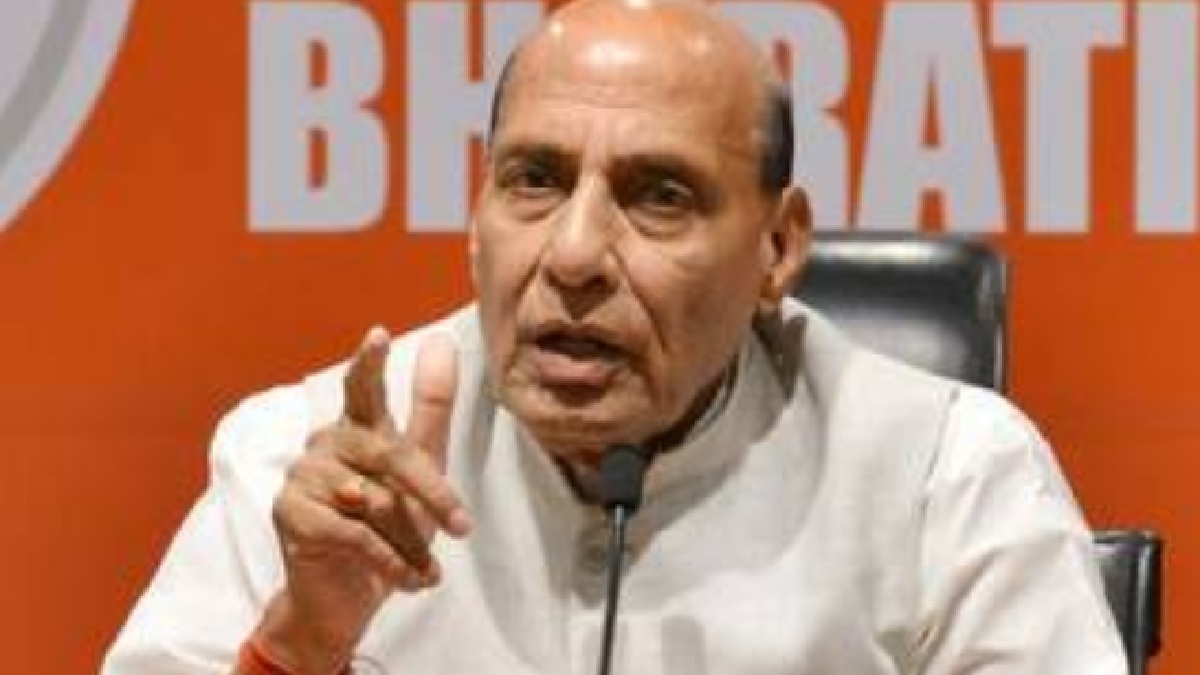
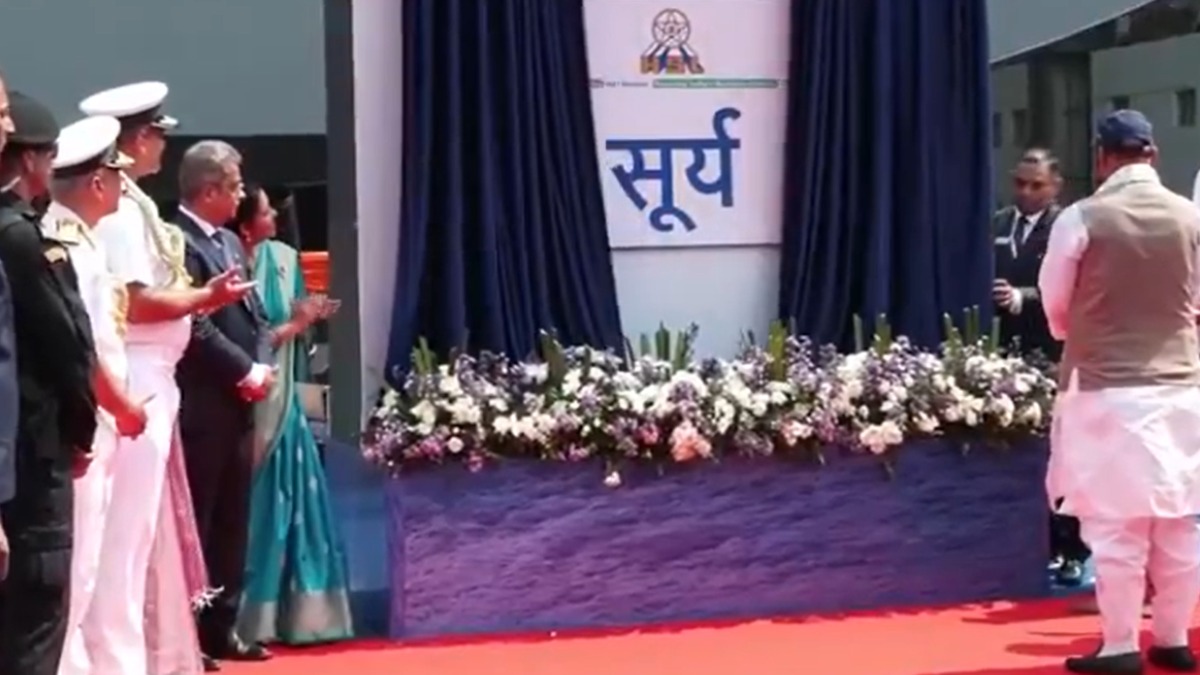
India’s Defence Minister Rajnath Singh, who spoke in cryptic, but firm, and pointed terms, about how to deal with hostile neighbours, has sparked a general conversation, and his address prompted discussion. His words here, “If a neighbour causes problems, dot, dot, dot …” have since begun to disseminate on the political and strategic levels, as a veiled warning.
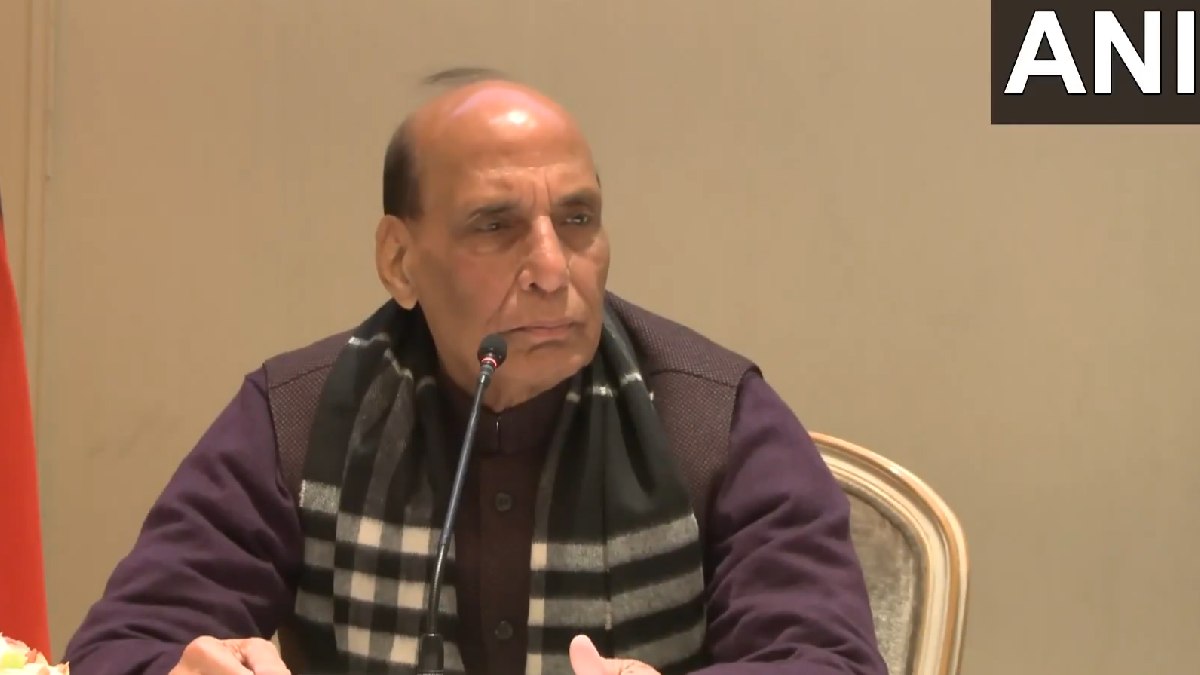
The announcement came as part of a speech at a gathering at which Singh conveyed that he respected India’s resolve for peace and stressed that the country was prepared to act effectively on its behalf. And although he left his final words open-ended, the general tenor remained clear: India would be intolerant of measures that jeopardise its sovereignty and security.
Message of Strength and Restraint
Rajnath Singh’s comment is emblematic of an Indian attitude that is deeply rooted not only in the country’s commitment to making peace with its neighbours but also in the indigeneity of its own interest. Since diplomatic diplomacy began as practised, the essential tools of conflict resolution for India have been dialogue and diplomacy. But the Defence Minister’s own words have made clear that patience does have its limits and constraints on national security, at least to some extent, particularly on national security.
The analysts considered the “dot, dot, dot” statement a matter of preference and not of instinct or strategy or at least one in which something will resonate without raising the stakes still more, they believed. It is both a diplomatic signal and a strategic reminder for this country that it had its place but was now unable to fulfil in a passive way any longer, or else not at all, now with the resources which it needs for confrontation or stepping forward.
Context of Regional Tensions
This comes at a time when India continues to manage intricate relationships in its neighbouring region. And on the other side of the border, other matters regarding border issues, border security, border worries, border disputes and global tension have often brought difficult relations with other countries. But some would say Singh did not specify which country it was; he may be targeting countries with which India has been embroiled in wars. The Defence Minister (and not he) managed to play delicately off the balance.
Strategic Significance
Experts attribute that statement to India’s push to be a regional power that is accountable and strong. India has increasingly bolstered its military and strategic partners for defence, armed forces and global access in recent years. Singh’s message also plays into the idea that a sign of strength but not provocation, novices don’t really want to listen to; it also gives people an assurance that the government is also careful and ready to take on any threats to national security.
Political and Public Response
The comment has elicited a mixed response. Supporters praised Singh for sending a powerful statement about what he did while preserving diplomatic decorum. The critics did note that clearer statements would, in fact, help spur speculation. Whether users are debating it or not, it’s controversial that the word “dot, dot, dot” should be deemed, if so, considered a “social media buzzword, not just a slogan” as opposed to a slogan. Many consider it a symbolic representation of India’s strategic equivocation, a strategy used to keep enemies scratching their heads.
The cryptic warning issued by Rajnath Singh may not linger long, but all the more so because the effects go far beyond the individual. It was something more than a vague statement, a message he made back without building an escalator. It was as good a subtle framing of diplomatic messaging that is hidden in an increasingly fraught geopolitical environment, an important dance between diplomacy and deterrence. It’s unclear if this message will lead to anything concrete, although it surely did strengthen India’s message that peace is desired, though provocation won’t come without recourse.