A video of a rat roaming comfortably around a tray of snacks at a Badlapur shop has gone viral on social media, leading to public concern over food hygiene and public health. The incident has resulted in demands by citizens and consumer rights activists for a thorough inspection of the place and stronger enforcement of food safety regulations. While the video and the circumstances of that incident are to be verified by authorities, the incident has reignited the debate on sanitation practices in restaurants and food joints.
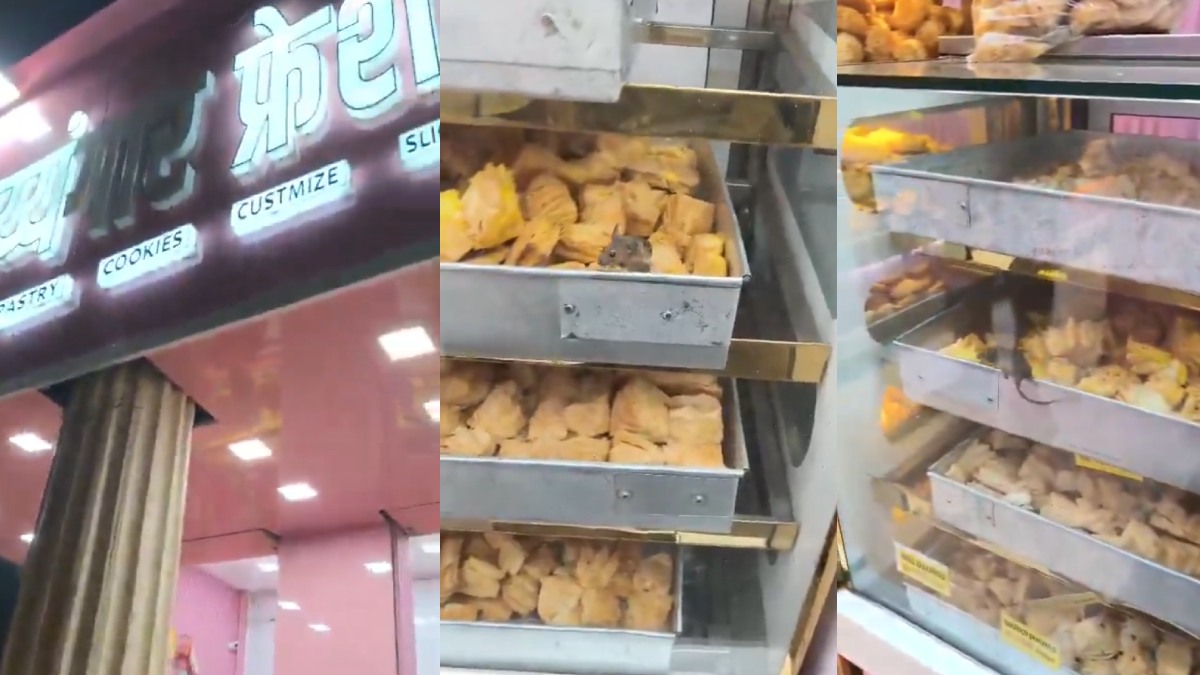
According to reports on the Internet, the incident took place at a snack shop in Badlapur and a customer observed a rat moving around inside a tray of ready-to-eat snacks, which had been stored somewhere in the store. The video, which has been shared across so many social media sites, appears to show the rodent walking over food items that were meant for sale. The video has already attracted thousands of views and comments with many users expressing shock and concern about the possible health risks associated with such unhygienic conditions.
Viral footage has once again pointed out the importance of hygiene standards in food businesses. Food sold to the public should be prepared, stored and displayed in a way that minimises the risk of contamination. Rodents in food preparation or storage areas can cause consumers to be infected with foodborne diseases, viruses, and other pathogens.
Health professionals say rodents are carriers of different diseases and can contaminate food through direct contact, droppings, urine and hair. Even if food appears unharmed by disease, contamination is still a threat. This is why food safety regulations require restaurants, snack shops, bakeries and other institutions to put pest control measures in place and clean the premises at all times.
As soon as the video was posted on social media, several social media users asked local civic authorities and food safety officials to check the establishment and verify hygiene compliance. At the time of reporting, officials were not publicly announcing whether any inspection had taken place, but such incidents typically prompt authorities to conduct investigations, collect evidence, and determine if any provisions of food safety laws have been violated.
Consumer rights groups also have stressed consumers’ right to expect safe and hygienic food from licensed establishments. They have urged people to report hygiene violations to local food safety departments so inspections and corrective action can be done where necessary.
Food safety regulations in India require food business operators to keep the premises sanitary, protect food from contamination and put pest control systems in place. Cleaning, waste disposal, covered food storage and regular inspections are considered essential practices for preventing rodent infestations. Violations of the prescribed standards may result in fines or other action by the relevant authorities, depending on the findings of an investigation.
Hygiene is particularly important for shops that sell ready-to-eat food because customers take them without further cooking and can potentially be bacteria-contaminated. The proper storage of them in covered containers, sanitisation of display counters and pest control are of necessity to ensure consumer safety.
Viral videos also bring attention to issues that otherwise go unnoticed and prompt quick responses from the government and encourage businesses to clean up their operations. But experts said in their opinion that the public should not make decisions based on viral content alone but wait for a more thorough investigation.
🚨 Badlapur: A shocking video from a reputed bakery has gone viral, showing a rat roaming inside a tray of freshly prepared khari in full view of customers. The footage, recorded by a young woman on her mobile phone, has sparked serious concerns over hygiene and food safety. pic.twitter.com/VN5BsItTX4
— Food Facts (@Food_Factsin) July 27, 2026
Public health experts say consumers need to be watchful when buying food and to see if food is clean or not, and report visible sanitation issues to the relevant authorities. Businesses need to regularly conduct internal hygiene inspections and train staff on food safety.
We must continue to ensure that food services have clean facilities, pest control and food handling is standard for all food businesses and to keep consumers safe. You would expect to get some clarity, if any, from an inspection of the situation at least in terms of what happened and how to prevent things from happening in the future.