Reliance has also filed a lawsuit against the Food Safety and Standards Authority of India (FSSAI) for prohibiting the marketing of Campa beverages (namely the use of “energy drinks”). The dispute has raised new questions about the legal rules and definitions for beverage classification, product labelling and marketing claims in India’s fast-growing drinks industry.
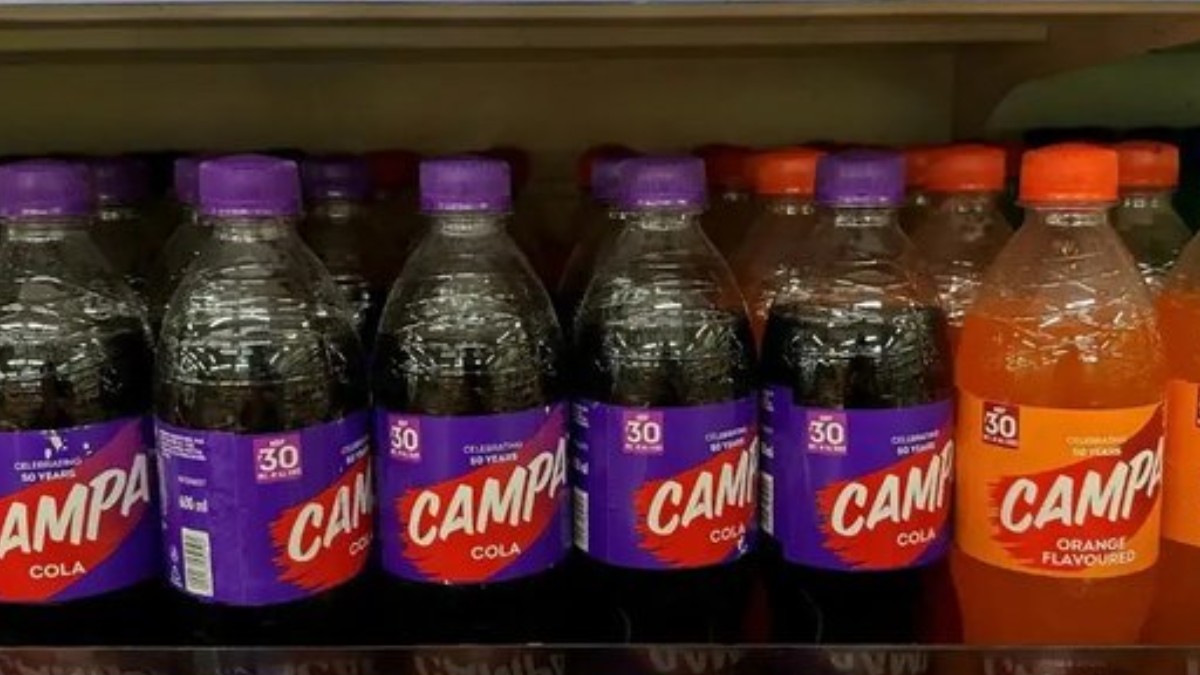
The issue, of course, is whether Campa products can be marketed under the “energy drink” term according to India’s food safety and regulatory framework. Reliance is aggressively expanding its presence in the consumer products and beverages sector and has challenged the regulatory position, the publication said. Campa and other beverage companies have faced legal challenges in areas where product descriptions and marketing terminology are regulated.
FSSAI is at the forefront of food and beverage standards in India. Its supervision includes product composition, safety standards, packaging, labelling and claims made to consumers. Beverage manufacturers are required to ensure that their products are compliant with the applicable standards and that marketing does not create misleading impressions of their products (e.g. the nature or character).
The classification of a beverage as an “energy drink” is particularly important because the category may be subject to specific regulatory requirements. Ingredients, nutritional composition, caffeine content and labelling requirements all can shape how a product is positioned in the market. And for the company, the labels on packaging and advertising also have major commercial significance as consumers often associate “energy drinks” with products designed to provide stimulation or boost alertness.
For Reliance, at this moment Campa is the central part of its consumer business strategy. Reliance acquired Campa brand rights and has since expanded its beverage portfolio in all categories. Reliance is looking to compete with established beverage players in the highly competitive soft-drink and non-alcoholic beverage industry in India.
The “energy drink” debate, therefore, has regulatory and commercial implications. A company that cannot sell a product in that category will likely have to change its packaging, advertising and distribution strategy and communications with consumers. Regulatory compliance is to prevent food and beverage companies from making statements that could confuse the consumer or that go beyond what is required.
The legal challenge could also draw attention from competitors and industry observers because India's beverage sector has been in the midst of intense competition in recent years. The big domestic and multinational companies are competing for market share in carbonated soft drinks, sports beverages, energy drinks, juices and other functional beverage categories. The increasing demand for energy/performance and wellness products has made classification a more important issue.
The case also highlights the importance of product labelling in India's food and beverage sector. Consumers often rely on terms displayed prominently on packaging to understand what a product is intended to offer. Regulatory bodies need to balance consumer protection and industry innovation and new product development.
The outcome of Reliance’s challenge against FSSAI could lead to how the Campa products will be positioned in the future. Based on the court's opinion and the subsequent regulatory decision, how similar beverages are defined and marketed may be impacted in India.
As things stand at present the situation is a legal and regulatory matter and the outcome will depend on the proceedings and decisions of the relevant authorities or the court. Reliance’s struggle underscores the increasing importance in India’s competitive packaged beverage industry of regulatory classifications, in which even a few words on a label can have a huge impact on branding, marketing and consumer perception.