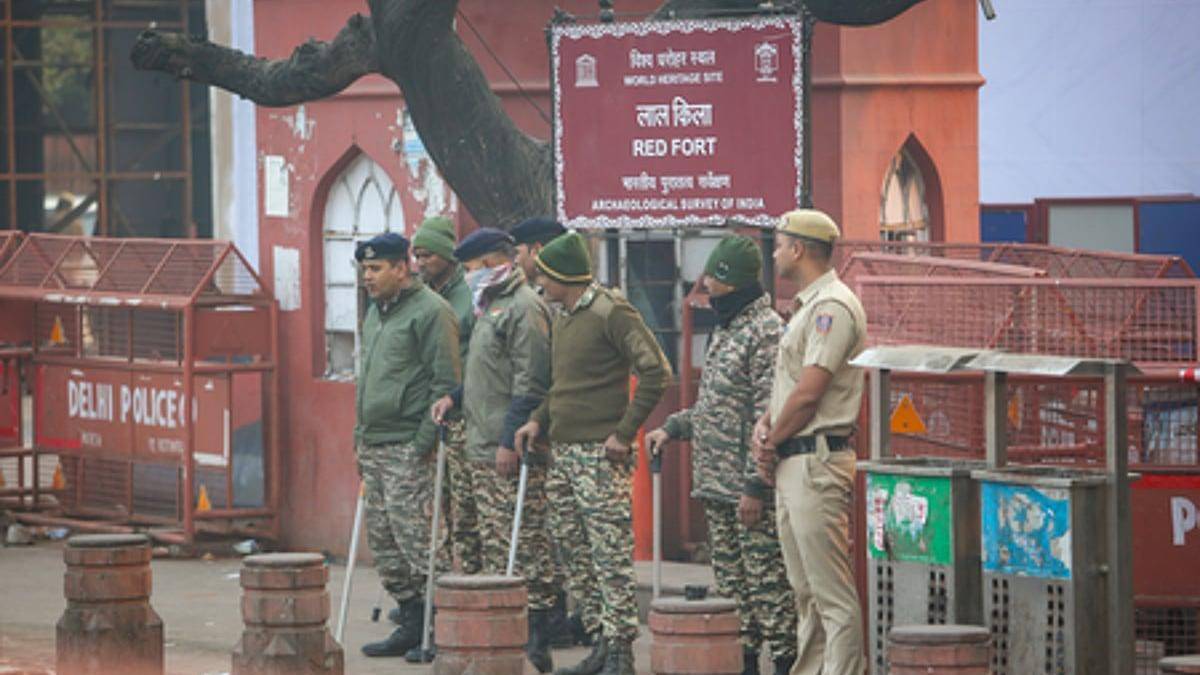
The detention of the youth leader Revanth Reddy has reignited debates on freedom of expression and the policing of political dissent in Andhra Pradesh.
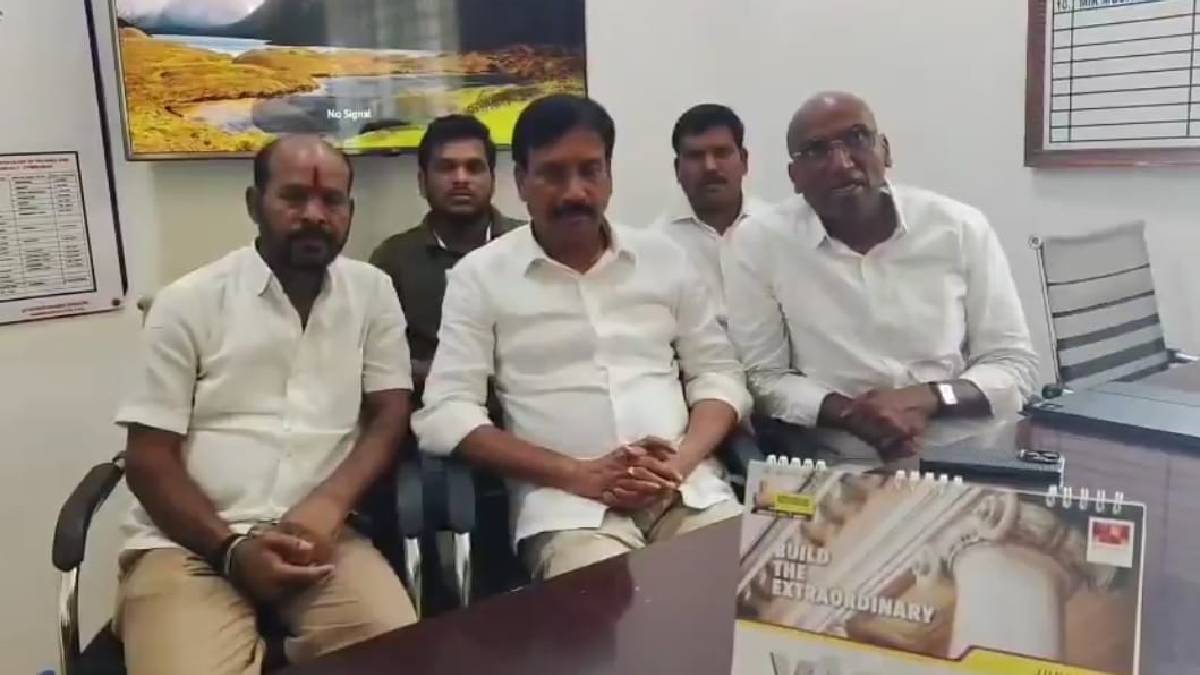
Opposition parties, civil rights groups and activists say the government is taking on dissent in a more confrontational way.
Revanth Reddy was arrested after protesting government policies and taking part in public protests. The police said they acted under existing law regarding disturbances to law and order and the activist argued that the action was politically motivated and was aimed at silencing dissent.
The arrest has caused widespread reaction in the state. Political organizations and student groups have decried the police action and argued that democratic rights are being undermined. Demonstrations were held in different districts and Revanth Reddy immediate release and more constitutional freedoms were guaranteed.

Civil liberties groups have also said they are concerned about an ever tightening police power to suppress criticism of the government.
They say peaceful protests and public criticism are fundamental rights protected under the Constitution and any restrictions should be within legal and constitutional limits.
Andhra Pradesh Police also defended their actions, saying that all procedures were carried out as per the law.
Prevention was necessary in order to avoid disruption and protect public safety and the police, they said, rejected any political interference, stating that law enforcement agencies act on the basis of intelligence and legal requirements.
The controversy has galvanized a wider political debate in Andhra Pradesh over the balance between maintaining public order and safeguarding democratic rights. Opposition leaders say the repeated police action against activists and political critics creates an atmosphere of fear and discourages public participation in democratic discourse.
Legal scholars say governments are the people’s lawyers who do not just have the authority to police the country but constitutional safeguards also protect citizens’ right to free speech, peaceful assembly and protest also need to be guaranteed.
This is why courts have always held that the fundamental rights of speech, peaceful assembly and protest are fundamental, they say, but have also accepted that there have always been some reasonable limits imposed on them that are justified under certain circumstances.
The issue has also gained traction on social media, where users are split by opinion. Some say the police acted within their legal authority and others say dissent should not be criminalized in a democratic society.
ABSOLUTELY SHOCKING!!!
— Revathi (@revathitweets) July 11, 2026
POCSO Accused Rajkumar was NEVER arrested by the police.
The victim’s family filed a case on 16th May, almost 55 days ago. They went back to follow up with the police. They told the police that he is threatening to kill them.
But - the police didn’t… pic.twitter.com/ImJANXCUqw
Hashtags associated with the government and Raavan have spread through the Internet and the public response is polarized online.
Political analysts believe that the incident could have long-term implications for Andhra Pradesh’s political landscape, particularly as public discourse increasingly focuses on civil liberties and governance.
The episode has once again brought home the delicate relationship between state power and democratic rights.
As the investigation continues and as legal proceedings move forward, Raavan’s arrest will surely remain a significant political issue that will have to be addressed in the future .