Andhra Pradesh is witnessing a surge in scrub typhus cases, a mite‑borne bacterial infection caused by Orientia tsutsugamushi. While health authorities insist the situation is under control, the recent death of a woman in Vizianagaram has renewed public concern. With over 1,300 confirmed cases across districts, the disease is being closely monitored by state health teams.

What Is Scrub Typhus?
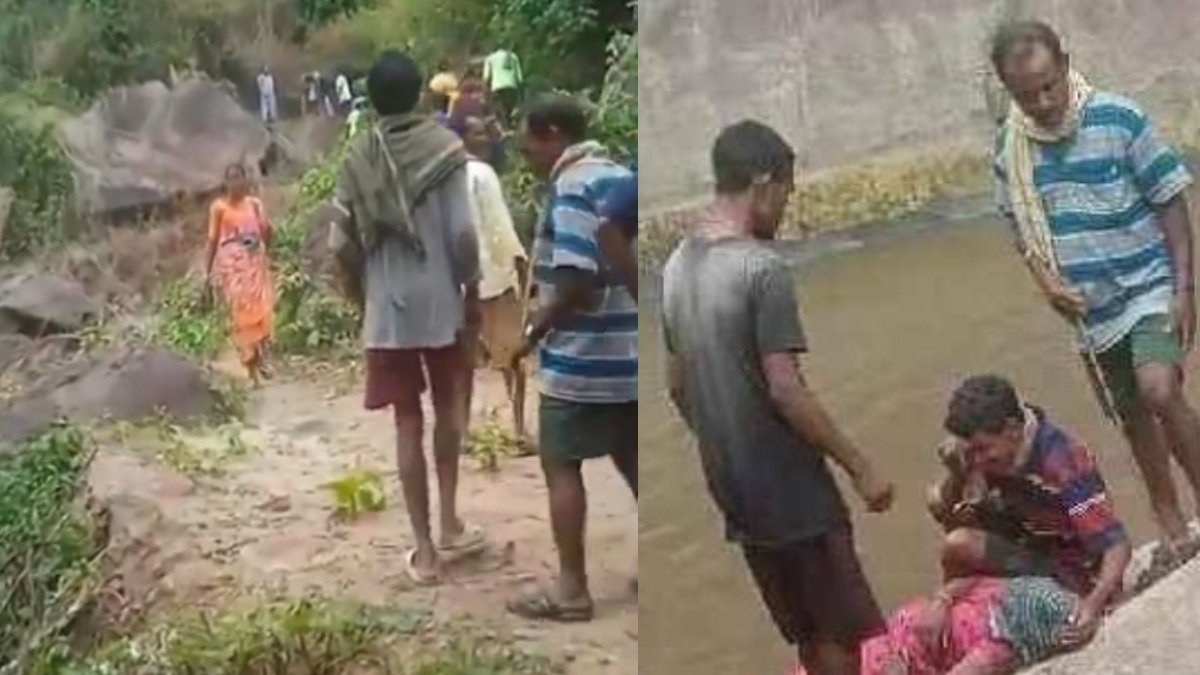
Scrub typhus is a seasonal infection that spreads through the bite of infected larval mites, commonly called chiggers. These mites thrive in dense vegetation, paddy fields, and bushes, making farmers, field workers, and children playing outdoors particularly vulnerable.
How It Spreads:
- Transmission: Through bites of infected chigger mites.
- High‑risk areas: Paddy fields, overgrown vegetation, waste‑ridden areas.
- Seasonality: Peaks during monsoon and post‑monsoon months.
Symptoms:
Scrub typhus often mimics other fevers like dengue or malaria, leading to misdiagnosis. Common symptoms include:
- High fever
- Severe body pain
- Headache
- Rash
- Eschar (black scab at bite site) – a key diagnostic sign
If untreated, the infection can lead to serious complications such as organ failure.
Current Situation in Andhra Pradesh:
- Cases reported: 1,346 positive cases out of 6,778 samples tested this year.
- District hotspots: Chittoor (384 cases), Kakinada (141), Visakhapatnam (123).
- Fatality: A suspected scrub typhus death in Vizianagaram has heightened awareness.
Prevention Tips:
Health experts recommend simple but effective measures:
- Avoid overgrown vegetation and bushy areas.
- Wear protective clothing when working in fields.
- Use insect repellents on exposed skin.
- Maintain hygiene and keep surroundings clean.
- Seek medical help early if fever persists beyond a few days.
Treatment:
Scrub typhus is treatable with antibiotics such as doxycycline, but early diagnosis is critical. Delayed treatment increases the risk of complications.
The rise in scrub typhus cases in Andhra Pradesh is a reminder of the importance of public health vigilance during seasonal outbreaks. While officials stress that there is no large‑scale epidemic, the infection remains a serious risk in rural areas. Awareness of symptoms, timely medical care, and preventive measures can save lives and reduce the spread of this mite‑borne disease.