Awards are meant to celebrate success, but sometimes they also highlight identity. Celebrity chef Sanjeev Kapoor’s Padma Shri story is trending again in 2026 because he recently revealed how he almost rejected the honour in 2017 unless he was allowed to wear his chef’s coat. His decision has become a symbol of pride for the culinary community and a reminder of the importance of professional identity.

Padma Shri is one of the highest civilian awards in India and Kapoor was very proud to receive it in 2017 and grateful to receive it. But he had a problem with the dress code for the ceremony at Rashtrapati Bhavan: traditional Indian. Kapoor was very concerned that his chef’s coat was his real self. The award was for him, he said, but for all chefs and they would wear the uniform in honor of their work.
Kapoor had worked in kitchens for decades, he said, and had developed his respect for cooking as a profession. To him, the chef’s coat was more than a coat of clothing: It was a badge of honor. He said if he had to refuse to wear his uniform, he would not accept the award.
His request was agreed to and Kapoor got the Padma Shri in his chef’s coat that day. In this moment it was a historic moment because it broke with tradition and showed the fact that there is no one thing like a chef’s coat. His act showed that chefs are entitled to the same respect as artists, athletes and leaders.
Kapoor told this story in his video series “Kahani Khazana” in April 2026, which revived public interest again and made it a story. People appreciate his doggedness to be who he is and the chef community takes it as validation of their profession. The story resonates now, when India is acknowledging contributions from other fields beyond the usual.
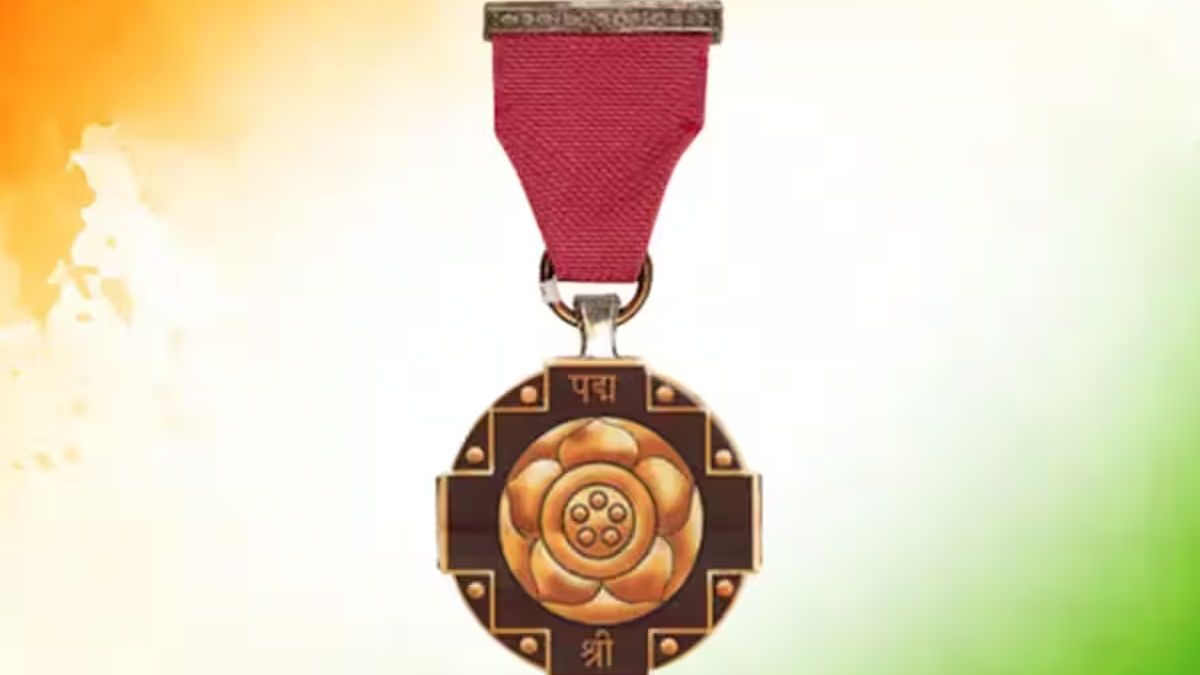
Sanjeev Kapoor’s Padma Shri journey is not just an award. It is about pride, identity and respect for a profession usually neglected. He elevated chefs in India by wearing his chef’s coat. And his story shows us that we can only find recognition when we know who we are and take pride in our work.