A viral video of popular YouTuber Saurav Joshi on water consumption, influencer culture and India as well as the ongoing drinking-water crisis has been the cause of a heated debate.
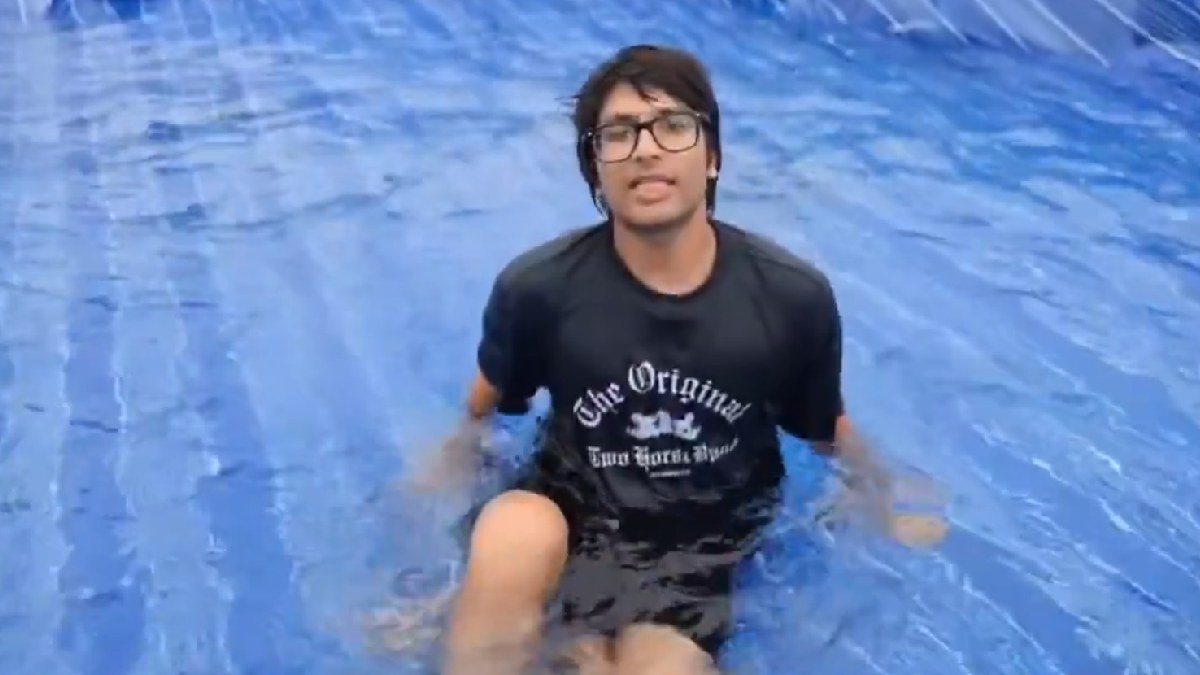
Joshi ordered a tanker with as much as 6,000 litres of clean water to carry to the vlog site. The water was then used to fill a plastic-lined pit where he and others bathed and played, it said. The video quickly drew flak from viewers who questioned whether the use of thousands of litres of clean water for entertainment at a time when parts of India are still water-starved was not a good idea.
And the criticism is also bringing up the larger question: when does content creation cross the line into irresponsible resource consumption?
For millions of Indians, accessing safe and reliable drinking water is still a daily challenge. The Jal Jeevan Mission has significantly improved rural tap water access with official data showing that around 81.71% of rural households were reported to have tap water supply as of March 3, 2026. But access to a tap connection does not automatically guarantee regular supply, adequate quantity or safe water quality.
India’s water problem is also tightly linked to groundwater depletion, irregular rainfall, urbanisation, pollution and poor local infrastructure. In some places, people still rely on tankers when there is widespread scarcity, and there are doubts about the long-term sustainability and stability of water supply projects.
That is why the Saurav Joshi video has hit such a nerve. Some say 6,000 litres of clean water for a viral stunt sends a particularly insensitive message in a country where families in water-stressed areas may struggle to secure water for basic household needs.
And yet YouTubers have defended him by saying he paid for the water and that the row is being overblown by the media. Joshi’s recent controversy with E20 petrol and his criticism of government policies could be to blame, some online users have also suggested.
There is no evidence that the criticism over the water video is part of a paid campaign to defame him. The claim is just an online speculation and shouldn’t be presented as a fact.
The E20 controversy itself took a new turn. Joshi later said the mileage problem in his Mercedes was not related to E20 fuel but an engine issue and Mercedes-Benz India said BS VI petrol vehicles are compatible with E20.
So this latest issue leads to two separate debates. The first is who the influencer is and why creators should address the social message for content with scarce resources. The second is that the public is poor at ensuring safe drinking water is available for all.
India has made huge progress in expanding tap-water connections but the challenge is far from over. The government itself says water supply is a shared responsibility involving the Centre, states and local authorities.
As for critics of Saurav Joshi, it is more than one tanker or one vlog. It is the difference between water being used for entertainment and that of communities in need of reliable and safe drinking water.
And for the influencer economy the question is becoming increasingly difficult to ignore: in the race for views, should everything be turned into content?