The Supreme Court has issued notice to the Central Govt on a big petition with respect to rights and legal protections of Muslim women.
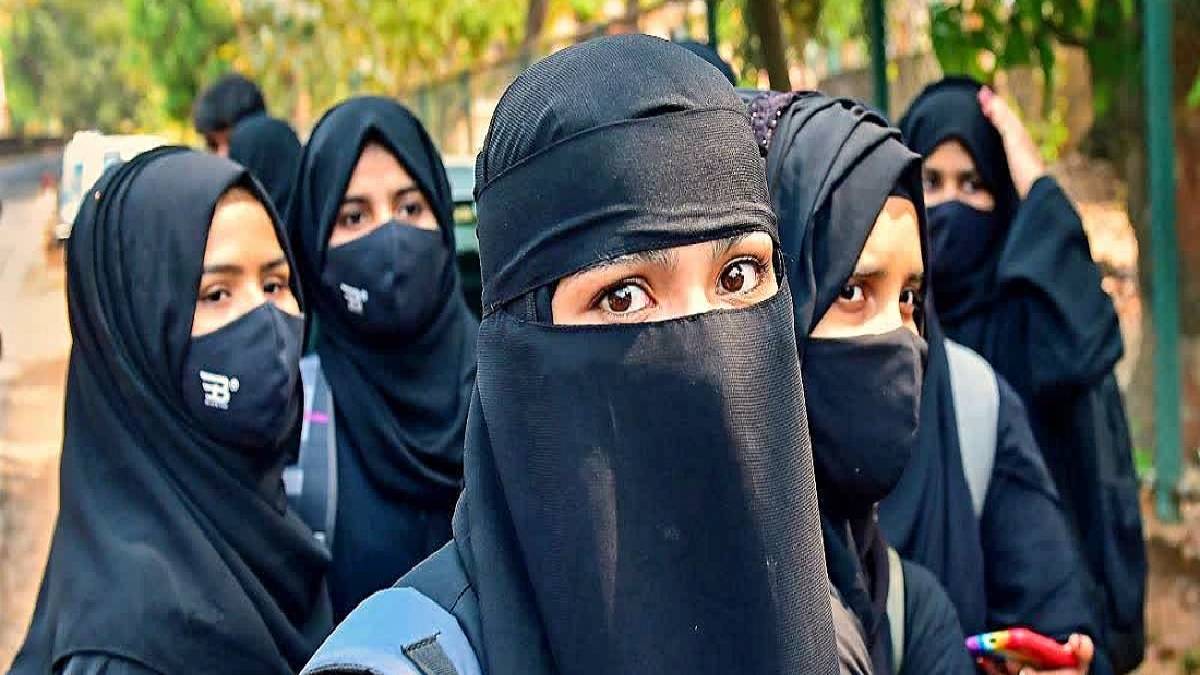
The petition asks for a “Modified Muslim Code” and challenges polygamy in the Muslim community. It has brought back the larger conversation of gender equality, personal laws and legal reforms in India for Muslim women.
By issuing notice, the Supreme Court has asked the Central government to submit its response to the issues raised in the petition. The court’s notice does not mean that the Court has accepted the petitioners’ request or come to a conclusion on the constitutional questions. It will be considered through legal proceedings after the responses of the concerned parties are laid before the Court.
The petition will have to be answered on how legal provisions are safeguarding Muslim women’s rights and whether reform is needed to make sure that there is equality, dignity and legal safeguards for Muslims.
And one of the main demands expressed in the petition is the implementation of a “Modified Muslim Code.” The exact nature and the parameters of the proposed code will be investigated in the legal aspects. The petition may also seek changes to aspects of Muslim personal law that the petitioner believes are discriminatory or inconsistent with constitutional principles.
The petition also seeks to criminalise polygamy in the Muslim community. A Muslim man can have more than one wife under Muslim personal law under some circumstances; it is theoretically legal. But it has been a subject of legal, social and constitutional debate since then, and women’s rights and equality have been at stake.
Planned polygamy has been a topic at least once before and has been a subject of public-interest litigation. Proponents of reforms have said that polygamy could affect women’s rights and dignity and therefore constitutional guarantees of equality and personal liberty should be considered.
Supporters of legal reform have argued that personal laws should evolve to ensure equal rights and stronger protections for women. They argue that religious or community-based personal laws should be consistent with constitutional values, in particular the principles of equality and non-discrimination.
On the other hand, questions concerning changes to personal laws also arise around religious freedom, legislative authority and the extent to which courts should intervene in matters governed by community-specific laws.
The Supreme Court has recently considered petitions on alleged discrimination against Muslim women under provisions of the Muslim Personal Law (Shariat) Application Act, 1937. In an inheritance case involving, for example, the Court asked the Centre for comment and questioned the legal framework if such provisions were struck down.
The latest petition is likely to add to the national conversation on gender justice, personal-law reform and whether a Uniform Civil Code is a constitutional necessity. It has long been politically and legally charged as it is in line with constitutional equality and the protection of religious and cultural traditions.
The Centre’s response might give some clarity on the government’s position on the “Modified Muslim Code” and the demand to criminalise polygamy. The government may also decide on whether or not the reforms should be conducted through Parliament and not through judicial directions.
Women’s rights organisations, legal experts, religious groups, and political parties will be watching closely. The case might result in a much wider debate over Muslim women’s rights and reforms as part of India’s constitution.
For now, the Supreme Court’s notice signals the start of a formal judicial examination of the petition. The Court has not yet decided on the merits of the demands, and changes to existing laws or personal-law provisions will be made through future legal action and, where necessary, legislative action.