Cigarette prices have soared, and smokers, shopkeepers and even investors are discussing the consequences. New tax: The government had just implemented new taxes on cigarettes, with a view to reducing smoking and increasing income. Public health experts applaud the move, but many retailers and consumers are worried about affordability, and the dangers of illegal sales. This article details why the price rose, what its exact prices have changed, and the general impact on business and society.
Why Have Cigarette Prices Gone Up?
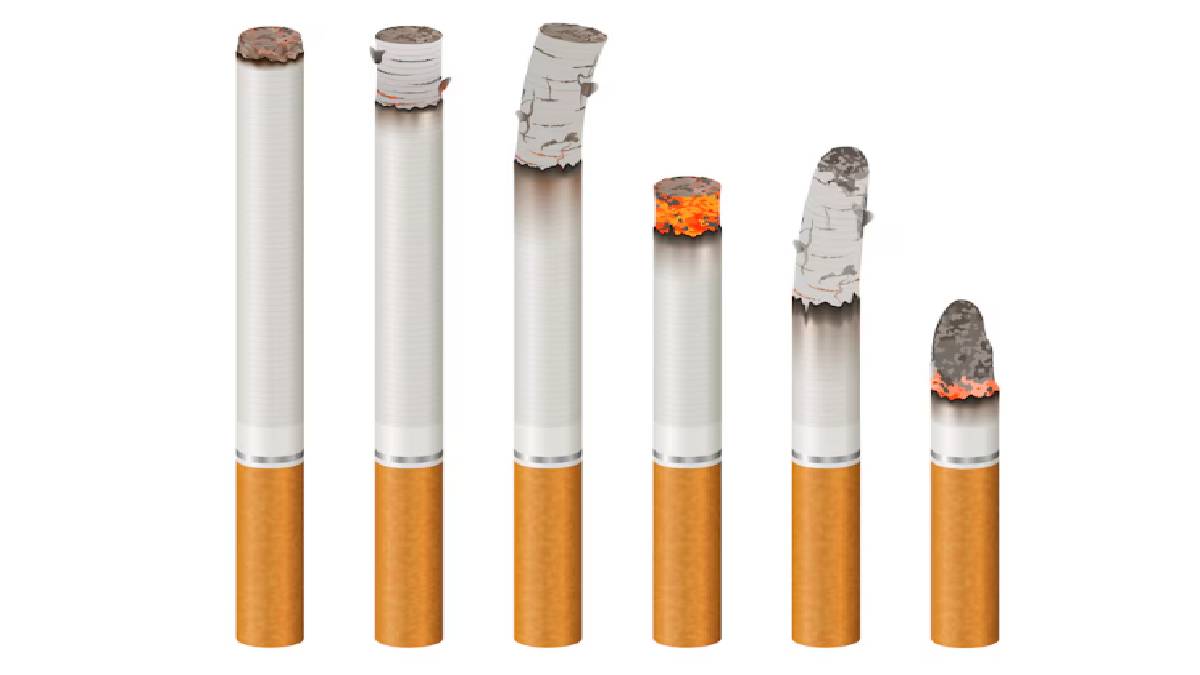
The primary cause of the spike in cigarette prices is the Health and National Security Cess unveiled in the Union Budget 2026. This cess, along with other excise duty and Goods and Services Tax (GST), has added more expense to tobacco. The government says it is critical for two reasons. That means not only raising the cost of cigarettes but also making them less accessible and more expensive to consumers who already pay.
First, it is a public health measure. The high cost discourages many people, and especially young smokers, from purchasing cigarettes. This is in accordance with global health standards prescribed by the World Health Organization. Second, it’s more lucrative. Tobacco is a significant source of tax revenue and increases in the tax of tobacco and taxing it to pay more money is also required to cover health and national security projects.
How Much Have Prices Changed?
The increase is huge across every category of cigarettes. Ten sticks in standard packs — 76 mm long — were priced from ₹25–₹30, a cut, then it was ₹50–₹55. Iconic brands like Gold Flake Lights and Wills Classic, available in 84 mm packs of 10 sticks, have surged from ₹170 to ₹220–₹225. Slim cigarettes like Classic Connect, which measure 97 mm long and are available in packs of 20, have increased from ₹300 to ₹350.
Retailers are already imposing 40 percent GST on the old stock at different prices. New stock with revised Maximum Retail Prices (MRPs) is anticipated to arrive in shops by end of February 2026.
Impact on Consumers
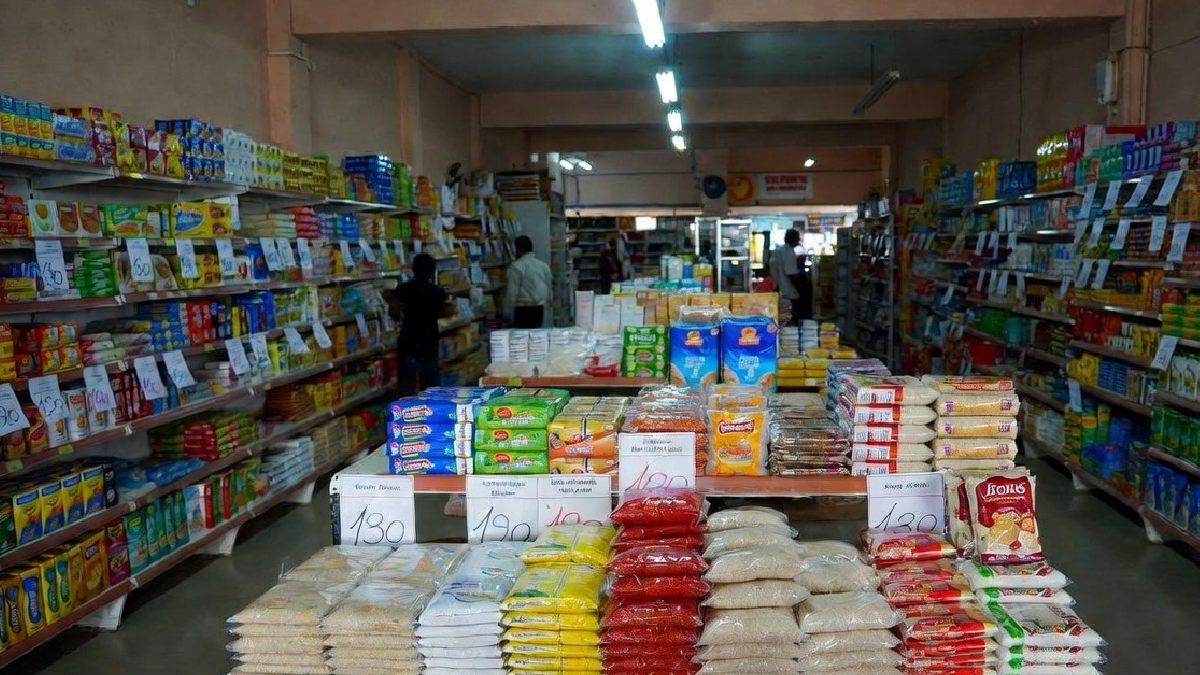
The abrupt increase in prices is a shock to smokers. Many of those earning a normal wage and middle-class consumers may struggle to afford their usual brands. Some may switch to purchase cheap products and some may decrease consumption. That is a good thing, according to public health officials, because higher prices generally result in fewer smokers, which means fewer people will smoke.
But there’s also the worry that smokers would instead seek illegal or illegally smuggled cigarettes, which are often provided at lower prices but without a proper process to verify quality. This could also raise new health risks and affect government revenues.
Impact on Retailers
Retail shop owners are concerned about losing customers. Cigarettes are a fast-moving product that provides regular income for small shops. It happens and with prices doubling in some cases, shopkeepers fear that sales will shrink. They are also concerned about counterfeit goods being introduced into the market, which could harm both customers and bona fide businesses.
Impact on Tobacco Companies
Investors watch the likes of ITC and Godfrey Phillips. A significant increase in prices could lessen demand and dent their profits. These kinds of companies have experience with tax changes and could modify their strategies by advancing premium products or concentrating on exports.
Public Health Perspective
Health experts are backing the government’s decision in strong terms. Cigarette smoking is associated with all sorts of serious illnesses such as cancer, heart disease, and lung damage. The Government aims to reduce India’s smokers by making cigarettes more expensive. Thus, helping to save thousands of lives in the long run will also lighten the load on the healthcare sector.
Cigarette prices have risen in India beyond a financial issue. It is the government’s attempt to align with public health and revenue priorities. Smokers and retailers will feel the immediate pain, sure but in the long run we want to dissuade people from using tobacco, to stop them from consuming and to warn them more about it. The next few months will be a test to see whether more than one increase to its price diminishes smoking or just pushes demand down illicit markets.