A tragic incident took place at Shivamogga’s Sakrebailu Elephant Camp and elephant habitat in the Malnad region of Karnataka. A serious injury to his leg had put Shaurya in a bad shape, and he died there. He was sick for a couple of days, and his condition was still bad even after treatment at the camp.
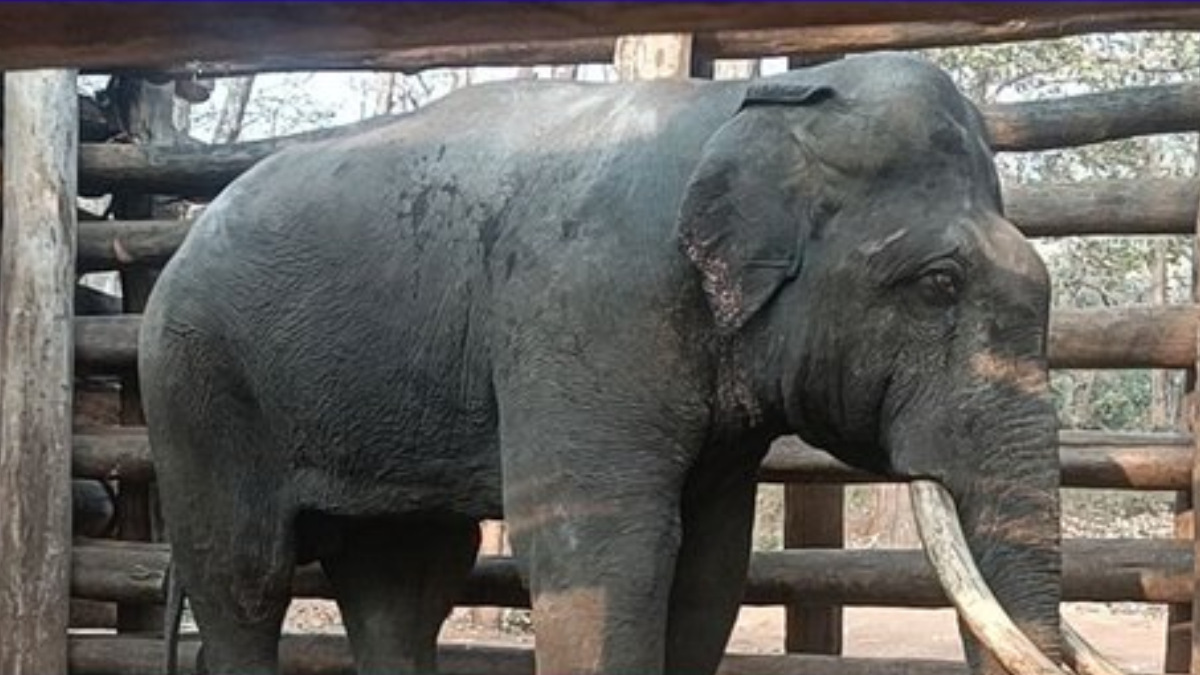
According to camp documents, Shaurya had a serious wound on one of his legs. The injury did not heal and caused the animal great pain. Forest department staff and staff at the elephant camp had tried to help, but the elephant did not respond properly and died.
Shaurya’s condition had gotten very bad in the last days before he died, it was reported. Injuries to an elephant’s legs can be particularly serious given the big body size and the huge weight on the animal’s limbs. A long-term wound can adversely affect mobility, food supply and overall health, so immediate veterinary intervention is very important.
After the death, senior forest department officials rushed to the Sakrebailu camp and examined the situation. Senior officials have taken charge of the post-mortem examination of the elephant in front of some officials. This will help to determine the animal's health condition and the specific medical cause of death.
The death has also raised some questions about whether the elephant camp has veterinary care as a specialist facility. There are some suggestions that the delay in getting Shaurya to see veterinary doctors with specialist care might have had a role in his deterioration. These are not yet proven independently, and the official findings from the post-mortem examination will help to determine the cause of death.

The Sakrebailu Elephant Camp is well known for housing and caring for elephants and has been a key player in wildlife conservation and elephant management in the region for years. It has also attracted tourists who frequently visit Shivamogga to observe elephants and get a feel for their care. Thus, the death of Shaurya has provoked concerns from wildlife lovers and local citizens who pay close attention to the camp.
Most of the time, in such instances, the health condition of the captive and rehabilitated elephants has frequently drawn public interest, especially in cases of severe injury or chronic illness. Veterinary supervision, wound management, nutrition, mobility support and regular health monitoring are all essential to the rehabilitation of injured elephants.
So Shaurya’s severe leg wound remained an issue after treatment, despite treatment. Medical records, treatment at the camp and the condition of the injury are expected to be examined in the assessment, they said. Based on the post-mortem findings, officials might also come to know if an underlying infection or complications from the injury or another medical condition had contributed to the elephant’s death.
The forest department will still face questions on treatment and veterinary care at the facility following the incident. If there are any gaps in the investigation, authorities might have to consider whether specialist support or the camp's emergency veterinary service is required.
But the cause of Shaurya’s death is still under examination, and the post-mortem report is still being prepared. Details will be released when the examination and related procedures are completed, officials said. The death is a tragedy for the Sakrebailu camp and one that has brought to light the need for timely and specific medical care for elephants in human care.