India’s education system is vast, with over 10.13 lakh government schools operating in 2024–25. On paper, this network looks impressive, promising access to education across every corner of the country. However, the ground reality paints a very different picture, exposing inefficiencies and raising questions about how effectively these schools are serving their communities.
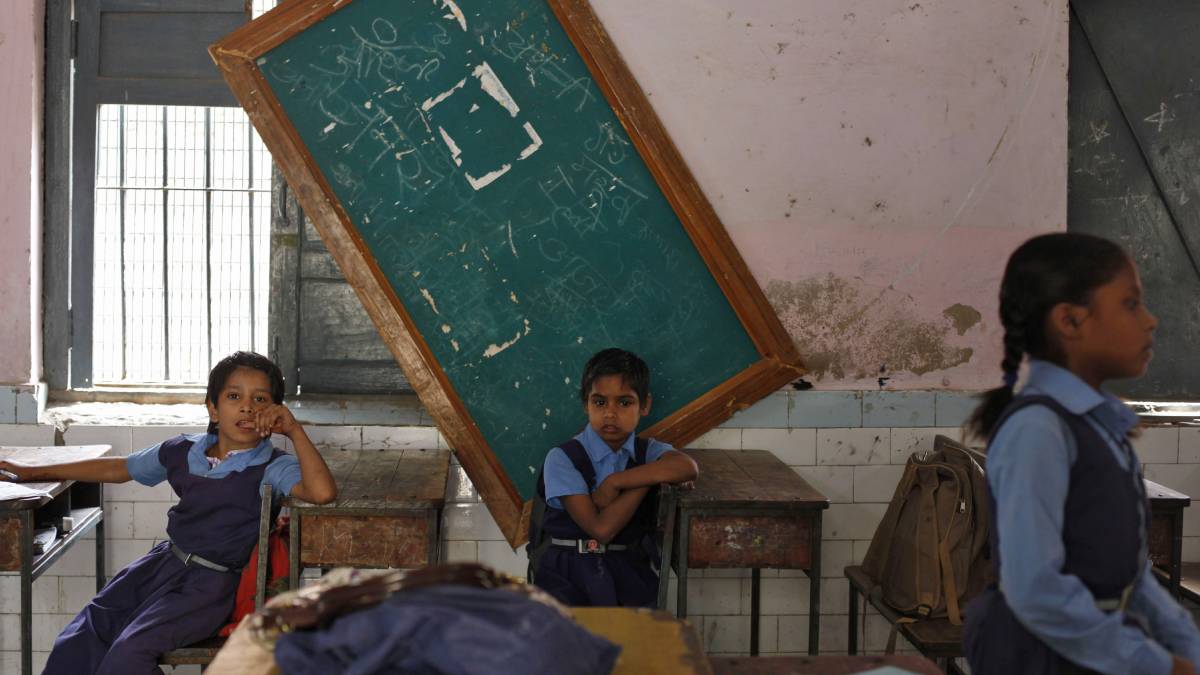
Recent government data reveals that 5,149 schools have zero students enrolled, while another 65,054 schools function with fewer than 10 students. These figures highlight a troubling mismatch between infrastructure and actual utilization. Schools without students still require staff, maintenance, and funding, which results in wasted resources and undermines the purpose of public education.
The problem is particularly acute in states like West Bengal and Telangana, which report the highest number of zero‑student schools. This situation reflects deeper issues such as migration, declining birth rates in certain regions, and the growing preference among parents for private institutions. As a result, government schools are losing relevance, especially in urban and semi‑urban areas where alternatives are easily available.
Experts argue that India must urgently restructure its school system. Consolidating underutilized schools, improving teacher accountability, and investing in quality infrastructure are essential steps. More importantly, restoring public trust in government education is critical. Without bold reforms, thousands of schools will continue to exist only on paper, while the promise of universal education remains unfulfilled.