The Leiden Plates probably have one of the most important historical records of the Chola dynasty, the Anaimangalam Chola Copper Plates of the 11th century. They list land grants to a Buddhist monastery in Nagapattinam, the maritime trading connectivity with Southeast Asia, and the pluralistic nature of medieval South India’s cultures.
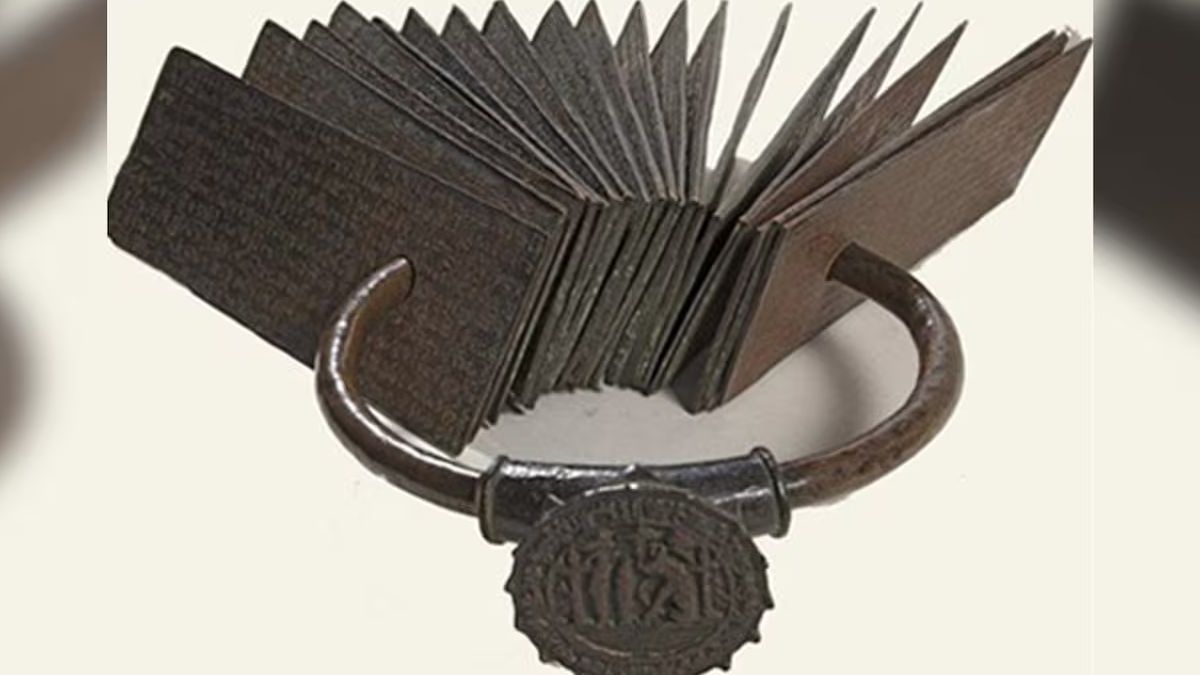
Background The Anaimangalam Copper Plates date to the reign of Rajaraja Chola I (985–1014 CE), and were later permanently inscribed by Rajendra Chola I, son of Rajaraja Chola I. They consist of 21 large and 3 smaller copper sheets weighing almost 30 kilograms, encased in a copper ring with the royal Chola seal. Originally kept at Leiden University in the Netherlands for more than 300 years, they returned to India in May 2026 after many years of diplomatic work.
The Importance of Copper Plates
Religious Patronage: The plates indicate grants of land revenue to the Chudamani Vihara, a Buddhist monastery in Nagapattinam built by the Srivijaya king of modern-day Indonesia. That points to the extent to which Hindu rulers maintained Buddhist institutions, even though they bore different spiritual traits, and hints at a blended religion between the two great powers.
Maritime Trade Links: It denotes the cosmopolitan relationships that the Chola enjoyed through maritime trade with Southeast Asia and is for the first time, indicating how much an individual could trade as well as exchange trade and culture across the Indian Ocean.
Genealogical Records: The Sanskrit inscriptions show how the people came to be seen as a line of kings and appeal to divine inspiration. The Tamil section explains how grants were distributed.
Diplomatic Relations: The plates tell much about the Chola empire and the nature of Chola power as a source of strength to connect the South Indian subcontinent with Southeast Asia on one hand and a global hub on the other. These texts can be viewed in terms of trade. Historical Importance
Cultural Heritage: The plates are considered the best-known examples of Chola administration, trade at sea, and religious variety. Archaeological Value: As enormous as all of these inscriptions are, and without their obliteration, they are likely the best-known inscriptions from the Chola period, outside the Indian Peninsula.
History of Colonization: It becomes ever more crucial to return them due to the fact that they were transported to Europe by Dutch colonizers and they eventually came back to India.
Legacy: To the Chola Golden Age, a time of temple construction, naval voyages, and patronizing of Tamil literature.
We'll hear, for the first time, about the Anaimangalam Copper Plates (known as the Leiden Plates), which represent something quite extraordinary: not mere documents, but a living monument to Chola dynasty globalism, religious tolerance, and naval power. Back to India, they return with a significant piece of Tamil heritage, and they also build on the story of medieval cultural and trade relationships between countries that run through India.