Social media influencers hold significant sway over public opinion. With large numbers of followers, their words and actions can shape debates on religion, diet, food habits, and even community identity. This influence comes with accountability and responsibility, especially in diverse societies where sensitivities run deep.
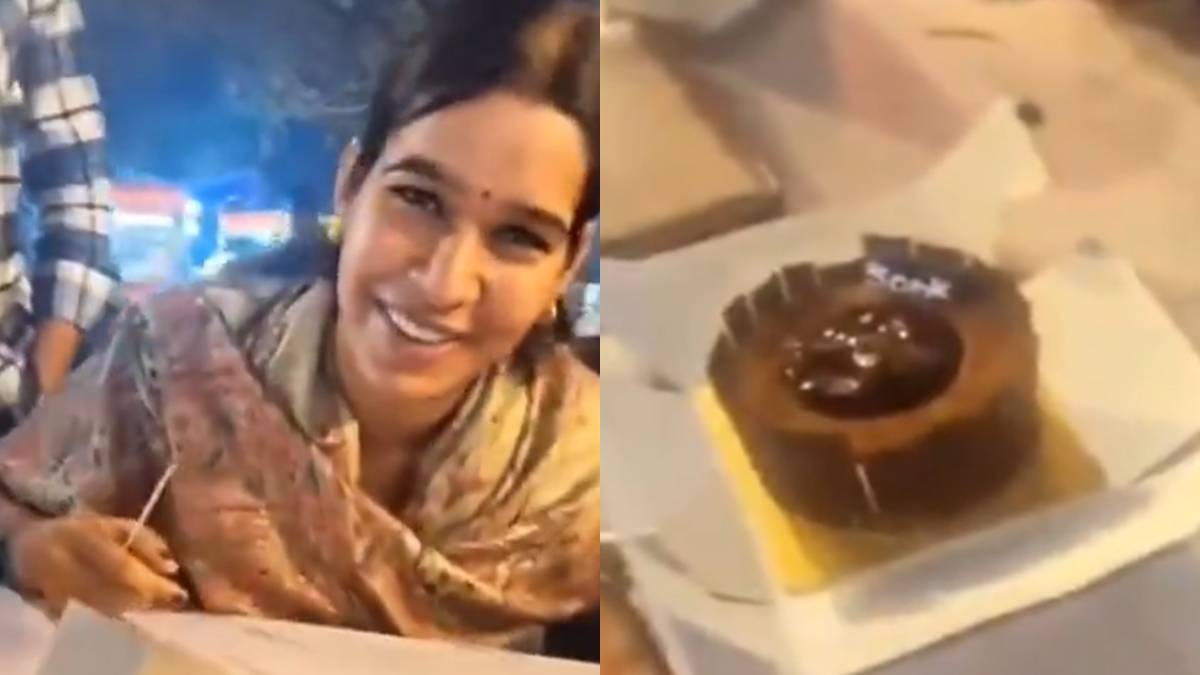
Recently, the social media account of Riddhima Sharma, known online as Honda Sherni, has taken center stage. She remains a highly controversial figure, with many concerned about the disconnect between her online posts and real-life actions.
Several users have accused Sharma of using abusive language and hate speech against Muslims. Screenshots and clips shared online suggest her content includes derogatory remarks directed at a specific community’s religion. Critics argue that such words can fuel hate and widen social divides in an already sensitive environment. While some claims may be exaggerated, they have sparked serious discussions about accountability and the limits of free speech online.
This is Riddhima Sharma
— Nehr_who? (@Nher_who) February 8, 2026
- She abuses & gives hate speech against Muslims
- She asks everyone to follow Sanatan dharm & protest against Non Veg
- Yesterday she was sitting in Tunday Kebab restuarant to celebrate her 500k followers
This is the real face of Online Honda Sherni pic.twitter.com/NirJcvuFHA
Another criticism relates to her repeated calls for strict adherence to Sanatan Dharma. She has reportedly encouraged protests against non-vegetarian food and harshly criticized those who consume or support it. While promoting one’s faith is a personal right, many believe shaming others for their food choices crosses a line. In India’s diverse society, eating habits vary widely across cultures and religions, making such rigid advocacy problematic.
The debate intensified after reports that Sharma celebrated reaching 500,000 followers at Tunday Kebab, a popular non-vegetarian restaurant. This sparked accusations of hypocrisy. Critics questioned how someone who openly disapproves of non-vegetarian eating and incites protests against it could choose such a venue for celebration. Posts and images from the event circulated widely, fueling the controversy further.
Reactions have been mixed. Supporters argue she is being unfairly targeted, while detractors claim the episode exposes a gap between her online preaching and real-life behavior. The incident highlights a broader issue: influencers must remain consistent and conscious of the messages they spread.
Social media fame carries responsibility. Words and actions matter, and consistency is crucial. Public figures should avoid spreading hate or confusion, especially in a diverse society like India. The case of Riddhima Sharma underscores the importance of accountability and the need for influencers to “walk the talk.”